
 Jewish Breaking News
Outrage After Ohio Officials Urge “Snitching” on Private Home Minyan, Years Later Agudah Takes Case to Supreme Court
Agudath Israel of America has filed a brief urging the U.S. Supreme Court to safeguard the right of Americans to hold religious gatherings inside their own homes.
The case involves an old dispute in Ohio, where local officials ordered a resident to stop hosting a limited minyan in his home, which started a legal battle over the limits of zoning laws and religious liberty.
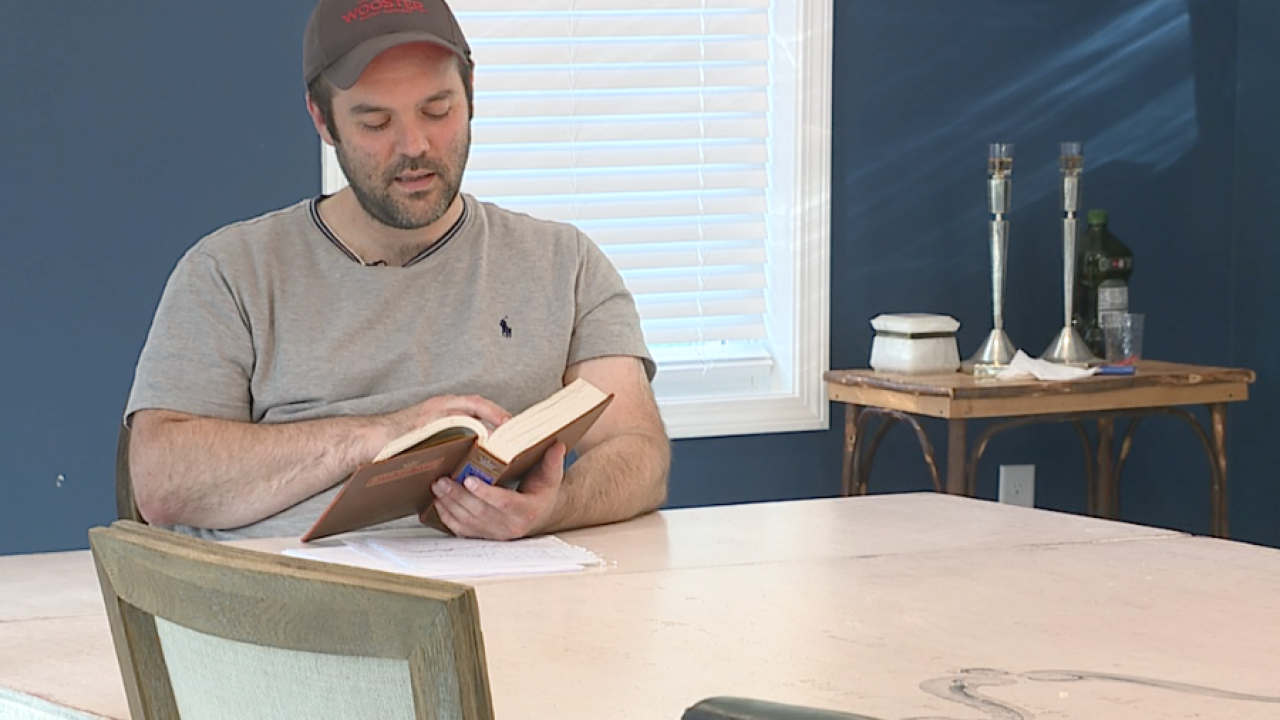
Daniel Grand, a homeowner who regularly hosted small minyanim in his house. What began as a quiet minyan among friends quickly escalated into a full blown legal battle after local officials claimed the gatherings violated zoning regulations. City authorities argued that Grand’s home was effectively functioning as a place of public assembly rather than a private residence, despite the gatherings being relatively small and consistent with normal religious practice.

But the story took a more troubling turn when Daniel alleged that the city’s mayor and local officials actively sought to build a case against him by encouraging enforcement efforts and closely monitoring his activities. Grand and others familiar with the story reported that complaints were not organic but that individuals were encouraged to report on the gatherings, creating a “snitching environment” aimed at documenting supposed violations. Inspectors and officials reportedly tracked attendance, frequency, and activity at the home in an effort to justify enforcement action.

Grand pushed back, arguing that his gatherings were modest, private, and an essential part of his religious life. He explains there were no minyanim within walking distance on Shabbos and that being forced to stop hosting prayers in his own home was a direct violation of his constitutional rights and a dangerous precedent for religious Americans nationwide.
In its filing, Agudah echoed those concerns, warning that allowing such enforcement tactics would strike at the very core of the First Amendment, and that religious practice in the home is among the most fundamental and protected forms of worship.

“The City’s order to cease and desist a small prayer gathering in a private home is a direct intrusion on religious exercise,” the Agudah wrote, warning that allowing such enforcement would set a dangerous precedent.
The case also raises questions under the Religious Land Use and Institutionalized Persons Act (RLUIPA), a federal law designed to prevent governments from imposing burdens on religious exercise through zoning and land-use regulations.

Agudah repeated that for many faith communities, including Jews, home based gatherings are not optional, but an essential part of religious life. Legal experts say the Supreme Court’s decision on whether to take the case could have heavy consequences, shaping how far local governments can go in regulating religious activity within private residences.