
 Jewish Breaking News
Safe Rooms Send Israel’s Rental Market Soaring, Pricing Out Older Small Apartments Without Protection
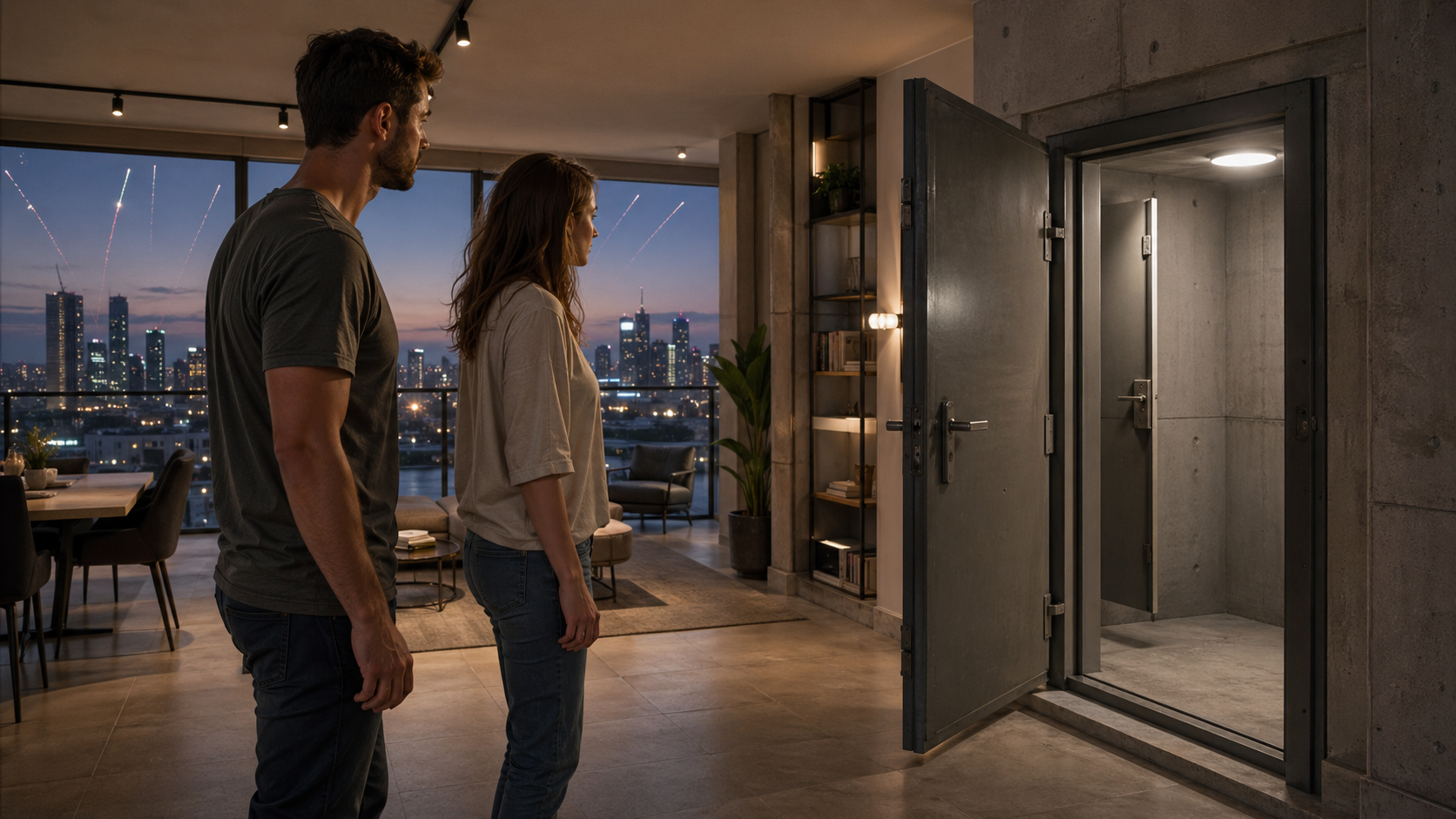
Israel’s rental market has a new power feature, and it is not a balcony, parking spot or sea view. It is the mamad, the reinforced residential safe room that has moved from “nice to have” to first-question status for many renters. New WeCheck data shows the average monthly rent in Israel has crossed NIS 5,000, reaching NIS 5,041 after a 2.1% monthly jump. The sharpest pressure is in smaller apartments, where renters have fewer options and older buildings often lack private protection.

The numbers tell a blunt story. Small apartments of 1–3 rooms rose 3.1% to an average of NIS 4,341 a month, while larger 4–5 room apartments rose only 0.9% to NIS 6,363. Inside the small-apartment category, the security premium is even clearer as units with a mamad jumped 4.9% in a single month, compared with 2.6% for similar apartments without one. Over the past year, rents for apartments with a mamad rose 5.7%, versus 4.3% for those without protected space. WeCheck CEO Rami Ronen called it “a deep shift” in renter behavior that is not expected to disappear quickly.
This is not just another real estate cycle. It is wartime risk being priced into daily life. Iran and Hezbollah’s missile threat has changed what Israelis consider a livable home. A room that once doubled as storage, a child’s room or a home office is now treated as basic infrastructure. Larger and newer apartments are more likely to include a mamad; smaller, older units are not. That is why the supposedly “affordable” end of the market is now absorbing the sharpest shock.

The broader housing picture makes the split even more striking. Home prices have been cooling, with Israel’s housing price index down 0.1% in the latest measured period and down 1.7% year over year, while new apartments fell 3.9% over the year. But rents keep climbing, especially when tenants move, CBS-linked figures show rents rose 2.2% for renewed contracts and 5.9% where a tenant was replaced. In plain terms, buying has slowed, but renting has become more expensive precisely when families and young couples are being pushed into it.
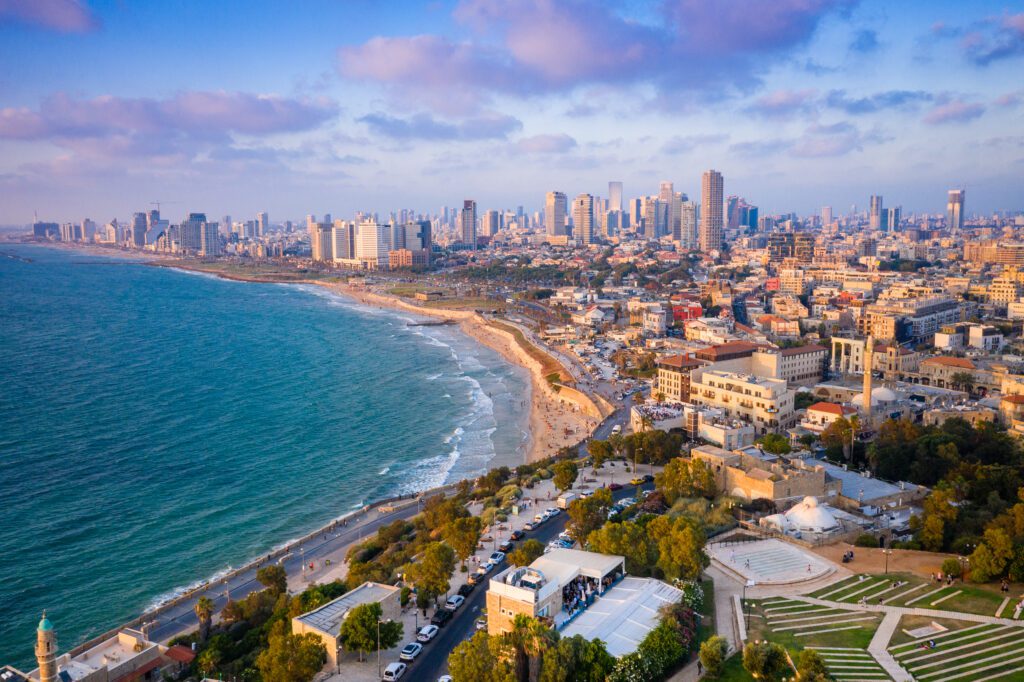
Short-term rentals show the same pressure in sharper formSafe-room sublets in Tel Aviv surged as missile alerts drove demand, with one resident describing weekly prices that climbed from about NIS 5,000 to NIS 8,500. The Madlan platform also reported a roughly 133% increase in searches for properties with safe rooms during the current security crisis.

The result is a two-tier rental system, protected homes that move fast and command premiums, and older unprotected apartments that still find tenants because supply is tight but increasingly feel inferior. The state has tried to speed up mamad construction in some cases; a fast-track route allows eligible low-rise homes and ground-connected units to add a mamad without a full building permit, with approvals potentially issued within 14 days. But that does not solve the hardest problem, dense older urban buildings where adding protected space is expensive, slow or structurally complicated.
The market is now sending a clear message. For renters, security has become part of affordability. For landlords, a mamad is no longer just a selling point and is now is pricing power. For policymakers, the data exposes a housing-security gap that will not close by itself. If the current threat environment continues, the premium for protected apartments is likely to remain strong into the next rental cycle. If tensions ease, the premium may narrow, but it is unlikely to vanish. Israeli renters have learned the question that now shapes the deal before almost anything else, does the apartment have a mamad?