
 Jewish Breaking News
Iranian General Warns War With U.S. “Likely” After Trump Rejects Tehran Proposal to Reopen Hormuz While Delaying Nuclear Talks
A senior Iranian military officer is now warning that war with the United States is “likely” after President Donald Trump rejected Tehran’s latest offer to end the fighting, escalating a standoff that is quickly moving from diplomacy back toward force. Mohammad Jafar Asadi, a senior figure in Iran’s Khatam al-Anbiya central command, said Iran’s armed forces are on full alert and accused Washington of failing to honor agreements. Iran’s deputy foreign minister separately said the “ball is in the U.S. court” and that Tehran is prepared for either diplomacy or confrontation.
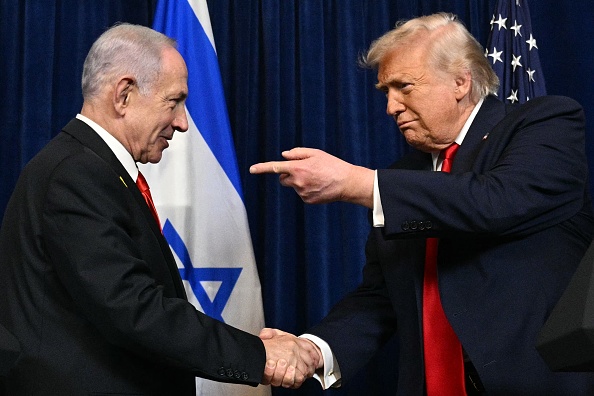
The two leaders also discussed Iran, with Trump saying that if Tehran rebuilt its nuclear facilities the United States would “knock them down.” (Photo by Jim WATSON / AFP via Getty Images)
Trump’s problem with the Iranian offer is the same issue at the center of the war, Tehran wants relief before surrendering the nuclear leverage that brought the region to this point. According to Reuters, Iran’s proposal would reopen shipping through the Strait of Hormuz and end the U.S. blockade of Iranian ports while delaying nuclear talks until later. Trump told reporters he is “not satisfied,” saying Iran wants a deal because it has “no military left,” while U.S. officials continue to insist any final deal must prevent Iran from ever obtaining a nuclear weapon.
Iran is trying to trade maritime access for time, while keeping the nuclear file alive for another stage. Washington is squeezing the regime where it hurts: CENTCOM announced a blockade on ships entering or leaving Iranian ports, Treasury warned that paying Iranian “tolls” for Hormuz passage could trigger sanctions, and the U.S. Navy’s pressure campaign has already forced dozens of commercial vessels to turn back.

For Israel, the stakes are direct. Netanyahu is set to convene the security cabinet as tensions with Iran climb again, and the core issue remains unchanged, Iran’s enriched uranium, missile infrastructure, and terror-proxy network cannot be allowed to survive this war intact. The IAEA says Iran still has 440.9 kilograms of uranium enriched up to 60%, a short technical step from weapons-grade levels, while inspectors have not been able to fully verify key sites.

The ceasefire is still “holding”, but the diplomatic track is shaking. Iran is threatening renewed war. Trump is refusing a deal that pushes the nuclear issue down the road. And Israel is watching closely because any weak agreement would leave the regime with the very tools this war was meant to break.