
 Jewish Breaking News
Kiryat Shmona Struggles to Rebound as Residents Stay Away, Businesses Collapse and Property Values Slide After Months of Hezbollah Fire
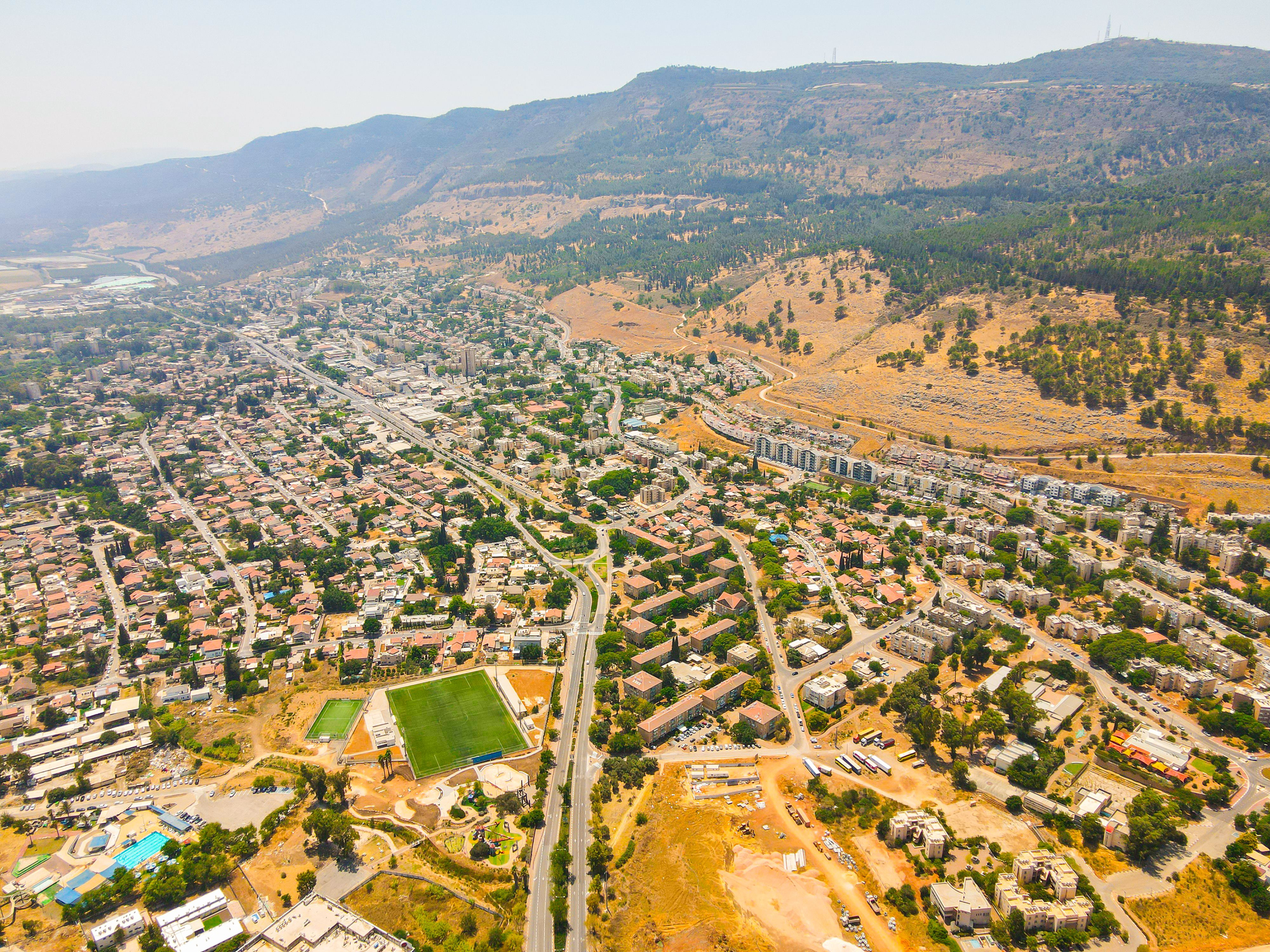
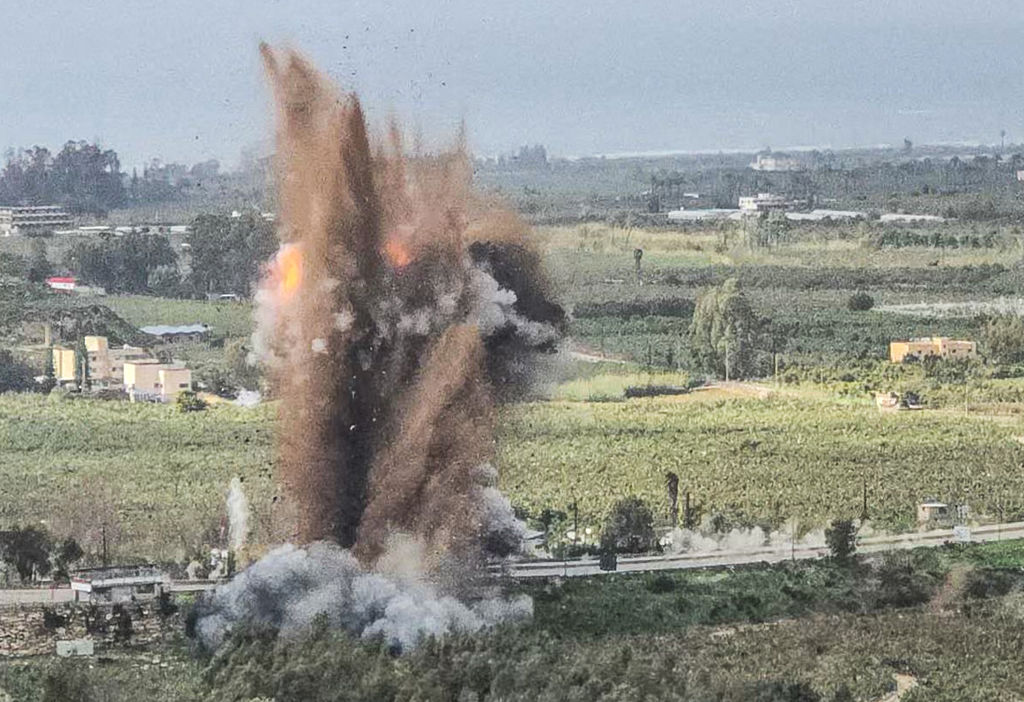
Kiryat Shmona was supposed to be in comeback mode. Instead, Israel’s northern border city is living in the uneasy space between return and recovery. Cafes and shawarma stands are open again along parts of Tel-Hai Street, but the side streets tell a harsher story, shuttered storefronts, scattered customers, temporary missile shelters on nearly every corner and a local economy still waiting for its people to come home. In a city where residents may have as little as 15 seconds to reach cover from Hezbollah fire, “normal” is not a business plan.

Kiryat Shmona, home to roughly 24,000 residents before the war, was evacuated after Hamas’s October 7 massacre triggered the northern front with Iran-backed Hezbollah. Only about 60% of residents have returned, and roughly half of local businesses are back open. Homes in newer buildings are reportedly down about 5% from prewar prices, while older apartments without shelters or elevators have dropped closer to 15%. Family apartments of 70–90 square meters can now start around NIS 600,000, while large private homes can still reach roughly NIS 3.5 million.
In the Golan Heights, where communities were not emptied in the same way, agents say the housing market is steadier and tourism is beginning to breathe again. Several Galilee and Golan hotels have reopened, with some reporting meaningful Independence Day occupancy, a small but important signal that Israelis are willing to return when security feels manageable. Kiryat Shmona has no such cushion. When a city loses families, workers, students and shoppers for more than a year, the damage is not only physical. It becomes demographic.
The government knows the stakes. A northern rehabilitation plan includes billions of shekels over several years, a “North Plus” digital wallet program for border-area residents to spend inside local businesses, and grants of up to NIS 24,000 a year for reservist families moving to Kiryat Shmona, Shlomi or Metula. Around 17,000 households in communities close to the border are set to receive digital grants ranging from NIS 1,000 to NIS 2,500, with the money restricted to businesses near the frontier. That design is smart: every shekel is meant to do double duty, helping residents while pushing oxygen into local commerce.

But the complaint from the north is not that plans do not exist. It is that time ran faster than bureaucracy. The Knesset Finance Committee approved NIS 1.2 billion for northern rehabilitation only after months of delay, while earlier government plans earmarked NIS 15 billion over five years. Local leaders and business owners have been warning that reopening after evacuation is expensive: merchandise expires, customers scatter, employees leave, loans pile up and the next round of rocket or drone fire can freeze everything again. One business-support report estimated Kiryat Shmona’s direct financial loss at NIS 1.5 billion, with business activity in the city down 75%.
The approved transformation of Tel-Hai Academic College into the University of Kiryat Shmona in the Galilee, backed by a five-year NIS 570 million investment, could become a serious growth engine if executed properly. New Ph.D. programs, engineering, AI, precision agriculture and a planned veterinary school in the Golan would bring students, researchers, apartments, cafes, transportation demand and jobs into the region. A university city can do what grants alone cannot: make young people build a life there.

The broader Israeli economy is still strong enough to absorb shocks, but the north exposes the cost of a prolonged multi-front war. Reuters reported that Israel’s Finance Ministry cut 2026 growth expectations depending on the length of fighting with Iran and Hezbollah, while a separate Israel Democracy Institute survey found that among displaced Israelis, 19% of those previously employed were out of work, and 44% of northern households reported income declines. These are not abstract macro numbers. They are the barber waiting outside an empty salon, the shop owner reopening into silence, the young family deciding whether the Galilee is still worth the risk.

Israel cannot treat Kiryat Shmona as a symbol only when Hezbollah fires and forget it when the sirens stop. The city is a strategic anchor at the top of the country. If it weakens, the entire Galilee weakens with it. If it recovers, with real security, fast funding, a university, jobs, transport, tourism and protected housing, it can become proof that Iran-backed terror can damage Israeli towns but not empty them for good.