

 Jewish Breaking News
SHAMEFUL: U.S. Treasury Forced to Remove Sanctions From Albanese Following Court Order
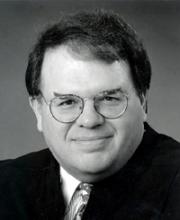
The United States Treasury announced Wednesday that it had lifted sanctions on U.N. Special Rapporteur Francesca Albanese following a court order from a federal judge, U.S. District Judge Richard Leon, in a ruling that critics are characterizing as shameful.
Albanese has been widely criticized for what critics say are inflammatory antisemitic comments, posts and letters. After she described Israel as the common enemy of humanity in a video address at an Al Jazeera forum in Qatar, even France, along with Germany, the Czech Republic and Austria, called for her resignation from the United Nations. Nevertheless, the U.N., despite repeated calls to strip her of her titles, maintains that she is an “independent expert” and the organization does not tell her what to say.
U.S. Secretary of State Marco Rubio had imposed sanctions on Albanese in July 2025.
“Today I am imposing sanctions on U.N. Human Rights Council Special Rapporteur Francesca Albanese for her illegitimate and shameful efforts to prompt International Criminal Court action against U.S. and Israeli officials, companies, and executives,” Secretary of State Marco Rubio posted on X at the time.
“Albanese’s campaign of political and economic warfare against the United States and Israel will no longer be tolerated,” he added. “We will always stand by our partners in their right to self-defense.”
But the judge ruled that the sanctions violated Albanese’s First Amendment rights, which do not extend to non-citizens or non-residents. Albanese is neither a citizen nor a resident of the United States.
Albanese “has done nothing more than speak,” he declared. “It is undisputed that her recommendations have no binding effect on the ICC’s actions. They are nothing more than her opinion.”
Leon further argued that the exception for parental transactions regarding her American-born daughter is vaguely worded.
“It is not clear from the record before me how plaintiffs would distinguish between necessary and unnecessary transactions in the context of their family relationships,” he wrote.