
 Jewish Breaking News
Discovery of Skull Fragment in Kfar Aza May Finally Solve Fate of Beheaded IDF Officer Maj. Nirel Zini
Human remains discovered in Kibbutz Kfar Aza have reopened one of the most painful unfinished stories from the October 7 massacre, the search for Maj. Nirel Zini, the Givati officer murdered by Hamas terrorists alongside his partner, Niv Raviv, in the young couples’ neighborhood of the kibbutz.
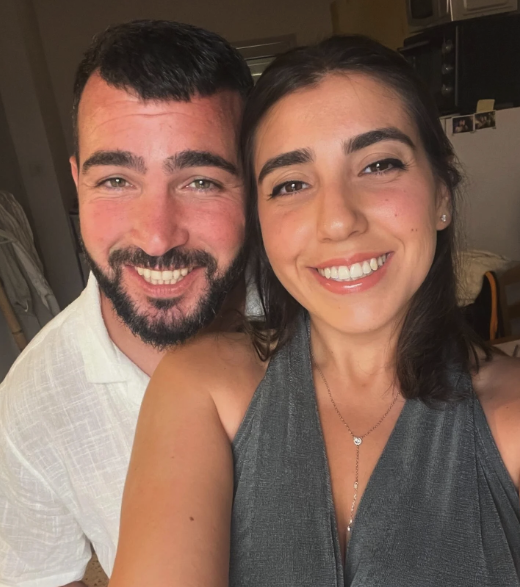
The remains were found in Dor Tzair, the same neighborhood where Nirel and Niv lived and where terrorists stormed their home. Israeli reports say a skull fragment or jawbone was located and transferred to the National Institute of Forensic Medicine for identification. Investigators are now checking whether the remains belong to Nirel, whose head was severed by the terrorists and has not been found since the massacre. A partially burned phone was also reportedly found at the scene.
For Nirel’s family, this is not simply another discovery in the ruins of Kfar Aza. It is the latest chapter in a search they say they were largely forced to lead themselves. His father, Amir Zini, has said the family spent months combing through debris, bringing in equipment, sifting rubble and handing over findings to forensic officials, while begging state authorities to take responsibility.
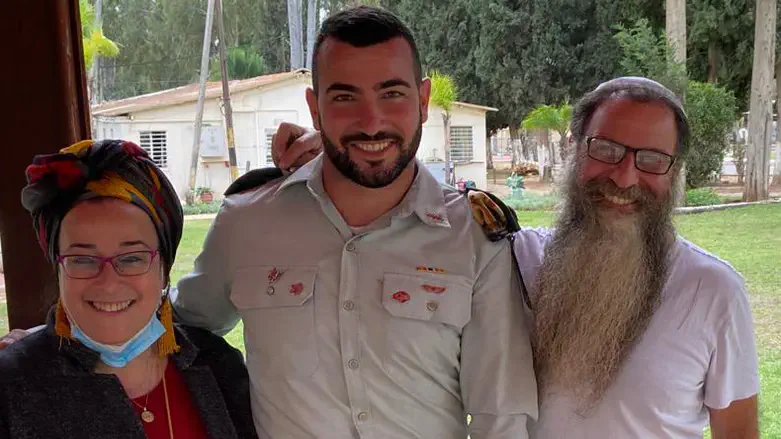
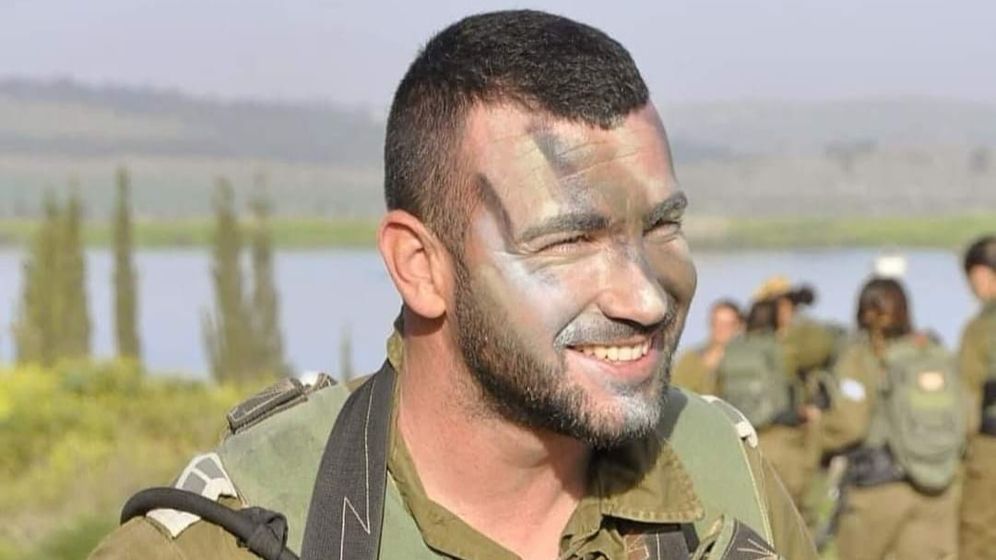
Nirel was 31. He was a Givati officer who had served for roughly a decade, survived a near-fatal injury during operational activity in Hebron, and returned to military service before he had fully recovered. He later left the IDF with the rank of major because of the lasting damage from that wound. Before he was murdered, he worked in the family carpentry business and was preparing to study law, hoping to help wounded soldiers and veterans battling the system for recognition and care.
He and Niv had met during their army service. They had been together for years, built a life in Kfar Aza, and were planning a future. Nirel had intended to propose just days after the massacre. Instead, when Hamas terrorists reached their home, he held the safe-room door with a knife in his hand and sent his family one last message asking them to pray. As the house burned and the terrorists closed in, he reportedly tried to draw them away from Niv in the hope that she would survive. Both were murdered.

Their bodies were found only days later, after they had first been listed as missing. But according to the family, they were not told at the time of burial what had happened to Nirel’s body. Months later, during a briefing at Lahav 433, they learned that he had been decapitated. His father has since accused the state of failing the family twice: first by failing to protect Nirel and Niv, and then by leaving the family without clear answers, official ownership of the search, or the dignity of a full burial.
Kfar Aza was one of the hardest-hit communities on October 7. Dozens of residents were murdered, 19 were abducted to Gaza, homes were burned and fighting continued for days. The IDF later acknowledged a deep failure in its mission to defend the kibbutz. But behind the numbers is the story of one family still looking for one missing part of one murdered son.
The forensic identification has not yet been completed. If the remains are confirmed to be Nirel’s, it could bring his family a measure of closure after an almost unbearable search. If not, the search continues, and so does the demand that Israel account for every victim of the massacre, down to the last fragment.