
 Jewish Breaking News
Hadera Signs Off on Massive 724-Home Rail District With Office Tower, Retail Hub and Major Infrastructure Investment
One of Hadera’s biggest real estate projects is finally moving forward, with the city signing a development agreement that clears the way for a major new mixed-use district near the train station, Route 2 and Mall Hof Village.
The project, known as Tnuport, is planned for a roughly 78-dunam site at one of the city’s most important western entrances. Instead of a sleepy edge-of-city plot, the area is being pushed into a dense urban hub: 724 apartments, a major office tower, commercial space, public buildings, education facilities and large open public areas.

The significance is not just the size. The plan had already been approved, but without a development agreement with the municipality, it could not move properly toward permits. That bottleneck has now been removed. Hadera Municipality and the city’s economic company are expected to lead roughly NIS 50 million in infrastructure planning and development work, including upgrades tied to roads, drainage, electricity and the wider public realm.
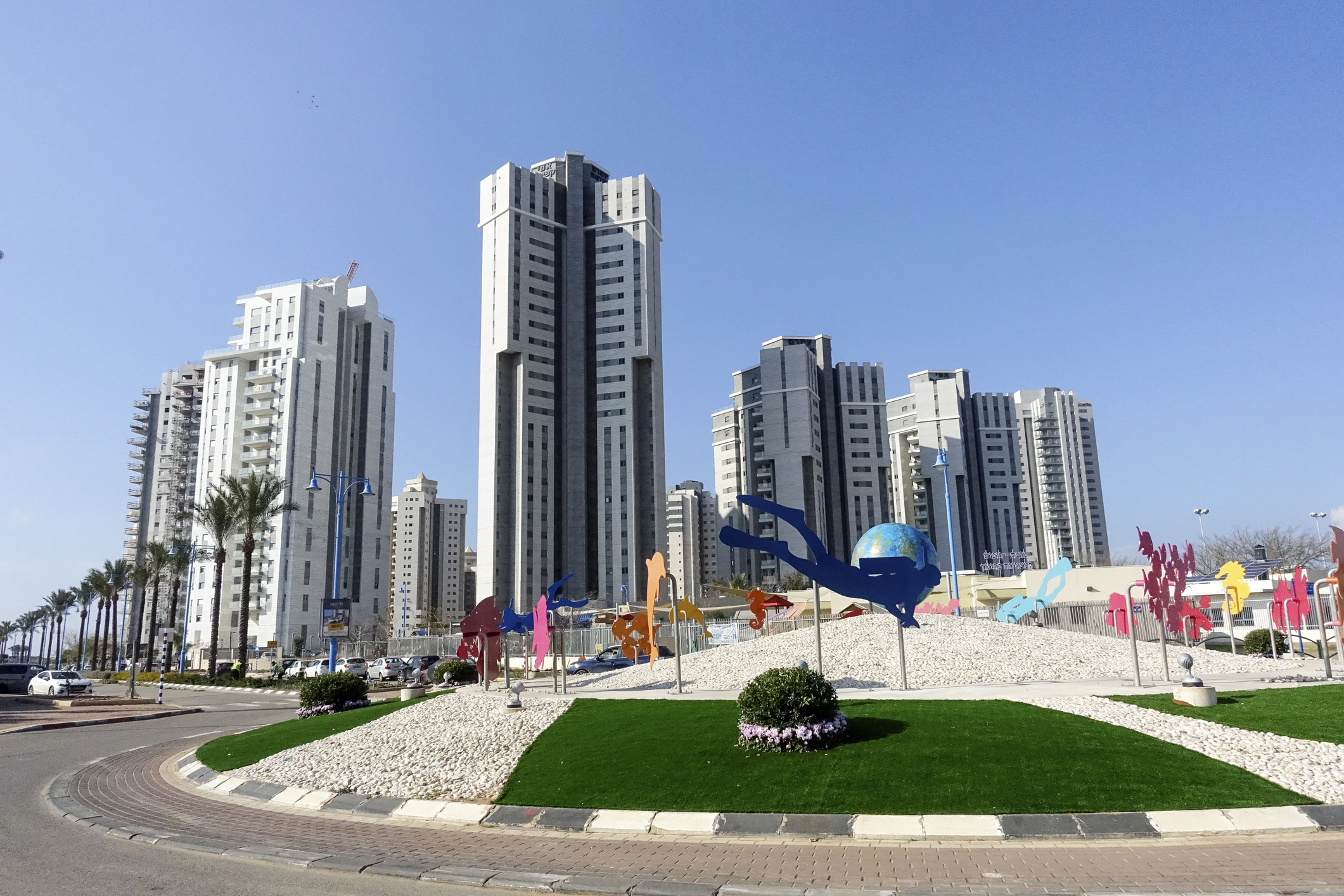
The residential side will include five 24-story towers, alongside lower-rise buildings. The business component is also central to the story: the plan calls for a 15-story office tower of around 27,000 square meters, plus thousands of square meters of commercial space. In total, the project is expected to bring roughly 30,000 square meters of employment, office and retail space into the area.

That matters for Hadera. Like many growing Israeli cities, it cannot rely only on adding apartments. A city that wants better services, stronger infrastructure and more local jobs needs commercial anchors. This project is being framed as exactly that: not just more housing, but a new district where residents can live, work, shop, walk and use the train without being dependent on daily commutes into Tel Aviv or Haifa.
The plan also includes around 21 dunams of open public space and more than eight dunams for public and education buildings. The official planning documents describe a neighborhood built around a central public space separated from vehicle traffic, with internal roads and parking designed to serve the residential buildings.
There is also a before-and-after story here. Earlier planning rights for the site allowed just 66 housing units, alongside commercial and public space. The new plan dramatically expands the residential footprint to 724 apartments, turning the former Tnuport industrial/packing-house area into one of Hadera’s most ambitious urban redevelopment projects.

For buyers, investors and residents, the location is the strongest part of the pitch. The site sits near the railway, close to the coast, near existing retail and beside key transport arteries. That combination is exactly what Israeli planning authorities increasingly want: dense housing near transportation, with public space and employment built into the same neighborhood.
But the next stage is still execution. A signed development agreement is not the same as residents moving in. The project still has to pass through permits, infrastructure work, marketing and construction phasing. The key question now is whether Hadera can deliver the public infrastructure early enough to support hundreds of new homes without choking the area.
If built as planned, Tnuport could change the face of western Hadera. It would turn a strategic but underused site into a rail-linked urban district and give the city a new economic anchor at its entrance. For a city trying to move from commuter town to independent urban center, this is the kind of project that can actually shift the map.