
 Jewish Breaking News
The Shekel Became Too Strong: Bank of Israel Makes Rare $801 Million Intervention as Currency Hits 33-Year High and Exporters Sound Alarm
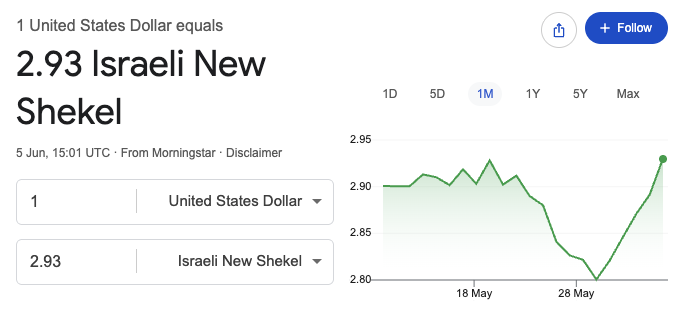
The Bank of Israel quietly bought $801 million in foreign currency during May, a move aimed at cooling the shekel’s sharp rise after it surged to levels not seen against the dollar in more than three decades. The central bank is being careful with its language. It says the purchases were made only to “maintain the orderly functioning of the markets,” not to defend a specific dollar-shekel rate. But the message to traders was hard to miss, if the shekel moves too far, too fast, Jerusalem still has tools
This is not a crisis of Israeli weakness. It is almost the opposite. The shekel has been boosted by foreign investment, strong Israeli equities, a lower risk premium, global dollar weakness, and growing market confidence that Israel can emerge from war with its strategic position strengthened. In normal countries, a powerful currency is a national flex. In Israel’s case, it has become a policy headache.

For consumers, the stronger shekel is good news. It makes imported goods, flights, online shopping, fuel-linked costs and foreign-currency purchases cheaper. It also helps push inflation lower, giving the Bank of Israel more room to cut interest rates. That is why the central bank recently lowered its key rate to 3.75%, while Governor Amir Yaron has signaled that faster easing could be possible if inflation expectations keep falling.
But the same strong shekel is hammering Israel’s exporters. Many Israeli companies earn revenue in dollars but pay salaries, rent, taxes and overhead in shekels. When the dollar collapses against the shekel, their income shrinks in local terms while their costs stay high. That squeeze is already hitting the economy’s most important engine: high-tech. Wix has cited the strong shekel, along with AI, in a major layoff round. Other major Israeli tech and export-heavy companies are under similar pressure.
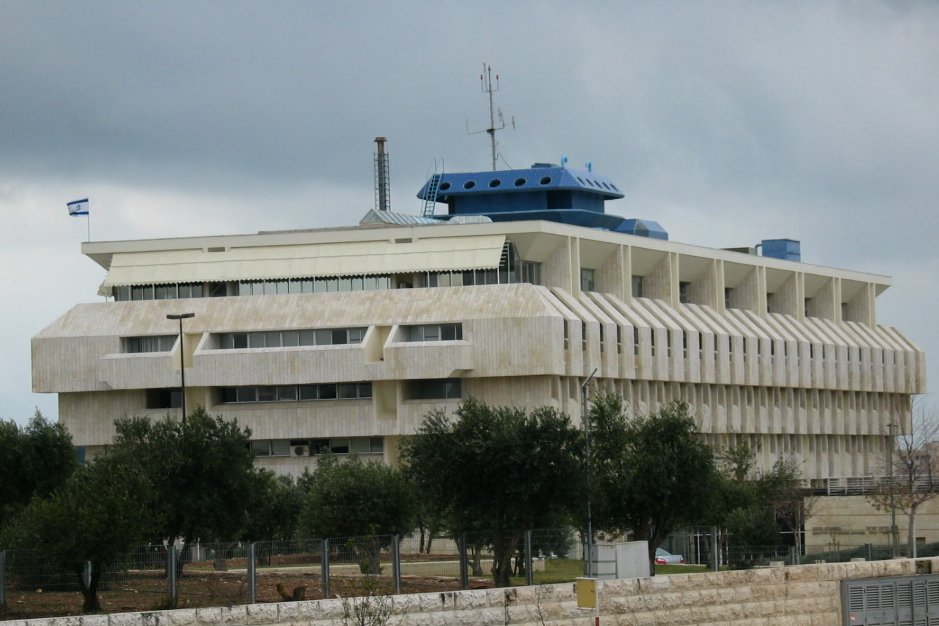
The numbers show why the pressure is rising. Israel’s foreign exchange reserves reached about $238.7 billion at the end of May, up nearly $3 billion from the previous month. Part of that came from valuation gains on the Bank of Israel’s existing reserve assets. But part came from direct foreign-currency purchases. The central bank went into the market and bought dollars or other foreign currency to absorb some of the shekel’s force.
That matters because the Bank of Israel had spent recent weeks projecting caution. Senior officials said intervention remained in the toolbox, but they did not sound eager to use it. They argued that the shekel’s rise reflected real strength in Israel’s economy, not just speculation. Now the policy has shifted from “we are watching” to “we acted.”
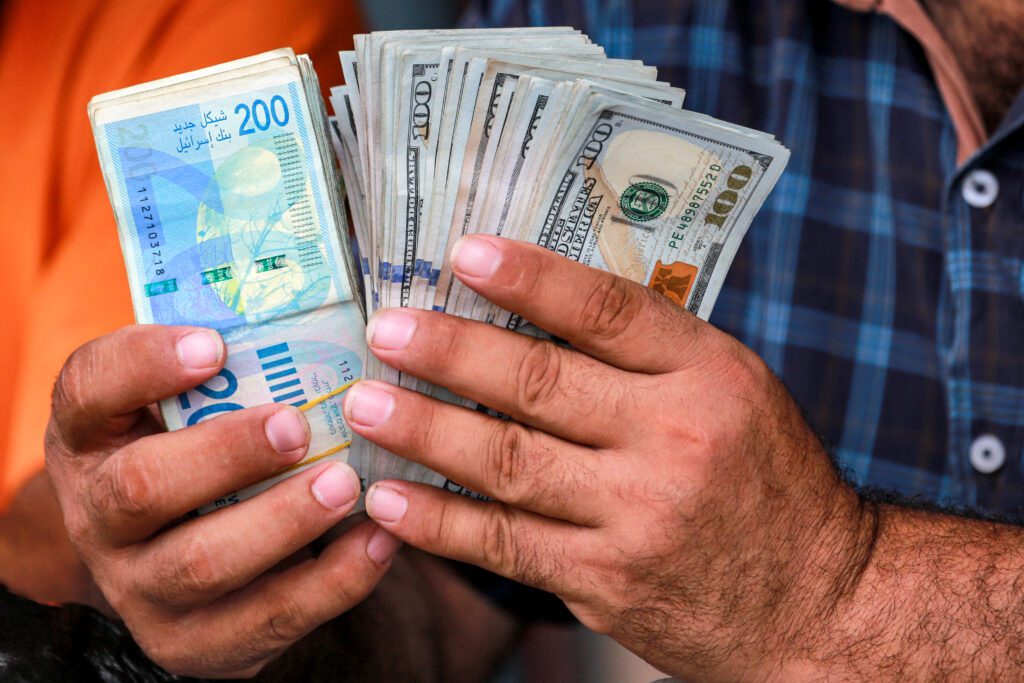
The central bank is walking a narrow line. If it does nothing, exporters and tech companies could keep bleeding competitiveness, pushing some jobs and investment abroad. If it does too much, it risks looking like it is manipulating the currency or fighting a market trend driven by genuine capital inflows.
The next test is whether the dollar-shekel rate stabilizes or traders keep pushing Israel’s currency higher. If the shekel keeps gaining, the Bank of Israel may face the same question again, let the market celebrate Israel’s strength, or step in to stop that strength from turning into damage.