

In a Jerusalem shul during Shacharis, a young boy sleeps on a narrow wooden bench under a window. All morning long he had tried to stay still, but his body refused to obey, his legs jiggling and his fingers drumming on the table. His thoughts raced faster than the words in the siddur, more quickly than a child his age could keep up with.
As the congregation rises for Shemoneh Esrei, his body finally gives in. Slumped forward with one of his shoes dangling from his foot, he puts his head down and falls asleep. A man leans over him and nudges him gently, whispering his name. There’s a flicker of movement—almost a response—but then the boy goes still again. Tefillos rise up around him. Children answer, “Amein yehei shmei rabbah.” The boy doesn’t move.
People begin to notice. They glance at him, look away and then look back. Something feels off, but no one knows what it is.
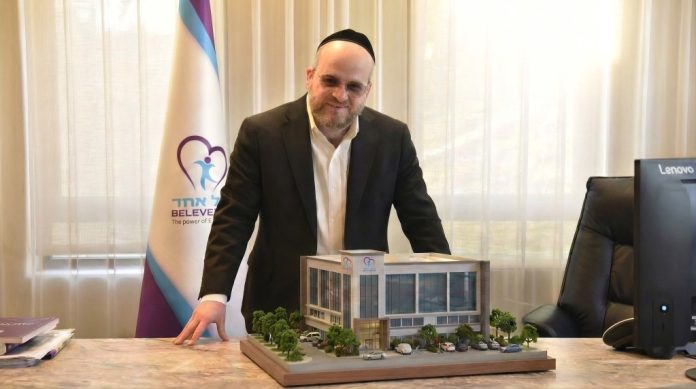
The sleeping boy was Dovid Weitman, today the founder of an organization that helps special-needs children and their families.
When Dovid tells me this story, his mind still moves the same way it did back then. Our first interview takes place on Zoom, with Dovid calling from a car in between back-to-back meetings for his organization. In one moment he is eight years old on a bench in a shul in Jerusalem. In the next, he is in a forest in Ukraine with his grandmother, a young girl learning how to survive at her uncle’s side.
He is not telling me these stories in a linear sequence. He is showing me a landscape that only he can see, a place where past, present and future converge. Dovid takes in the whole picture at once; the rest of us catch up in pieces. The same mind that can’t track a single line of text holds entire worlds in parallel.
People try to give it a name: ADHD, perhaps. The labels might be accurate but they don’t truly explain him. If Dovid has a diagnosis, it is simply this: he is a person who lives fully in the present, and in doing so draws other people into their own strength.
Dovid relates how his father would come to the cheder with cookies from Machaneh Yehudah. “Let’s sit down and learn a little bit,” he would cajole him. Ten minutes. Fifteen. But even that was too much. Nonetheless, his father kept coming to whichever cheder or yeshivah Dovid ended up in. “My father took buses and hailed taxis just to sit with me. It was never really about learning. It was love,” he says.
At home, his mother tried a different approach. “My mother brought me to private teachers and sat with me for hours drawing pictures, following the advice of an expert who said that some children absorb images better than words.” A baalas chesed by nature who was practical and generous, she poured that same determination into the search for the key that would unlock her son’s learning disability.
“As a child,” Dovid says, “wherever I went I kept hearing the same message: you are a gornisht, a nothing.”
Maybe that was why he began searching for other ways to matter. When he was around eight years old, he came up with an idea: If he couldn’t learn, he could at least help others. His plan? Any boy who could say Mishnayos by heart would get a prize. He would raise the money to pay for them.
For all that, his learning difficulties still left him on the outside. The other children didn’t play with him. They laughed, left him out of their games, blamed him for things he hadn’t done. They snickered when he tried to read. When he fumbled through davening or stumbled over spelling they mocked him, and he learned what it meant to be present in a room but treated as if he wasn’t there.
With nowhere to belong, either in the classroom or the schoolyard, he found one place where he could shape a world that made sense: Under his bed, eight-year-old Dovid Weitman kept his own secret universe.
Tiny plastic people no bigger than his thumb. A miniature empire of his own making, where no one failed tests and no one was told he didn’t matter. While other boys bent over their Gemaras, memorizing lines their fathers and grandfathers had learned before them, Dovid built chesed organizations, ambulances and shuls. While they davened, he dreamed.
He couldn’t keep his place on the page. The letters slipped away from him like mercury. But in the worlds he created, he never lost his place. There, he knew exactly where everything belonged. But the home in which he was growing up was built around a very different kind of knowledge.
“My mother came from a background where Torah was hu chayeinu,” he says. The granddaughter of the Manchester rosh yeshivah, Rav Yehuda Zev Segal, zt”l, she was raising 13 children, all nurtured with the hope that they would grow up to be bnei Torah and talmidei chachamim. “This is what she davened for, inspiring us through the deep reverence in which she held Torah study. Unfortunately, watching my siblings succeed while I failed one test after another, it felt as if the world had already decided that I was a lost cause. But beneath that verdict was a hunger I couldn’t yet name, something no mark on a test could satisfy.
“My father’s father was chasidish, but my father had learned in Litvish yeshivos so I hadn’t grown up in that world,” he continues. “My only taste of it was when my grandfather, Reb Avraham Weitman, took me as a little boy to a rebbe’s tish. The warmth and the singing stayed with me, even if I couldn’t have said why.
“One Shabbos night when I was 14 I wandered into a tish by myself. The room was packed: the chasidim singing, the rebbe at the head of the table. I stood in the back, just watching. I didn’t expect to be noticed. I was a nobody, a boy who couldn’t read, couldn’t learn and couldn’t sit still.”
Then Dovid did something uncharacteristic: He made his way through the crowd and introduced himself to the rebbe. “My name is Dovid Weitman,” he said. The rebbe nodded, his eyes resting on him for a moment longer than Dovid was used to. “Zei gebentsht, Dovid,” the rebbe replied.
A few weeks later, he saw the rebbe again on the street. Expecting to be forgotten, he repeated, “My name is Dovid Weitman.” The rebbe looked at him. “I know. I remember,” he said. For a boy who never seemed to fit in anywhere, who felt hurt and misunderstood, the warmth in that gaze was like a hand on his shoulder. For the first time he felt embraced rather than pushed away.
“At that moment, I knew that I wanted to be a chasid,” Dovid says. “It didn’t solve my learning struggles overnight, but it gave me a sense of belonging. In yeshivah, I approached the mashgiach and asked him, ‘Can I seal envelopes in the office?’ The mashgiach hesitated, unsure what to make of such an unusual request, but he said yes. And suddenly I had a purpose. I could do something and be useful. I no longer felt like I was wasting time and I was happy.”
People begin to notice. They glance at him, look away and then look back. Something feels off, but no one knows what it is.
The sleeping boy was Dovid Weitman, today the founder of an organization that helps special-needs children and their families.
When Dovid tells me this story, his mind still moves the same way it did back then. Our first interview takes place on Zoom, with Dovid calling from a car in between back-to-back meetings for his organization. In one moment he is eight years old on a bench in a shul in Jerusalem. In the next, he is in a forest in Ukraine with his grandmother, a young girl learning how to survive at her uncle’s side.
He is not telling me these stories in a linear sequence. He is showing me a landscape that only he can see, a place where past, present and future converge. Dovid takes in the whole picture at once; the rest of us catch up in pieces. The same mind that can’t track a single line of text holds entire worlds in parallel.
People try to give it a name: ADHD, perhaps. The labels might be accurate but they don’t truly explain him. If Dovid has a diagnosis, it is simply this: he is a person who lives fully in the present, and in doing so draws other people into their own strength.
Dovid relates how his father would come to the cheder with cookies from Machaneh Yehudah. “Let’s sit down and learn a little bit,” he would cajole him. Ten minutes. Fifteen. But even that was too much. Nonetheless, his father kept coming to whichever cheder or yeshivah Dovid ended up in. “My father took buses and hailed taxis just to sit with me. It was never really about learning. It was love,” he says.
At home, his mother tried a different approach. “My mother brought me to private teachers and sat with me for hours drawing pictures, following the advice of an expert who said that some children absorb images better than words.” A baalas chesed by nature who was practical and generous, she poured that same determination into the search for the key that would unlock her son’s learning disability.
“As a child,” Dovid says, “wherever I went I kept hearing the same message: you are a gornisht, a nothing.”
Maybe that was why he began searching for other ways to matter. When he was around eight years old, he came up with an idea: If he couldn’t learn, he could at least help others. His plan? Any boy who could say Mishnayos by heart would get a prize. He would raise the money to pay for them.
For all that, his learning difficulties still left him on the outside. The other children didn’t play with him. They laughed, left him out of their games, blamed him for things he hadn’t done. They snickered when he tried to read. When he fumbled through davening or stumbled over spelling they mocked him, and he learned what it meant to be present in a room but treated as if he wasn’t there.
With nowhere to belong, either in the classroom or the schoolyard, he found one place where he could shape a world that made sense: Under his bed, eight-year-old Dovid Weitman kept his own secret universe.
Tiny plastic people no bigger than his thumb. A miniature empire of his own making, where no one failed tests and no one was told he didn’t matter. While other boys bent over their Gemaras, memorizing lines their fathers and grandfathers had learned before them, Dovid built chesed organizations, ambulances and shuls. While they davened, he dreamed.
He couldn’t keep his place on the page. The letters slipped away from him like mercury. But in the worlds he created, he never lost his place. There, he knew exactly where everything belonged. But the home in which he was growing up was built around a very different kind of knowledge.
“My mother came from a background where Torah was hu chayeinu,” he says. The granddaughter of the Manchester rosh yeshivah, Rav Yehuda Zev Segal, zt”l, she was raising 13 children, all nurtured with the hope that they would grow up to be bnei Torah and talmidei chachamim. “This is what she davened for, inspiring us through the deep reverence in which she held Torah study. Unfortunately, watching my siblings succeed while I failed one test after another, it felt as if the world had already decided that I was a lost cause. But beneath that verdict was a hunger I couldn’t yet name, something no mark on a test could satisfy.
“My father’s father was chasidish, but my father had learned in Litvish yeshivos so I hadn’t grown up in that world,” he continues. “My only taste of it was when my grandfather, Reb Avraham Weitman, took me as a little boy to a rebbe’s tish. The warmth and the singing stayed with me, even if I couldn’t have said why.
“One Shabbos night when I was 14 I wandered into a tish by myself. The room was packed: the chasidim singing, the rebbe at the head of the table. I stood in the back, just watching. I didn’t expect to be noticed. I was a nobody, a boy who couldn’t read, couldn’t learn and couldn’t sit still.”
Then Dovid did something uncharacteristic: He made his way through the crowd and introduced himself to the rebbe. “My name is Dovid Weitman,” he said. The rebbe nodded, his eyes resting on him for a moment longer than Dovid was used to. “Zei gebentsht, Dovid,” the rebbe replied.
A few weeks later, he saw the rebbe again on the street. Expecting to be forgotten, he repeated, “My name is Dovid Weitman.” The rebbe looked at him. “I know. I remember,” he said. For a boy who never seemed to fit in anywhere, who felt hurt and misunderstood, the warmth in that gaze was like a hand on his shoulder. For the first time he felt embraced rather than pushed away.
“At that moment, I knew that I wanted to be a chasid,” Dovid says. “It didn’t solve my learning struggles overnight, but it gave me a sense of belonging. In yeshivah, I approached the mashgiach and asked him, ‘Can I seal envelopes in the office?’ The mashgiach hesitated, unsure what to make of such an unusual request, but he said yes. And suddenly I had a purpose. I could do something and be useful. I no longer felt like I was wasting time and I was happy.”
To read more, subscribe to Ami

