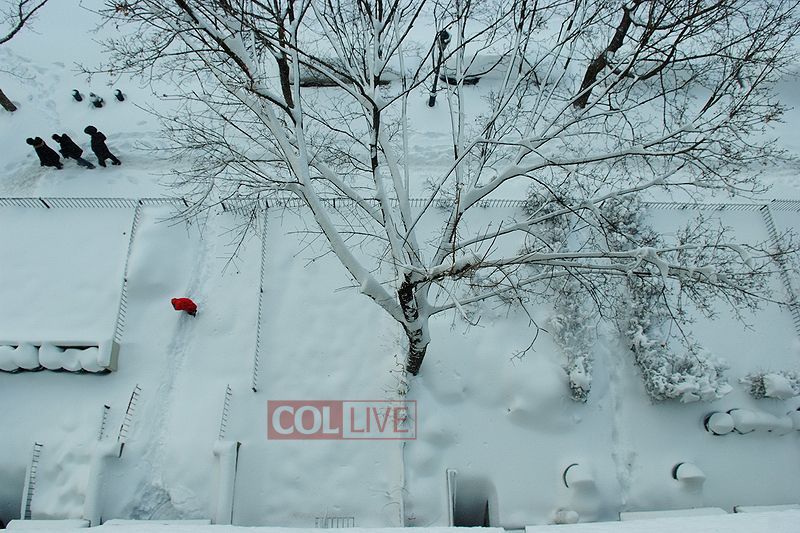

New York City Mayor Zohran Mamdani today declared a local state of emergency ahead of a severe snowstorm expected to impact New York City.
To ensure emergency responders and essential workers can move safely and quickly, city streets will be closed to non-essential vehicular traffic from 9 p.m. Sunday to 12 p.m. Monday.
Limited exceptions apply to vehicles providing emergency services, public transportation, medical supplies, food, fuel, utility repairs and other critical services.
Mamdani also announced that all New York City Public School buildings, except those operating as warming centers, will be closed on Monday, Feb. 23. There will be a traditional ‘snow day.’ No remote instruction will take place, and all after-school activities are cancelled.
In coordination with the New York State Education Department, New York City has received a waiver from the 180-day instructional requirement to prioritize the safety of students, staff and families.
The Emergency Weather Declaration also:
Suspends Alternate Side Parking for Monday, Feb. 23.
Directs the New York City Department of Consumer and Worker Protection to monitor and enforce against price gouging.
Instructs New York City Emergency Management, the City of New York Fire Department, the New York City Police Department, the New York City Department of Sanitation, and the New York City Department of Transportation to take all necessary steps to protect public safety.
The order takes effect immediately and remains in effect for five days, except where otherwise limited, and unless extended or revoked.
City government has mobilized a coordinated, multi-agency response to clear roads, protect vulnerable New Yorkers, and maintain essential services.
“The safety of New Yorkers is my top priority. As this blizzard moves in, our administration is mobilizing every tool at our disposal, around the clock, to keep our neighbors safe. This emergency declaration allows us to cut through red tape so emergency vehicles, sanitation crews, and essential workers can move quickly and do their jobs without delay,” said Mamdani.
“Out of an abundance of caution, schools will be closed tomorrow. We’ve also opened warming centers in all five boroughs to make sure no one is left out in the cold. I’m urging every New Yorker to please stay home. Check in on your neighbors, especially seniors and those who may need extra support. This declaration strengthens our ability to back up our first responders as they put themselves on the line, and it protects working families from price gouging during this storm. In moments like this, we show who we are as a city — we take care of each other.”
About the Local State of Emergency:
The declaration establishes a temporary citywide travel restriction by closing NYC streets, highways, bridges and tunnels to vehicular traffic from 9 p.m. Sunday to 12 p.m. Monday. Most vehicle traffic – including but not limited to commercial trucks, electric bicycles, scooters, and mopeds – is prohibited during that period, except for authorized categories.
Exempt vehicles include:
Government and emergency response vehicles
Public transit, including MTA buses and Access-A-Ride
Vehicles delivering food, fuel and medical supplies
Utility vehicles performing emergency repairs
Transportation for essential workers traveling to workplaces, including health care facilities, pharmacies, grocery stores, gas stations, media outlets, hotels and laundromats
Transportation to hospitals and court facilities
Nonprofit and private organizations providing emergency relief
City offices will be closed for in-person services on Monday. Essential employees must report to work; nonessential employees may telework. Violations of travel restrictions are punishable as a Class B misdemeanor.
Warming Centers and Shelter Access
The New York City Department of Social Services will deploy 22 warming busses citywide. Additional warming spaces are available at 11 NYC Health + Hospital facilities and 13 school locations. New Yorkers should contact 311 or visit a LinkNYC kiosk for the nearest site.
Department of Homeless Services (DHS) continues to operate under enhanced Code Blue protocols. During Code Blue, shelters operate under an open-door policy. Outreach teams are connecting unsheltered New Yorkers to safe, warm space. During a Code Blue, 311 is routed to 911 so first responders can mobilize quickly to reach the person in need. New Yorkers should call 311 if they see anyone in need of assistance.
New York City Health + Hospitals (H+H):
NYC Health + Hospitals will also deploy WARM (Winter Access, Relief and Medical) ambulettes and mobile units starting today. The mobile warming outreach initiative will provide clinical consultations, as well as distribute essential supplies including blankets, warm clothing, socks, warm meals, and water. The units will also drive unsheltered New Yorkers to a warm place of their choosing (shelter, warming center, etc).
NYC Health + Hospitals will be in constant communication to ensure adequate staffing and that patients know their options for care. For patient safety, the health care system has converted most in-person Monday clinic appointments to telehealth visits, as clinically appropriate. It will also quickly reschedule any missed appointment.
The City is directing all hospitals to exercise heightened caution when discharging patients, particularly vulnerable patients, during the cold weather. The City has also directed shelters and safe havens to monitor the areas around their buildings for any New Yorkers in need.
Department of Health & Mental Hygiene (DOHMH):
The NYC Department of Health and Mental Hygiene is informing New Yorkers about how they can stay safe and warm, including by sharing recommendations on preparing for the winter storm, and what to do if you lose heat or hot water in your home.
All New Yorkers should take caution when using drugs or alcohol outside, as cold exposure increases risk. To best protect New Yorkers, the NYC Health Department is providing support to OnPoint so their Wellness Hubs remain open 24/7 through the blizzard to help community members seeking warmth and services.
Older New Yorkers should stay indoors, avoid shoveling, and take steps to prevent slips and falls. Older adult centers will be closed on Monday.
Infants, seniors, and people with paralysis or neuropathy are at increased risk of hypothermia and frostbite. Check on friends, relatives, and neighbors who may need assistance to ensure they are adequately protected from the cold. Recognize the signs and symptoms of frostbite and hypothermia:
Hypothermia: symptoms include slurred speech, sluggishness, confusion, dizziness, shallow breathing, unusual behavior, and slow, irregular heartbeat.
Frostbite: symptoms include gray, white or yellow discoloration, numbness, and waxy feeling skin.
The City is also mandating that a path of at least 4 feet must be cleared across all sidewalks to accommodate wheelchairs.
New York City Fire Department (FDNY):
Starting Sunday at 6 p.m., there will be five firefighters on all Engine Companies, with additional staffing citywide.
Four high-axle vehicles will be deployed, 1 in Staten Island, 1 in Queens, 1 in Brooklyn, and 1 in the Bronx.
FDNY will deploy ten Rapid Response Vehicles (RRV) for Cold Calls, 2 per borough. Each RRV will be staffed with 1 officer and 2 Firefighters.
Thawing apparatus deployed to all fires.
All ambulances will be equipped with chains.
Trainings will be canceled and scheduled members will be utilized in the field.
Extra staffing will be added for EMS.
New York City Police Department (NYPD):
NYPD Highway Patrol will be escorting DSNY to help salt and plow streets.
Tow truck task force is activated and trucks will be pre-staged across the city to assist any motorists who are stuck.
Additional high-water rescue teams have been activated since moderate coastal flooding is expected.
New York City Public Schools (NYCPS):
NYCPS facilities teams are working around the clock to shovel and de-ice school buildings, ensure adequate heating and backup power protocols are in place, and confirm emergency supplies are ready.
Clear and consistent communication with families remains a priority, with updates being shared in all NYCPS languages through letters, emails, SMS messages, social media, robocalls and website postings.