
 Vos Iz Neias
Mexican President Sheinbaum Rejects Trump’s Repeated Offers for U.S. Military Action Against Cartels
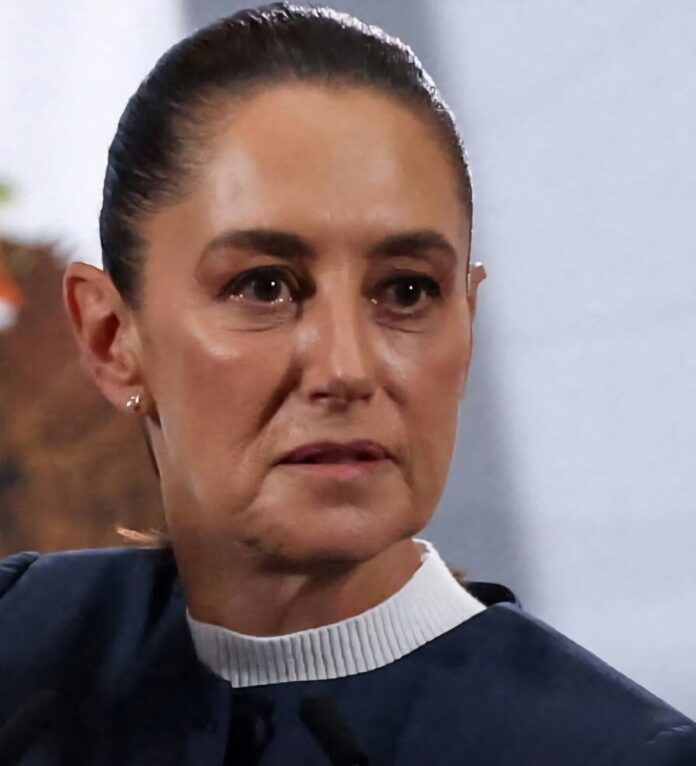
MEXICO CITY (VINnews) — Mexican President Claudia Sheinbaum has firmly rejected multiple offers from U.S. President Donald Trump to deploy American military forces to combat drug cartels on Mexican soil, emphasizing national sovereignty amid ongoing violence linked to criminal organizations.
Sheinbaum has repeatedly stated that while Mexico is open to collaboration, including intelligence sharing, it will not permit foreign intervention. “It’s not going to happen,” she said in response to Trump’s suggestions, noting she has conveyed this position to Trump and U.S. officials on several occasions. She has described sovereignty as “sacrosanct” and “not for sale,” insisting that Mexico will handle operations within its own territory.
Trump has publicly floated the idea of U.S. military strikes or troop involvement to eradicate cartels, which he has described as a major source of drug trafficking into the United States. In various statements, he indicated willingness to take aggressive measures, including potential ground or air actions, to curb the flow of narcotics.
Critics, particularly in conservative U.S. circles and on social media, have slammed Sheinbaum’s refusals, arguing they allow cartels to continue operating with impunity. Some have accused her stance of indirectly enabling cartel violence, though Sheinbaum has countered that Mexico is making progress through domestic efforts and bilateral cooperation short of foreign troops.
Recent violence in Mexico has highlighted the cartels’ ongoing threat to civilians. In Jalisco and surrounding states, the killing of a high-profile cartel leader by Mexican forces prompted retaliatory attacks, including roadblocks, arson on vehicles and buildings, and widespread chaos that forced shelter-in-place warnings for U.S. citizens in affected areas. Reports described scenes of burning vehicles, torched businesses—including a Costco in Puerto Vallarta—and shootouts, as criminal groups sought to disrupt security operations and assert control.
The Jalisco New Generation Cartel (CJNG) and other syndicates have long used such tactics, including setting fires to create barriers and terrorize communities, in response to government actions. Violence has also included car bombs, drone attacks, and mass shootings in various regions, contributing to thousands of deaths annually.
Sheinbaum has maintained that U.S. assistance is welcome in non-interventionist forms, such as information sharing, and that joint efforts on security continue. Trump has acknowledged some of these conversations as positive but persisted in offering military options, which Mexico has declined, citing constitutional prohibitions on foreign interventions and historical sensitivities dating back to events like the Mexican-American War.
The bilateral relationship remains focused on migration, trade, and counternarcotics, with both leaders describing recent talks as constructive despite disagreements over military involvement.