
 Yeshiva World News
Netanyahu Alerted Trump to Khamenei Meeting, Triggering Strike That “Changed the Middle East”
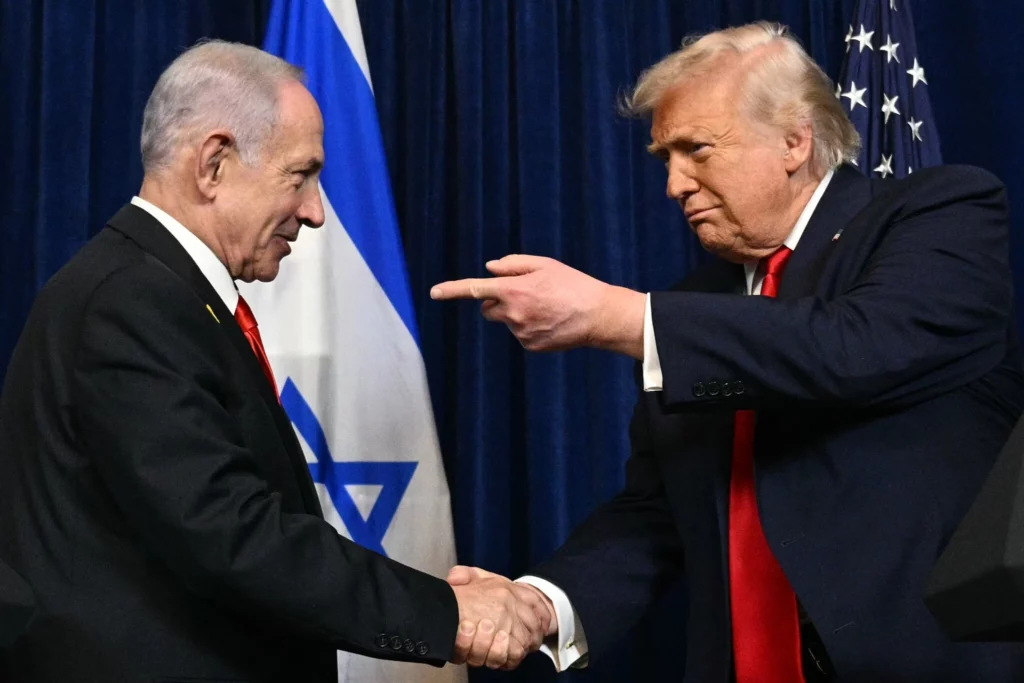
A phone call between Israeli Prime Minister Benjamin Netanyahu and President Donald Trump set in motion the strike that killed Iranian Supreme Leader Ayatollah Ali Khamenei, according to a new report detailing the intelligence and decision-making behind the operation.
According to Axios, Netanyahu called Trump on February 23 to relay sensitive intelligence indicating that Khamenei would be meeting with his senior advisers in Tehran on Saturday morning — presenting a rare opportunity to eliminate the entire leadership circle in a single strike.
The report describes the conversation as “the call that changed the Middle East.”
Netanyahu’s information came from Israeli Military Intelligence, and Trump immediately ordered the CIA to verify the intelligence, according to sources briefed on the call. U.S. intelligence agencies subsequently confirmed the tip, strengthening confidence that the Iranian leader and key advisers would indeed be gathered in one location.
As the strike planning progressed, Trump reportedly made a calculated decision to avoid drawing attention to Iran in his State of the Union address the following day. U.S. officials feared that excessive rhetoric could prompt Khamenei to go underground before the operation could be carried out.
Meanwhile, diplomatic efforts were still unfolding. On Thursday — the same day U.S. envoys met Iranian negotiators in Geneva — the CIA reportedly confirmed definitively that the leadership meeting would take place, according to a source cited in the report.
After the Geneva talks concluded, Trump’s envoys delivered a blunt assessment: negotiations with Tehran were going nowhere.
“If you decide you want to do diplomacy, we will push and fight to get a deal,” the envoys reportedly told the president. “But these guys showed us they weren’t willing to make the deal you will be satisfied with.”
With diplomacy stalled and the intelligence confirmed, Trump made the final decision to proceed with the strike the following day.
According to the Axios report, the United States and Israel had initially envisioned a later timeline for military action, targeting late March or early April in order to build political and public support for the operation.
But Netanyahu pushed aggressively to accelerate the timetable. The Israeli leader warned that Iranian opposition figures hiding inside the country could be discovered and killed by the regime if the strike was delayed, creating urgency around the intelligence window.
Ultimately, the operation moved forward far sooner than originally planned.
“We didn’t make the case in advance as well as we could have because the opportunity came on us so fast,” one U.S. official told Axios.
(YWN World Headquarters – NYC)