
 Vos Iz Neias
Dozens Of Second Temple Coins With Hebrew Inscriptions Seized In Smuggling Attempt Near Jerusalem
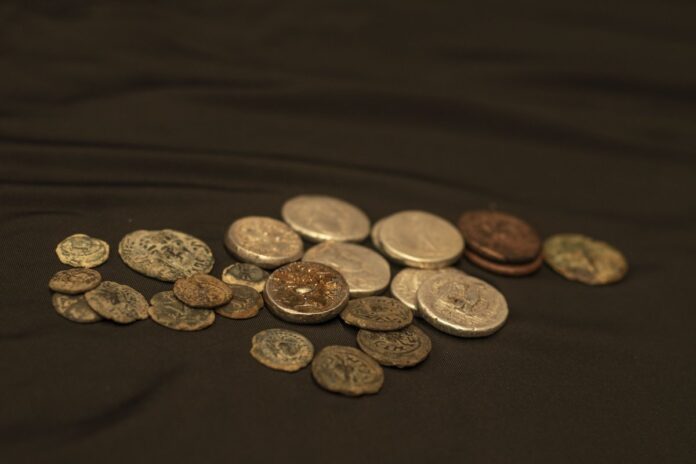
JERUSALEM (VINnews) — Dozens of rare ancient coins, approximately 2,000 years old and bearing inscriptions in ancient Hebrew script, which are suspected to have been looted from Jewish sites dating to the Second Temple period, were seized during an inspection of a Palestinian vehicle by Border Police officers and customs inspectors at the Hizma crossing on the first Friday of the month of Ramadan, about a week before the outbreak of the war with Iran.
The driver of the vehicle, a Hadassah hospital doctor, allegedly attempted to smuggle the coins from the Judea and Samaria area into Jerusalem.
After a box containing the coins was discovered in the vehicle, archaeologists from the Israel Antiquities Authority were called to the scene. Once they confirmed that the items were indeed ancient coins, the suspect was detained by inspectors from the Antiquities Authority’s theft prevention unit and taken for questioning at the Shafat police station in the Neve Yaakov neighborhood of Jerusalem. His entry permit to Jerusalem was cancelled in the wake of the incident.

Most of the coins that were seized were minted by Jewish rulers who governed the land during the Second Temple period and during the revolts against the Romans, including the Hasmonean kings John Hyrcanus I and Alexander Jannaeus.
In addition, coins from the time of the Great Revolt against the Romans about 2,000 years ago were found, including pure silver shekels from the second and third years of the revolt, bearing inscriptions in ancient Hebrew such as “Shekel of Israel” and “Holy Jerusalem.” Also found in the box were bronze coins from the fourth year of the revolt, featuring engravings of the Four Species used during the festival of Sukkot.

The Bar Kokhba revolt was also represented among the seized items, with bronze coins bearing the name of the revolt’s leader, “Shimon (Bar Kokhba),” and on the reverse side the inscription “Year 2 of the Freedom of Israel.”
According to Ilan Hadad, the inspector in charge of antiquities trade in Israel, “The coins are suspected to originate from antiquities looting activities carried out using metal detectors. Some of the coins were cleaned improperly, causing irreversible damage, while others, which may have been recently excavated, have not yet been cleaned. In my assessment, the coins were intended to be sold in Israel to parties involved in illegal antiquities trading or to collectors holding artifacts from questionable sources. Some may even have made their way to auction houses abroad. We intend to carry out further investigative actions to trace the origin of the coins and their intended destination.”
Trading in antiquities without a permit, as well as bringing antiquities from Judea and Samaria into Israel without authorization, are criminal offenses under Israeli law.
“We are witnessing a daily expansion of this improper phenomenon,” said Dr. Amir Ganor, head of the Antiquities Theft Prevention Unit. “Ancient coins from all historical periods are being looted and detached from their archaeological context by individuals using advanced metal detectors. It is important to understand that every ancient coin has immense value for the study of the land’s rich past when it is found in its original site and context. Unfortunately, once a coin is looted and removed, the ability to reconstruct history through it is lost forever.”
He added: “In recent years, Israel has been flooded with thousands of metal detectors sold without regulation. Some people who own these devices are tempted to search for ‘treasures’ at archaeological sites—an illegal and harmful act. Sadly, the coins seized this week were, according to suspicion, looted for profit, detached from their context, and we will never know which archaeological site or historical story they belonged to. The State of Israel must legally restrict the marketing and sale of metal detectors, which are effectively destructive tools that erase entire chapters of our shared history.”
Searching for antiquities without a license using metal detectors is a criminal offense in Israel, punishable by up to three years in prison.
According to Heritage Minister Rabbi Amichai Eliyahu, “There are those who loot antiquities, and there are those who try to destroy our identity and deny our historical connection to this land. We are in a battle against illegal antiquities trade and are working to bring the looters to justice. I commend the Border Police officers and the Antiquities Authority inspectors for their determined action.”