
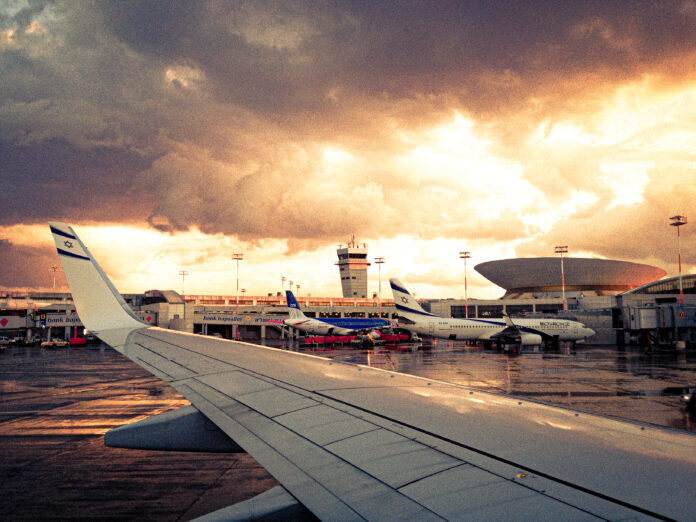

During the latest military operation against Iran, El Al has been operating under extreme constraints that have significantly disrupted normal air travel. As this interview goes to print, outbound flights from Israel have been sharply curtailed by government mandate, limiting the airline to just 15 flights per day, each carrying no more than 50 passengers.
Compounding these restrictions, ongoing missile threats and rapidly evolving security conditions have led to cancellations and frequent schedule changes, leaving thousands of passengers stranded and scrambling to find alternative routes. At the same time that flight capacity has been restricted, a significant increase in oil prices has further strained the airline’s operations and financial outlook. The financial toll on El Al has been severe, with losses estimated at approximately $4 million per day.
While struggling to maintain vital air links, the airline has come under public criticism for how it allocates the limited number of available seats. Many travelers have expressed frustration over what they perceive as unclear or inconsistent prioritization.
Shlomi Zafrany offers a rare inside perspective on the airline’s decision-making process. He addresses the criticism and explains the complex coordination between El Al and Israeli authorities, highlighting the difficult balance among operational limitations, security considerations and the urgent need to bring people home safely.
f it’s not a secret, can you tell me where you are right now?
It’s not a secret. We’re on our campus, which is within the airport complex. We have a bunker for these kinds of situations. We hope to never have to use it, but it’s intended for exactly these times.
Does the bunker belong to the airport or to El Al?
It’s El Al’s bunker. Inside the bunker we have our management team, the operational control center, and all of the major teams that need to continue working even when the sirens go off, which is what we’ve been doing for the last three weeks. Obviously, it’s important to us to keep our team safe.
So when people complain about canceled flights, they’re communicating with you in the bunker. Maybe they should know that you’re not operating normally.
It’s actually more challenging than that, because our customer care teams are either working remotely or from our call center, which isn’t underground. This means that every time the siren goes off, whether they’re at home or in the office, they need to stop what they’re doing and go to the safe room, which obviously creates another disruption. It’s a real challenge to try to provide decent service to customers. But that’s our goal.
Another challenge is that we’re dealing with the same frustration as our customers over the fact that we are forced to cancel flights or cap the number of people who can board an aircraft. All these limitations mean that 80% of our customers must be rejected as long as these restrictions are in place.
You’ve probably been operating from the bunker since October 7.
No. We did for the first few weeks, but then we moved back to the offices. We were there until last June, when we had to go back to the bunker during the 12-day war with Iran, and now we’re back here again. I believe that this is the third episode that has forced us into the bunker since the outbreak of the war in 2023. In addition to the other challenges the airline is facing, our working quarters aren’t all that great.
To read more, subscribe to Ami

