
 Vos Iz Neias
Netanyahu: Strait Of Hormuz Can Be Bypassed, Alternative Routes Exist For Oil Transfers
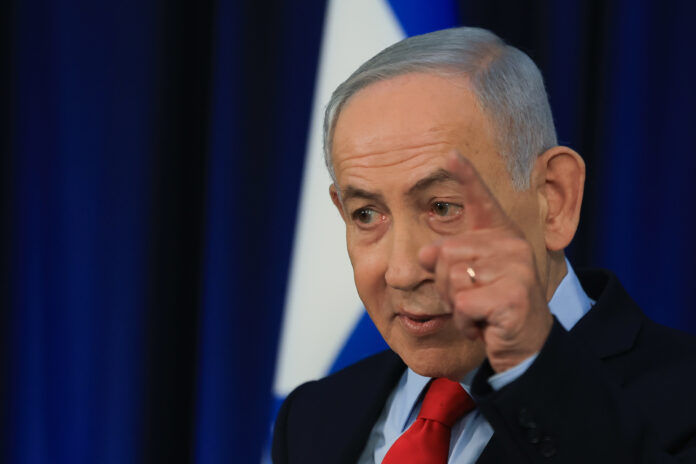
JERUSALEM (VINnews) — Prime Minister Benjamin Netanyahu gave an interview overnight Monday to the American network Newsmax, addressing strategic options in the energy sector and tensions in the Gulf region.
According to him, “there are ideas after the war to transfer energy and oil pipelines from the Gulf to Mediterranean ports.” He added that “it is possible to bypass the Strait of Hormuz, and there is an interest in achieving this to allow completely free flow of oil and gas.”
Netanyahu also noted that there are military aspects to the issue but declined to elaborate: “There are military solutions to opening the Strait of Hormuz under U.S. leadership, but I will not comment on them.”
At the same time, Faisal al-Qassem, one of Al Jazeera’s senior journalists with over 6 million followers, wrote: “It’s truly remarkable: Netanyahu has repeatedly expressed his desire to redirect oil exports from the region to the world through Israeli ports, and then Iran comes and closes the Strait of Hormuz, as if sending a message to the world: look for alternatives through Israel, almost as if it is doing exactly what Netanyahu wants.”
Lebanese media also reported that a change is being considered in the route of the Trans-Arabian Pipeline (Tapline), which is about 1,214 kilometers long, so that it would transport oil from the Qaisumah area in northeastern Saudi Arabia to the ports of Baniyas or Latakia in Syria, instead of Sidon in Lebanon. According to the report, this would be a new route capable of carrying up to four million barrels per day.
Additionally, Eilat Ashkelon Pipeline Company (EAPC) CEO Amit Shaked stated at the Maariv economic conference that the confrontation with Iran should be viewed from a broader strategic perspective, not only through immediate battlefield events. He emphasized that the current war once again demonstrates how oil remains a central driver of the global economy, and how energy and trade routes are becoming a primary geopolitical factor.
Shaked added that in light of recent developments, more and more countries are seeking alternative energy transportation routes. According to him, the true significance of these events will become clear after the war, when countries in the region and around the world evaluate new trade and energy routes that do not depend on passage through the Strait of Hormuz.