

 Vos Iz Neias
Working Charedim in Israel: The Quiet Revolution Led by Rabbi David Leibel
A growing movement inside Israel’s charedi community is reshaping the balance between Torah study, work, and modern life.
I
t is no secret that the charedi community in Israel has been in crisis mode for years, even before October 7. The rise of the internet, smartphones, and social media challenged the insular structure of the community, and its leaders initially responded by banning these technologies altogether.
Over time, however, that approach became harder to sustain. As digital tools became essential for many forms of employment, an uneasy compromise emerged: they could be used for “work purposes.” That concession had a far-reaching effect in practice.
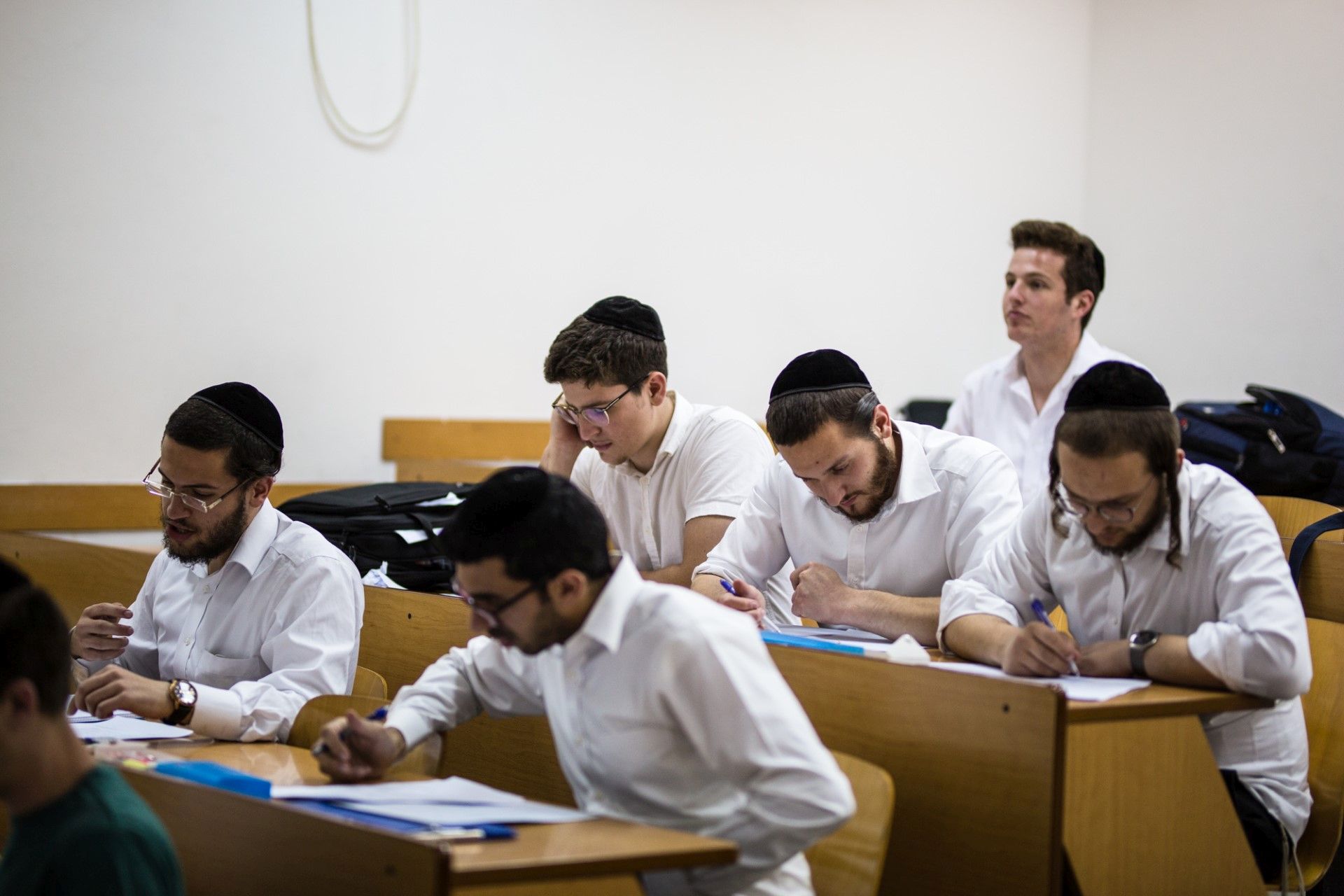
It gave rise to a new kind of charedi: ambitious, capable, tech-savvy young men who realized they could not indefinitely remain in kollel while relying on their wives to support the household.
Yet even as some found financial stability, their place in the community became more precarious. Many were treated as second-class citizens. Their children were denied admission to schools, and they were often marginalized in communal life.
For many, the result was not just social isolation but spiritual discouragement. Working charedim who wanted to remain committed to Torah life often found themselves with fewer supports than ever before.
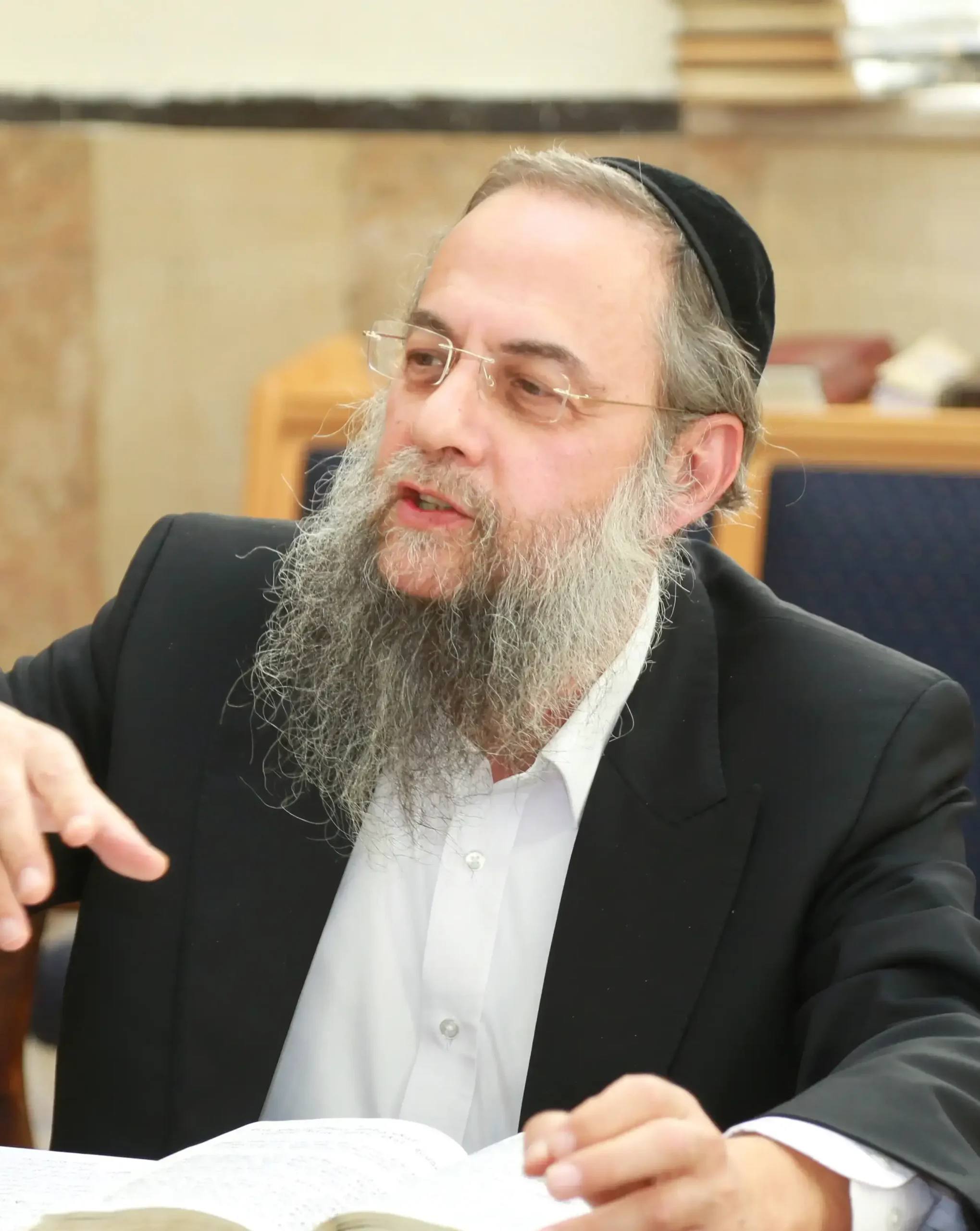
Into that void stepped Rabbi David Leibel, a talmid chacham and rosh kollel associated with the classic world of Bnei Brak learning. Educated in Gateshead and Ponovezh, he embodied the traditional model of a full-time Torah scholar.
Yet what he saw deeply troubled him. Many families were struggling financially, and the lack of basic secular education meant their children faced limited opportunities.

About 15 years ago, he founded a kollel for working charedim. It evolved into Achvas Torah, a network designed to provide dignity, community, and serious Torah learning for working men.
“
Everyone needs everyone. The working person needs the avrech, and the avrech needs the working person.
More than just providing a place to learn, Rabbi Leibel offered these men something they had often been denied: honor. He framed their path as a legitimate and meaningful way of life.
He later founded Avratech, combining Torah study with preparation for careers in technology, and L’Ovda, a track focused on practical skills like electrical work.
The movement he helped build is reshaping the conversation around work, dignity, and Torah life in the charedi world, creating an entirely new framework for community.