
 Matzav
80 Years After Nuremberg Trials, Over 109,000 Holocaust Survivors Living in Israel
As Israel prepares to mark Holocaust Remembrance Day alongside the 80th anniversary of the Nuremberg Trials, new figures show that 109,286 Holocaust survivors and related groups are currently living in Israel, with an average age of 88.
Holocaust Remembrance Day this year is being observed against the backdrop of Operation “Shaagas HaAri,” while commemorations around the world are marking eight decades since the Nuremberg Trials, which laid the groundwork for justice following the atrocities of the Holocaust.
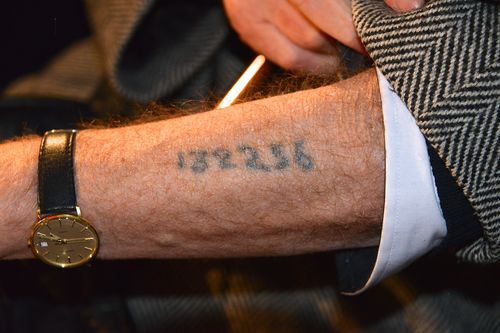
Ahead of the memorial day, the Authority for the Rights of Holocaust Survivors in the Prime Minister’s Office released updated data on the final generation that experienced the Holocaust firsthand. The total includes Holocaust survivors, refugees, victims of antisemitic persecution during World War II, and those who suffered disabilities as a result of the war against the Nazis.
This group represents about 34% of all individuals recognized by the authority since its establishment in the 1950s, with a total of 322,997 people acknowledged over the years. More than 50 Holocaust survivors were recently impacted by missile attacks from Iran and Lebanon and were evacuated to hotels or to stay with family members.
The authority currently provides services to three main groups: Holocaust survivors (36,752 individuals) who directly endured the horrors of the Holocaust; Holocaust refugees (38,934 individuals), primarily from the former Soviet Union who immigrated in the 1990s; and victims of antisemitic persecution during World War II (33,521 individuals). Among the latter group are 21,476 people from Morocco and Algeria who faced discrimination and restrictions under the Vichy regime, and 12,045 individuals from Iraq who experienced the Farhud riots in Baghdad.
Additional groups assisted by the authority include 79 individuals recognized as war-disabled due to injuries sustained while fighting the Nazis, whether as part of Allied forces or resistance groups such as the partisans. The authority also supports widows and widowers of Holocaust survivors and war-disabled individuals, providing monthly stipends; currently, 16,190 such beneficiaries receive these payments.
Demographically, approximately 62% of Holocaust survivors in Israel are women (67,555), while about 38% are men (41,652). The proportion of women increases with age, accounting for about 60% of those in their 80s, 65% in their 90s, and roughly 75% among those over 100.
Roughly 70% of survivors are in their 80s, about 29% are in their 90s, and around 1% are over the age of 100. The average age stands at approximately 88, with the youngest group—those aged 80—numbering 775 individuals, and the oldest group—those aged 105—numbering 48.
About 52% of survivors are widowed, while approximately 35% are married. Marriage rates are higher among men than women, at about 69% compared to 31%, while widowhood is more common among women, accounting for 80% compared to 20% among men.
In terms of country of birth, 40,657 were born in the former Soviet Union (about 37%), 18,957 in Morocco (about 17%), 12,045 in Iraq (about 11%), 11,817 in Romania (about 11%), 5,083 in Poland (about 5%), 4,598 in Tunisia (about 4%), 2,987 in Bulgaria (about 3%), 2,780 in Libya (about 2.5%), 2,542 in Algeria (about 2%), and 1,468 in France (about 1%).
Some 96% immigrated to Israel after the establishment of the state. About 30% arrived during the major immigration wave between 1948 and 1951, and roughly 26% came during the 1990s. Since the beginning of this year, three new immigrants in their 80s have arrived in Israel.
The cities with the largest populations of Holocaust survivors include Haifa (7,244), Yerushalayim (6,969), Tel Aviv (5,766), Ashdod (5,513), Netanya (5,452), Beersheva (4,494), Petach Tikva (4,483), Rishon Letzion (4,429), Bat Yam (3,692), and Cholon (3,444).
Regarding health status, about 73% of survivors are classified as requiring nursing care at varying levels. Among those, approximately 75% receive additional support—either nine extra weekly caregiving hours or increased monthly payments—due to higher levels of dependency.
Ronit Rozin, head of the Authority for the Rights of Holocaust Survivors, said: “The rising antisemitism and the threats to the State of Israel in these days remind us every day of the danger that hatred of Jews led to in the past. The authority is committed to caring for Holocaust survivors here and now, and to ensuring that the story of their revival and legacy of hope will never be forgotten and will continue to guide us as a state and as a society.”