
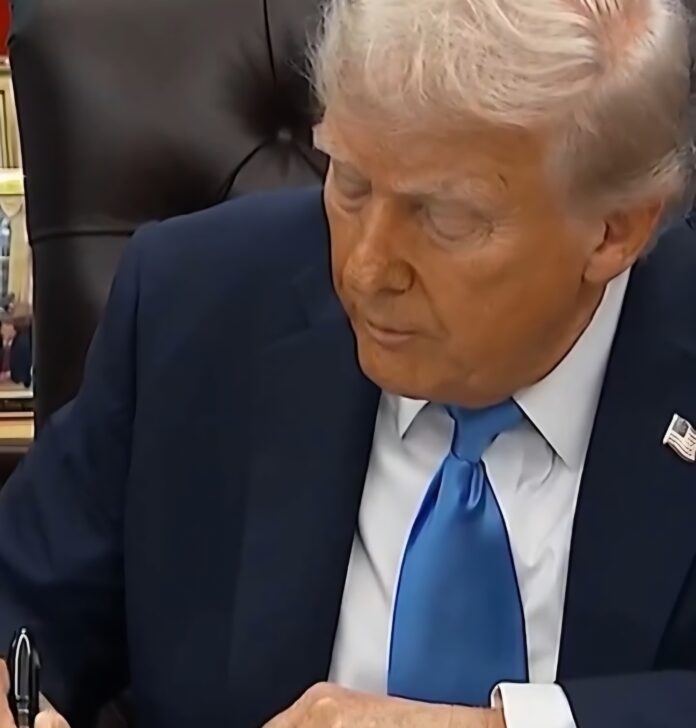

NEW YORK (VINnews) – President Trump’s overhaul of the U.S. visa system for highly skilled immigrants is facing its first major test, with a new $100,000 fee on certain H-1B petitions prompting concerns that foreign tech talent may leave the United States or choose not to come at all.
Bloomberg News correspondent Saritha Rai reported Thursday that India stands to benefit significantly from the policy change, as some Indian-born engineers return home or opt to build careers domestically rather than navigate the heightened barriers.
The Trump administration implemented the steep fee in September 2025 for new H-1B visa applications filed from abroad. The change aims to prioritize higher-paid workers, curb perceived program abuses and protect American jobs and wages. Indians have received about 70% of H-1B approvals in recent years.
Rai’s reporting highlights reverse migration trends, with U.S.-experienced Indian professionals returning to hubs like Bengaluru and Hyderabad. Many are contributing to India’s booming startup scene, particularly in artificial intelligence, fintech and software services. Major U.S. firms, including JPMorgan Chase, Goldman Sachs and Morgan Stanley, have already expanded operations in India, with some employing more staff there than in most other countries outside the U.S.
“India is well positioned to benefit,” Rai noted in the Bloomberg segment, pointing to the country’s maturing tech ecosystem, domestic market growth and government incentives for returning talent.
The policy has drawn criticism from U.S. business leaders. JPMorgan CEO Jamie Dimon has voiced concerns about talent shortages and rising costs for American companies. Supporters argue it will encourage investment in domestic STEM education and higher wages for U.S. workers.
Not all affected workers are impacted equally. Many H-1B holders already in the U.S. can extend their visas without facing the full new fee. Legal challenges to the changes continue, adding uncertainty.
The developments echo patterns seen during earlier Trump administration policies and the COVID-19 pandemic, when immigration restrictions accelerated offshoring and talent redistribution. Proponents say the fee will strengthen the U.S. workforce long-term, while critics warn it risks eroding America’s edge in global innovation.