
 Vos Iz Neias
‘I Was Blonde And Blue-Eyed. German Soldiers Showered Me With Toys And Candies’, Esther Recalls
JERUSALEM (VINnews) — “During our escape from the ghetto, through mountains and rivers, representatives of the escapees approached my mother and tried to convince her to give me up so as not to endanger the group. But my mother did not give up on me. She refused, promised them I wouldn’t cry, and asked that if there was a problem, they should get rid of both of us together. A mother, she told everyone, does not part from her child.”
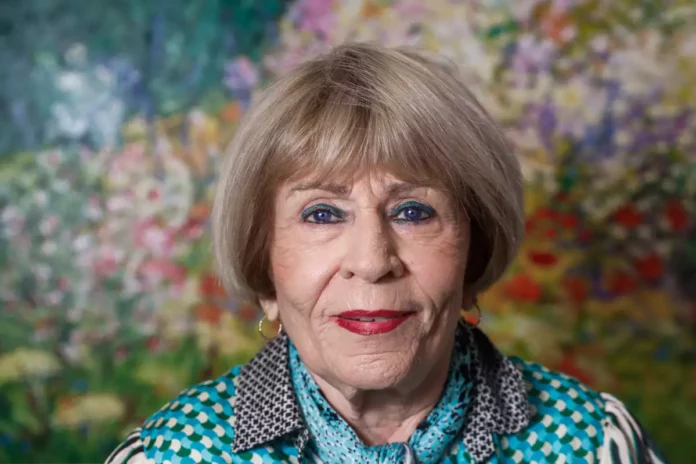
Today, Esther Yaron is 84. She is active and energetic, full of vitality, charm, and personal warmth, someone whom nothing in life has broken. Her spirit has overcome all hardships, and it is very important to her that people remember, speak about, and tell the story of the Holocaust of Greek Jewry, of which, she says, only a few survived.
“By the way,” Esther admits in a Yisrael Hayom interview, “it wasn’t always like this. For many years I avoided telling my story. I kept my past to myself. The one who encouraged me and taught me the importance of sharing it, so people would know and remember that the Holocaust did not skip Greek Jewry, was my dear niece Anat Beldinger.”
She was born in the city of Drama in northeastern Greece. As an infant, her family fled to Thessaloniki, and not long after, the Germans gathered the city’s Jews in the central square and transferred them to four ghettos there.
“My mother and I arrived at the ghetto, where there was a train station from which Jews were sent to extermination camps,” Esther recounts.
“The first transport left on March 15, 1943. We were in the 19th transport, on August 10, 1943. Thanks to the Greek partisans—my father Moshe was one of them—we managed to escape just before boarding the death train.”
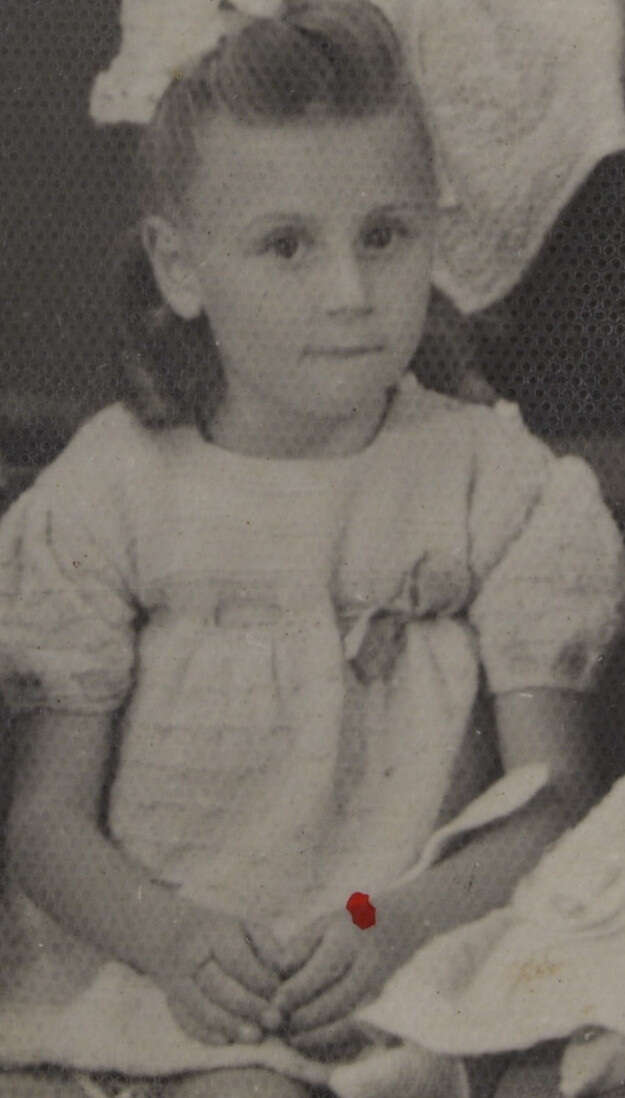
Esther says that she and her mother managed to hide in a suburb of Athens with a local Catholic priest, who gave them Greek identities and a cover story. “My mother thought we had reached a safe place, but then Gestapo soldiers appeared, and the church became their headquarters. I was a blonde, blue-eyed child, about one and a half to two years old, cheerful and full of life. The soldiers were charmed by me and showered me with food, candies, and toys.”
After the war, Esther says, her father returned to them and only then actually met her for the first time. The reunited family returned to Drama, where her siblings, the twins Elisheva and Levi, were later born.
Esther immigrated to Israel in 1950 with her family at the age of 8. “We arrived by ship at the Sha’ar HaAliyah immigrant camp in Haifa. After two weeks we moved to Kibbutz Ginegar, and later to Kibbutz Afikim, where immigrants from Greece who had arrived in 1939, before the war, were living.”
Due to her father’s work, the family later moved to Nachlat Yehuda. Esther is very proud of her life path. She studied extensively, became a psychiatric and rehabilitation nurse, built a family, and had two children, Yaron and Yuval.
“Only at the age of 30, during my mother’s testimony at Yad Vashem, when I was already a mother of two, did I learn that I am a first-generation Holocaust survivor. Then I had a flashback from early childhood. I saw ‘black columns’ walking in a steady rhythm. It was probably the boots of the Gestapo, since I reached only up to their knees and ran freely among them.”
Esther was supposed to participate this year in the March of the Living in Poland, held on Holocaust Remembrance Day between the Auschwitz and Birkenau extermination camps. This year’s march was to focus on combating antisemitism, but the arrival of 1,500 participants from Israel, including 50 Holocaust survivors and their families,was canceled due to the war.
“I won’t give up: I’ll go next year,” she promises. “My parents raised me to be strong and positive. Thanks to their approach, I don’t tend toward depression and don’t experience trauma like many Holocaust survivors. They raised me wonderfully, and I miss them so much.”
A few days ago, she celebrated her 84th birthday. Her home in Neot Afeka, Tel Aviv, was filled with flowers. Yohanan, her partner for many years after divorcing the father of her children, came from Pardes Hanna-Karkur to spend Shabbat with her.
“I’m truly happy about this springtime of my birthday,” Esther says, beaming.
“I’ve had a difficult journey in life. I’m proud that I overcame all the challenges and reached where I am today. As someone who survived the darkest days of humanity, I feel it is my duty to remember and to remind, and I do so with great joy, also in ‘Zikaron BaSalon’ [Holocaust survivors in salon gatherings]. There I tell the story of the Holocaust of Greek Jewry. People often ask me whether there was even a Holocaust in Greece. I am the proof. I survived, I won, and I built a beautiful home in Israel.”