

By FrumNews.com
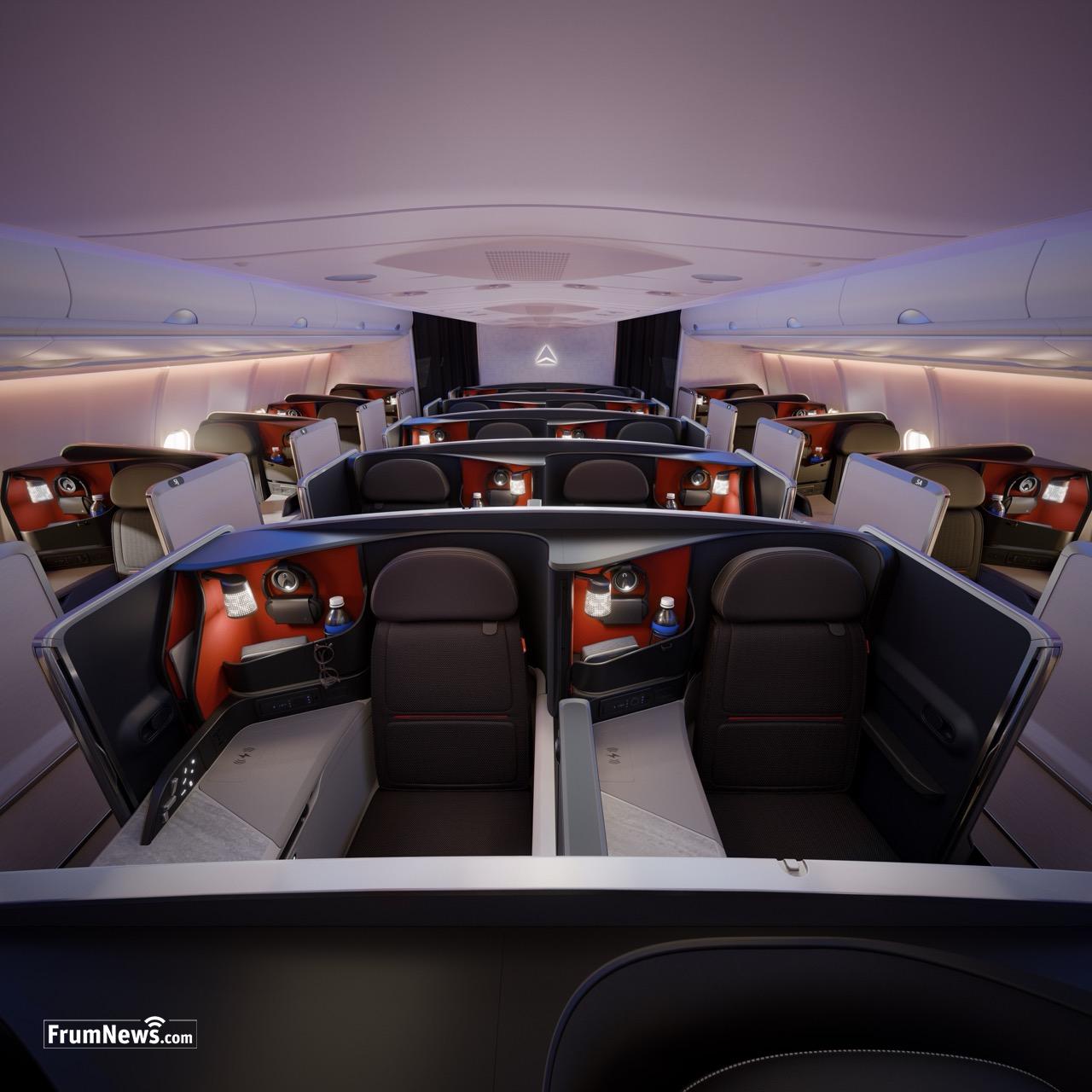
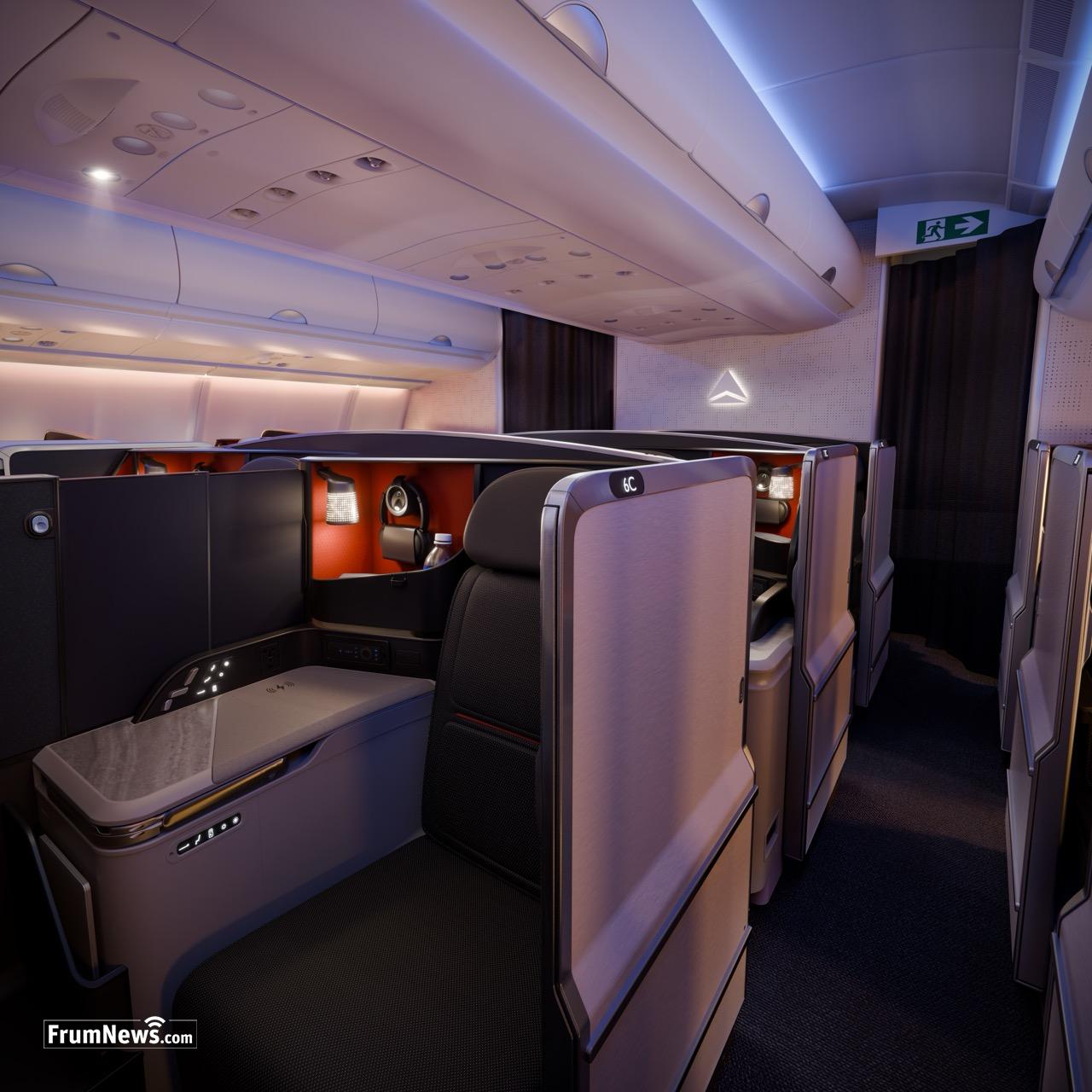
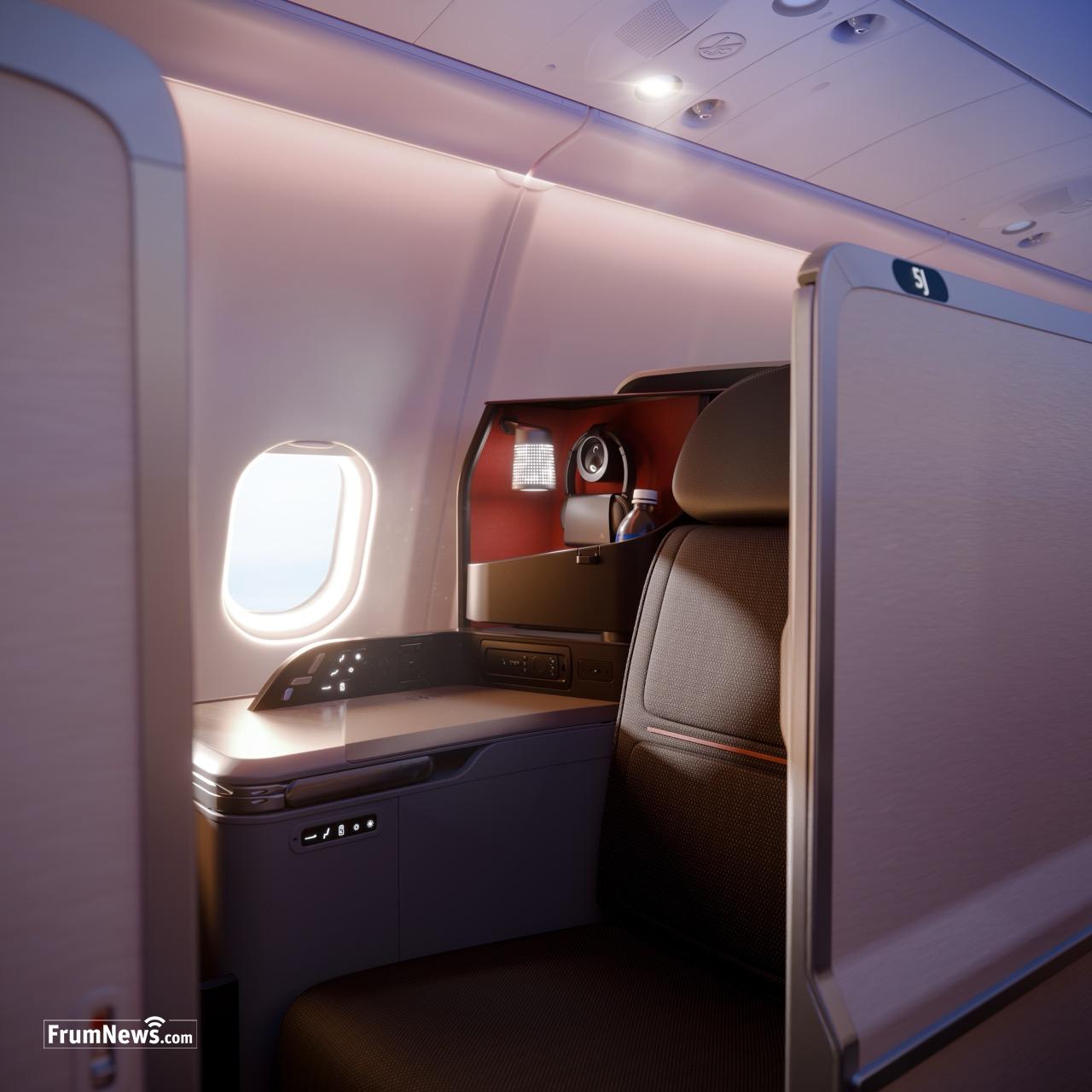
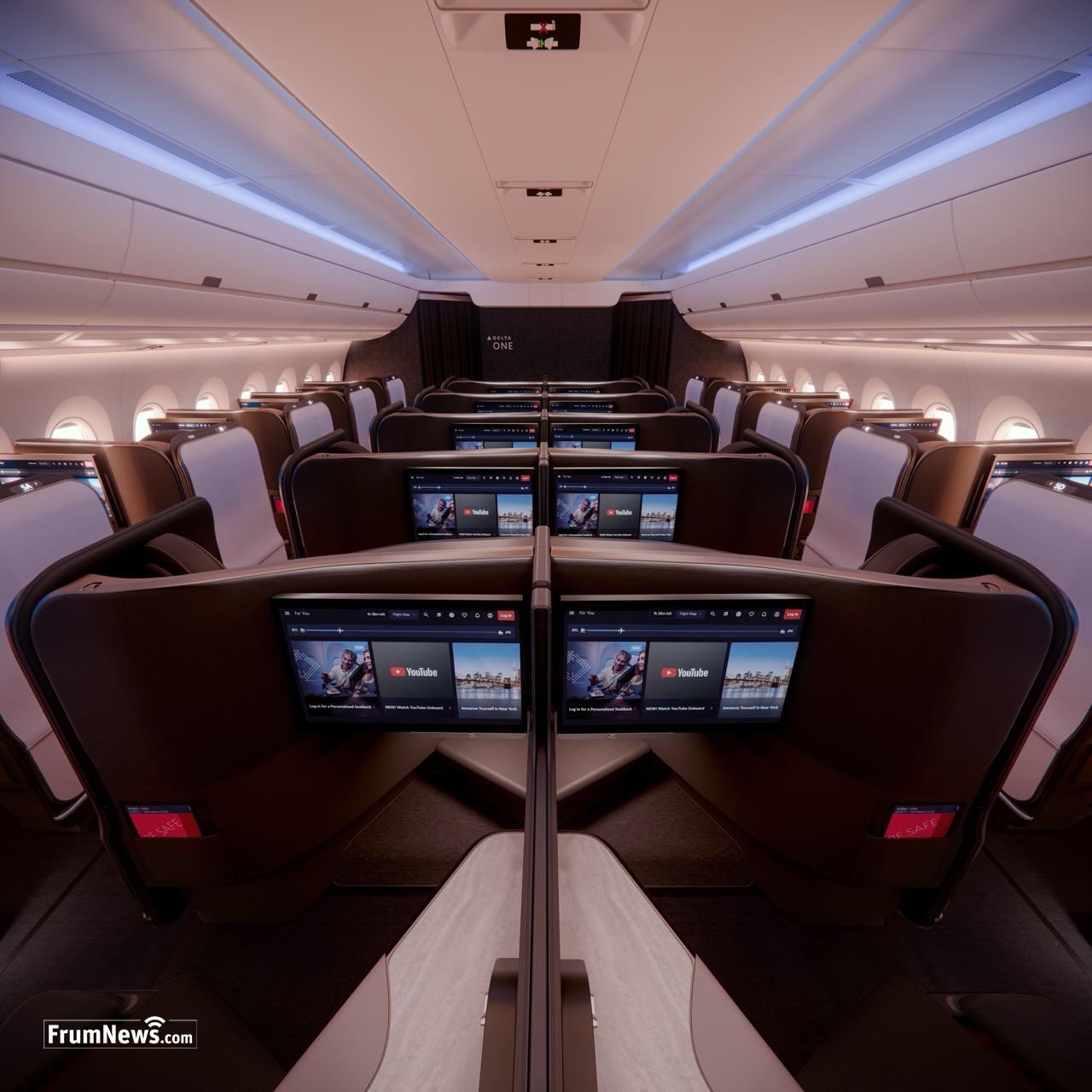
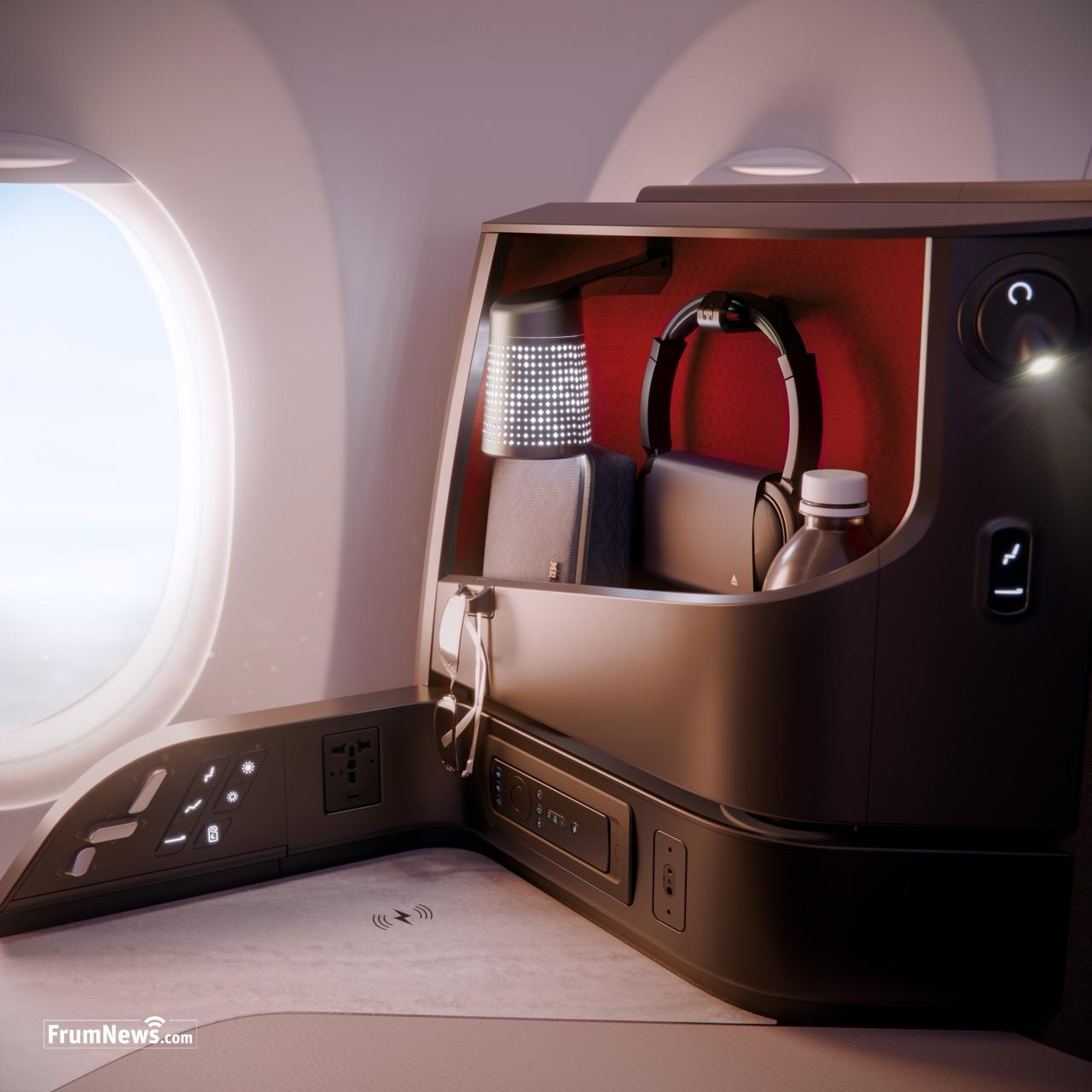
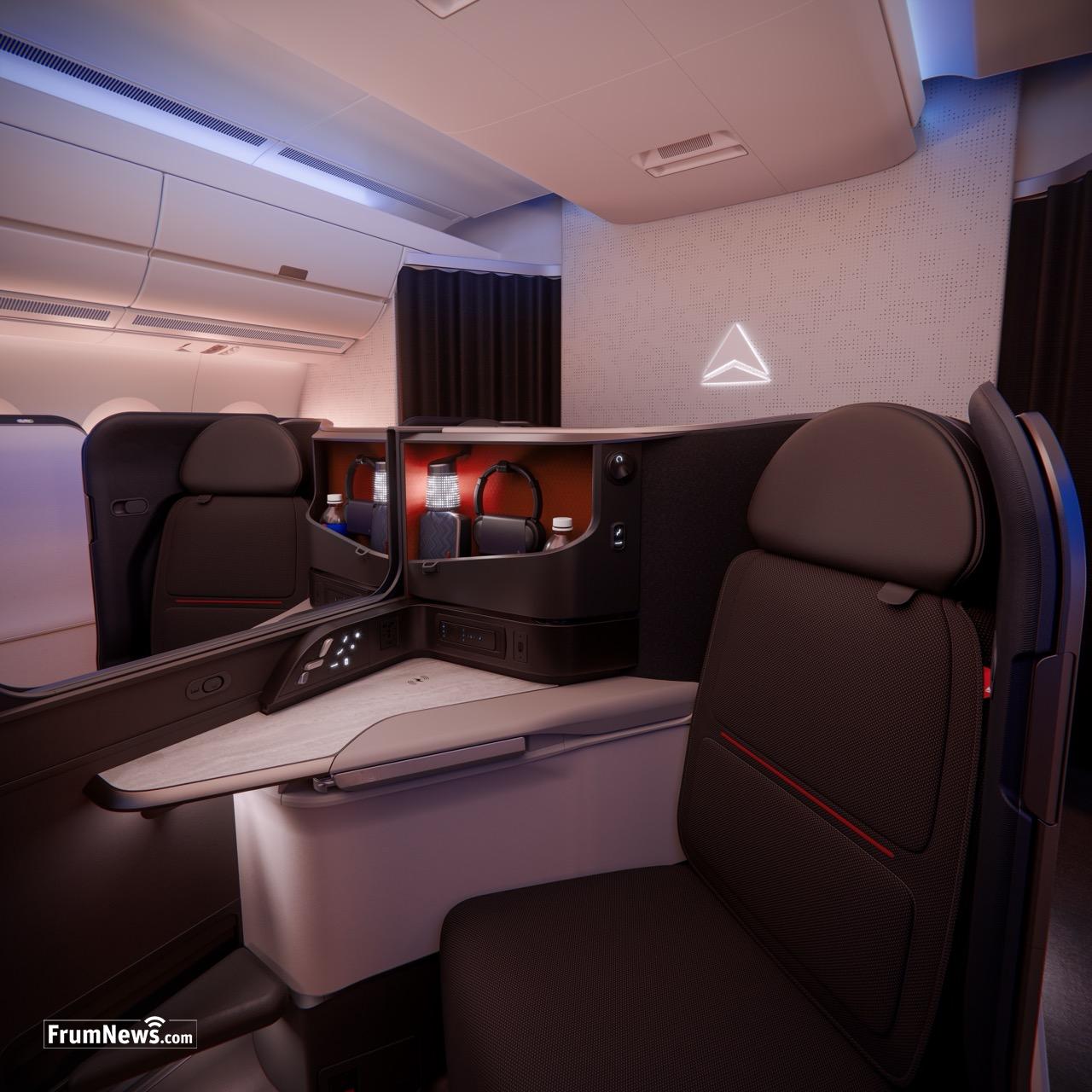
In a flashy announcement, Delta unveiled new next-generation Delta One suites for its new Airbus A350-1000—its largest aircraft.
Set to launch in 2027, this will be Delta’s most premium seat yet. According to the airline, the new suites follow “a two-year intentional design process and a decade of data from customers and employees alike.”
This follows United and American Airlines, which both announced their new suites with doors in the past year, named “United Elevated Polaris” and “Flagship Suite,” respectively, on their new aircraft, with some older ones getting retrofits. Alaska, which will launch flights to Europe later this month, also announced new suites.
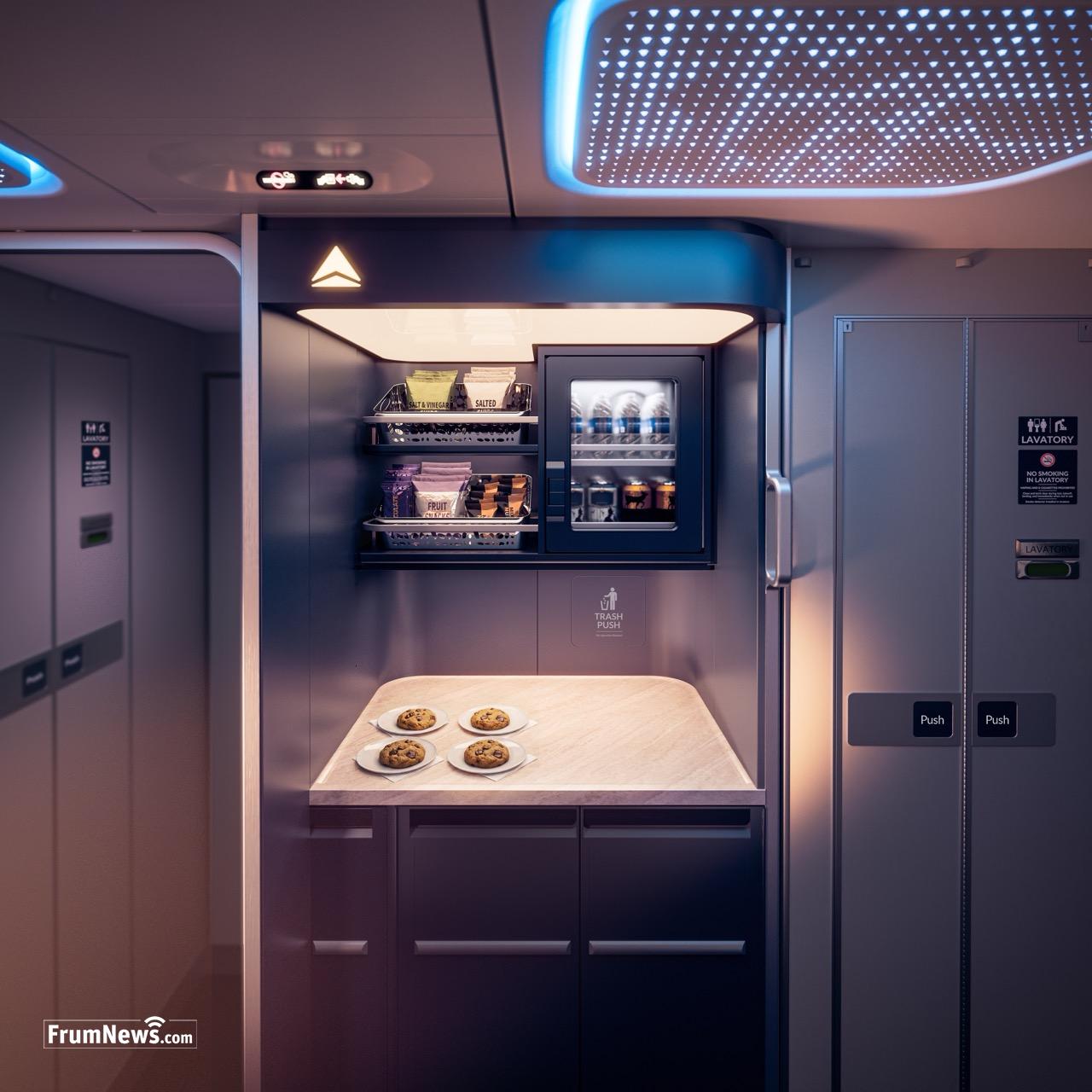
Delta will also retrofit Delta One suites to its Airbus A330-200/300 fleet for the first time as part of a nose-to-tail refresh and introduce an always-open self-serve snack station for Delta One customers—whether it will feature Kosher snacks, we’ll have to see.
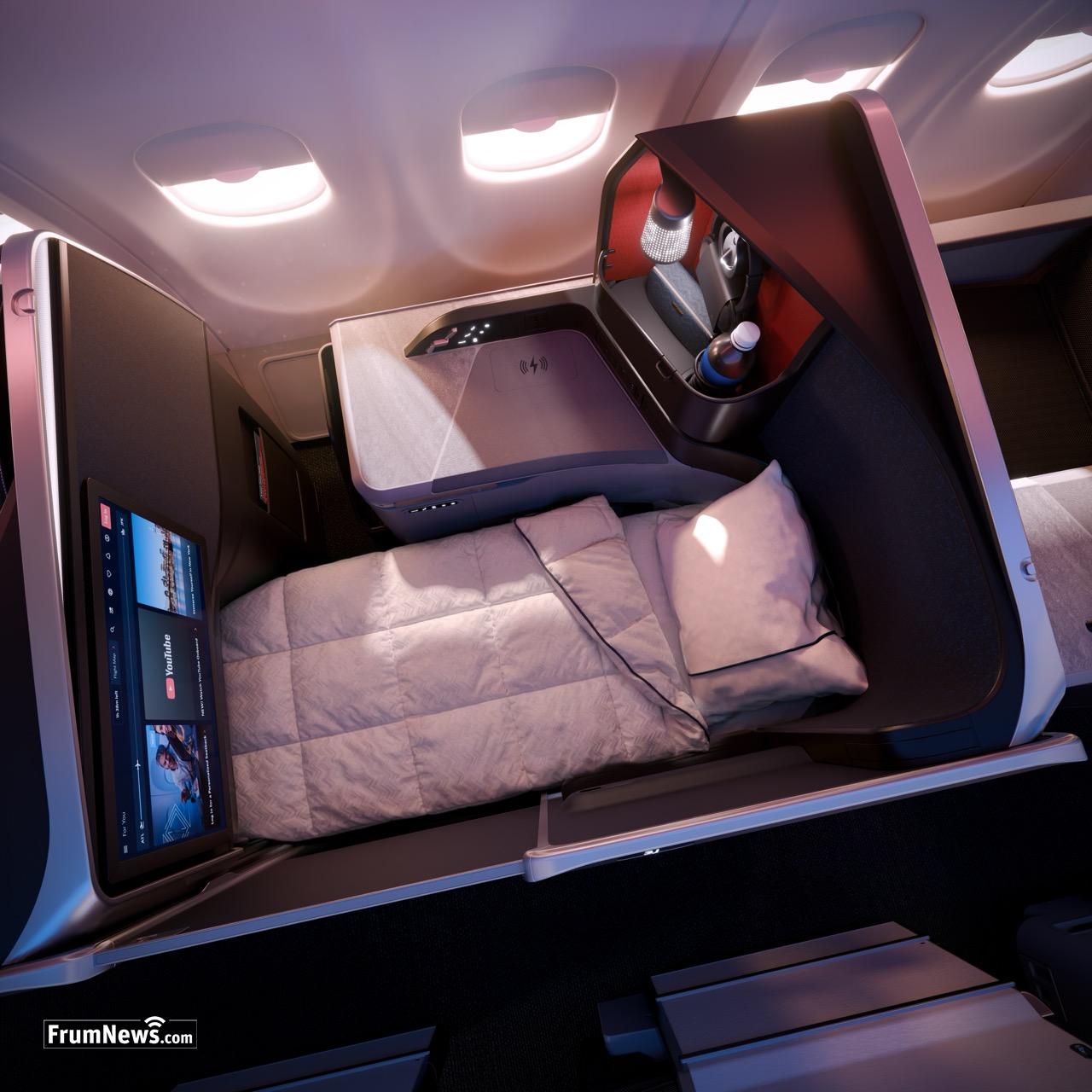
Delta said that every seat in every cabin on both fleets — the A350-1000 and refreshed A330-200/300 — will feature Delta’s largest seatback screens ever, featuring HD quality, Bluetooth, USB-C and universal AC power outlets, and memory foam cushions.
Unlike United, which equips its long-haul widebody aircraft with the same Polaris business-class seats, Delta offers a mix of suite types across its widebody fleet—resulting in an inconsistent experience that will likely continue. This could change as Delta expects to retrofit over 800 aircraft with new interiors and will retire its oldest aircraft over the coming years.
“Every time a customer boards a Delta flight, the experience and surroundings should feel familiar — creating a sense of home and comfort when you’re away,” said Mauricio Parise, vice president of Brand Experience. “That was the driving factor behind every intentional design feature and investment we made in developing our brand new A350-1000 experience, which we extended through nose-to-tail upgrades of our A330-200/300s and will continue to roll out across our fleet.”
Delta said the new seats come after months of research and feedback with its Members, “customers are clear that comfort is their number one priority when flying Delta One — 97% say Delta’s flat-bed is the reason for choosing the cabin,” Parise said. “This led us to a new design that, when combined with our current mattress pad and luxury bedding from Missoni, makes for an incomparable sleep at 30,000 feet.”
Like United, Delta is introducing a dedicated refreshment station for Delta One customers located at the main entryway on the A350-1000 and at the front of the A330-200/300. “Whether stretching your legs or simply in the mood for something between services, it’s there for you any time — no waiting.”
-
Photos: Delta Airlines
-
 Photos: Delta Airlines
 -
 Photos: Delta Airlines
 -
 Photos: Delta Airlines
 -
 Photos: Delta Airlines
 -
 Photos: Delta Airlines
 -
 Photos: Delta Airlines
 -
 Photos: Delta Airlines
The Competition Heats Up
While Delta would likely have launched the new seats anyway, the upmarket push from its competitors —American, Alaska, and, most importantly, United—pushed Delta upmarket.
In the post COVID-era, the competition for high-paying business or leisure customers is heating up with new suites and better lounges. United is wooing away frequent fliers from Delta and has a larger international reach in Asia and Australia. American, which has been floundering, is looking to add seat-back screens to its domestic fleet and controls the Caribbean and South American markets. Alaska is fighting back against Delta in Seattle, and to a lesser extent, JetBlue (which has a deal with United) in Boston and New York.
-
 United's Elevated Polaris suites. Credit: United
U.S. airlines are pushing at an unprecedented rate, though still lacking in certain areas, competing head-to-head with Delta.
The market is ever-growing and competitive, even as some come and go or merge. In the end its Delta’s market to lose. However, Delta is not sitting idle, and—with $14 billion in revenue in its first quarter of 2026 alone—it knows how to win.
“They have assets – a strong balance sheet, strong control of many of their partners through ownership stakes, and great slot and gate portfolios,” Gary Leff wrote on his View from the Wing blog. “They built a brand that created a halo, helped drive card adoption and spend, and that they’re now living off of.”