
 Vos Iz Neias
Rockland County Legislature Overhauls Home Improvement Contractor Licensing Rules
ROCKLAND COUNTY, NY (VINnews)- In a move that has sparked strong reactions from both contractors and residents, Rockland County lawmakers voted Tuesday evening to significantly scale back the county’s home improvement contractor licensing requirements.
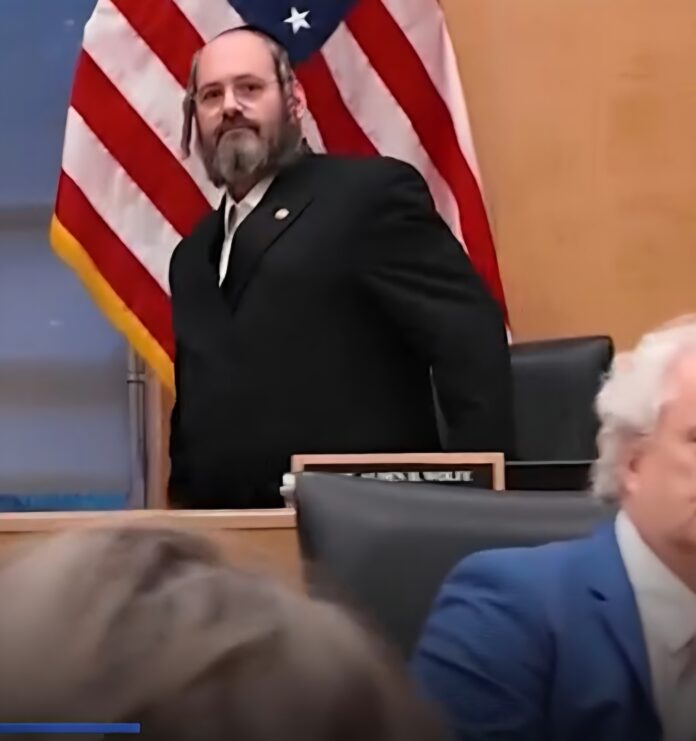
The Rockland County Legislature approved amendments to the Home Improvement Law, dissolving the existing Home Improvement Licensing Board and shifting primary licensing authority to the Legislature itself. The changes passed overwhelmingly by a vote of 14-1, with two legislators absent.
Under the new rules, the former licensing board will be reduced to an advisory role, losing its power to issue or revoke licenses. Licensing responsibilities will now fall under the Rockland County Legislature, with the process streamlined to align more closely with the model used in neighboring Westchester County.
Supporters of the overhaul argue that the previous system imposed excessive red tape, limited the number of available contractors, and created unnecessary barriers for small businesses and homeowners seeking services. They say the reforms will make the process more business-friendly while preserving essential consumer protections.
The public hearing preceding the vote was tense, with tempers flaring as contractors, homeowners, and other stakeholders voiced sharply divided opinions. At one point, the discussion was paused after tensions escalated, leading the Legislature chair to order one individual removed from the meeting.
Opponents, including some residents and County Executive Ed Day, have expressed concern that lowering standards could reduce oversight and potentially expose homeowners to unqualified or unethical contractors.
The changes are expected to take effect in the coming weeks, with officials anticipating a more efficient licensing system that could benefit local businesses and increase options for county residents undertaking home improvement projects.
VINnews will continue to monitor developments and any potential legal or administrative challenges to the new regulations.