
 Matzav
Fake Currency Flood Hits Tiveriah, Leaving Local Businesses With Heavy Losses
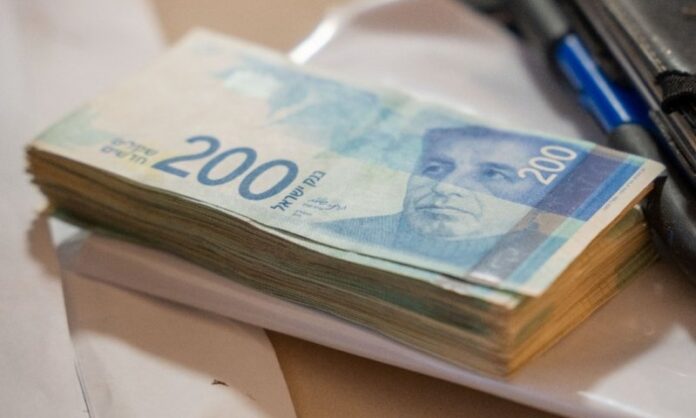
Business owners in the Shikun Dalet neighborhood and the municipal market in Tiveriah are reporting a widespread fraud scheme after a recent surge of high-quality counterfeit 200-shekel bills circulated through the area. According to multiple accounts, groups of young individuals purchased large quantities of food, clothing, and footwear using fake cash that was convincing enough to pass even electronic verification machines. In many cases, unsuspecting merchants accepted the bills and even returned legitimate change, only to later discover the deception.
As reported by Mako, the scheme only came to light when store owners attempted to deposit their daily earnings at the bank. One local shopkeeper described the moment he realized what had happened: “At the end of the day, I went to deposit the money at the bank. The next day I got a message that at least 15 of the 200-shekel bills were fake. And the same thing happened to other shop owners and market vendors.”
Another merchant, who operates a clothing and footwear business, said he suffered significant losses after falling victim to the scam. “They looked like trustworthy young guys, not the type who come to rip you off or pull a scam,” he recalled. “They made purchases worth several thousand shekels and said a close friend of theirs was getting married. The next day I deposited the bills in an envelope at the bank and was told they were fake. That’s a loss of 5,000 shekels. After the war we took a serious economic hit, and probably our eagerness to sell merchandise we were stuck with — along with the damage we suffered from being closed during the war — caused us not to check the bills.”
Authorities and sources familiar with the issue say the operation appears to be part of a larger, organized counterfeit network. Criminal groups reportedly conducted preliminary “test” purchases to gauge whether merchants would detect the fake bills. Once they realized checks were minimal or ineffective, they escalated to purchases totaling tens of thousands of shekels.
Investigators estimate that around ten underground counterfeit printing operations are currently active in northern Eretz Yisroel and areas under Palestinian Authority control, many located in Arab-sector communities. Much of the counterfeit currency is distributed through Telegram channels, which also offer forged biometric IDs, driver’s licenses, and passports. Profits from these operations can reach as much as five million shekels in a strong month. Bills that are not sold directly are reportedly circulated by members of criminal organizations and their relatives, who use them to purchase everyday goods and produce in local markets.
A criminal figure from northern Eretz Yisroel described how easily the scam works, especially in busy marketplaces. “The easiest place to use fake bills is in markets. Most vendors don’t have special machines and they just take the bills and put them in their pocket without checking. It’s very easy to fool them. The bills then get passed on to suppliers, and if no one catches it, they go through many hands. Only at the bank is the forgery discovered, but by then it’s too late for the business owners.” In some cases where the counterfeit was identified immediately, the suspects simply switched to 100-shekel notes and claimed they were unaware the earlier bills were fake.