 Vos Iz Neias
Chabad Emissaries Gather in Mykonos, Turning Greek Island Into Hub of Global Jewish Renewal
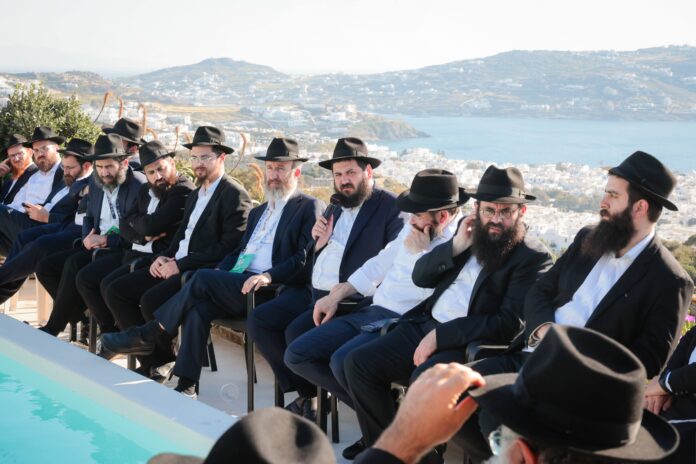
MYKONOS, Greece (VINnews) — For two days last week, the sun-soaked island of Mykonos, better known for beaches and nightlife than Jewish communal life, became an unlikely nerve center of global Jewish continuity.
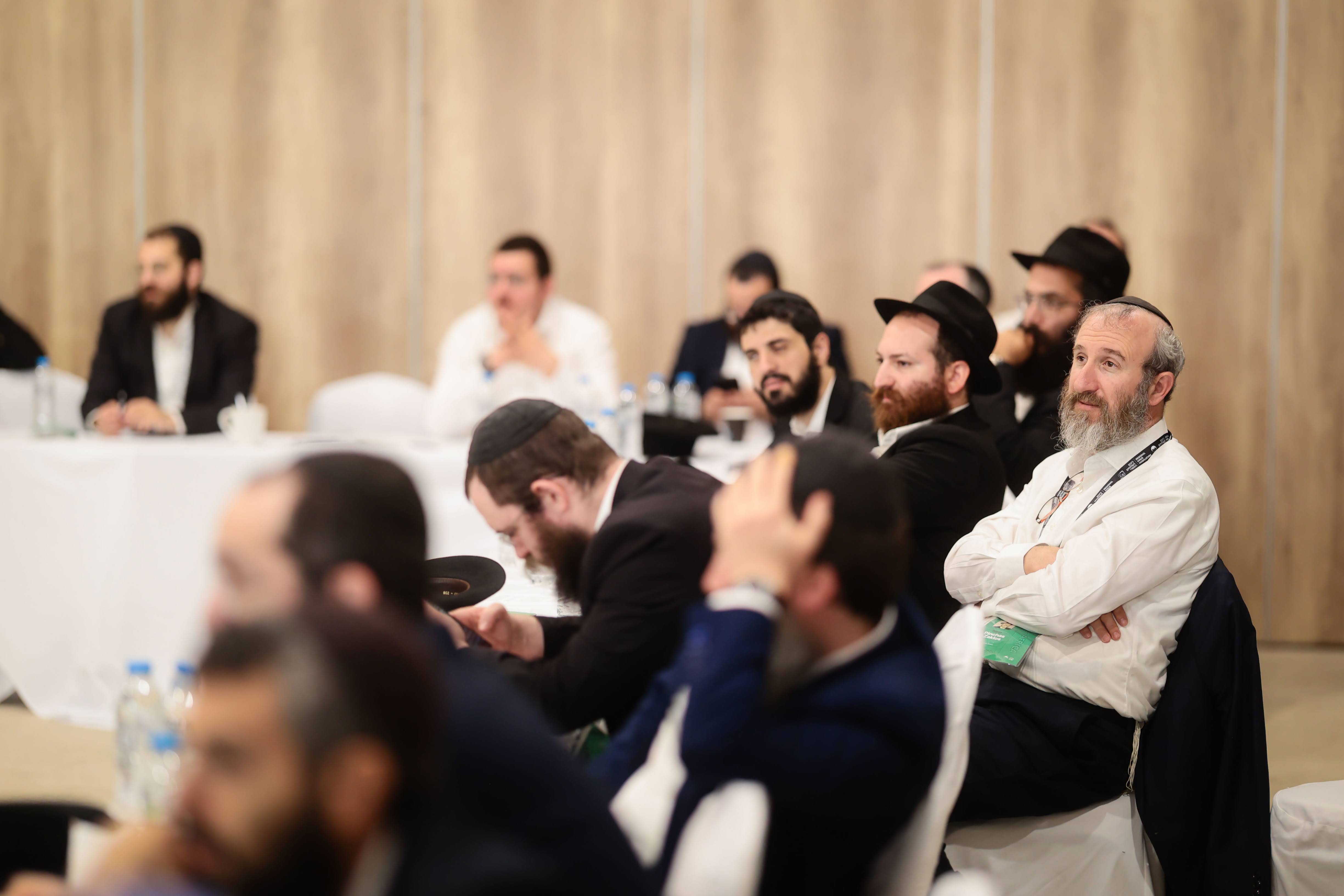
Dozens of Chabad emissaries — men and women serving as the primary Jewish presence across 43 countries in Europe, the Middle East and Africa — gathered for a regional summit focused on strategy, collaboration and the realities of sustaining Jewish life in places where, in many cases, they are the only Jewish address.
Hosted by Greece’s regional Chabad leaders, Rabbi Mendel and Nechama Hendel, together with Mykonos emissaries Rabbi Ouziel Moshe and Shterna Sarah Friedland, the two-day summit blended strategic planning with workshops, educational sessions and informal late-night discussions that participants described as both professionally valuable and personally uplifting.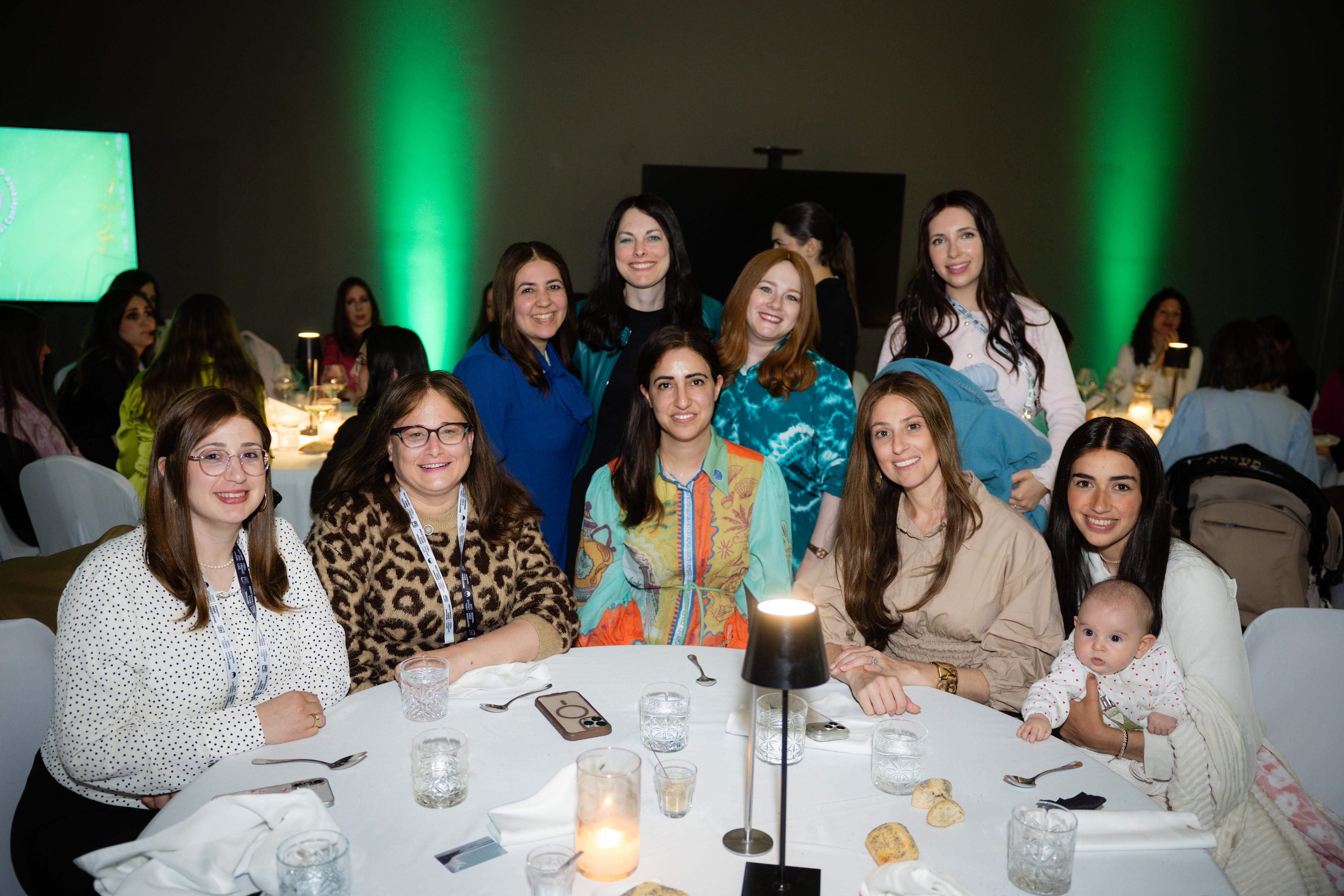
At a time when much attention has focused on declining religious affiliation and rising antisemitism across Europe, the tone emerging from the gathering was markedly different — one of expansion and resilience.
“The emissaries are the Jewish people’s global support system,” said Rabbi Mendy Kotlarsky, who oversees the international network. “In many of these countries, when someone arrives, whether for business, travel or relocation, the local Chabad is often the only familiar address. Our responsibility is to make sure no one feels alone.”
Participants represented communities where Jewish populations are often small, dispersed and geographically isolated. Yet many described a common trend: people once disconnected from Jewish life are increasingly seeking meaningful connection when even modest opportunities are created.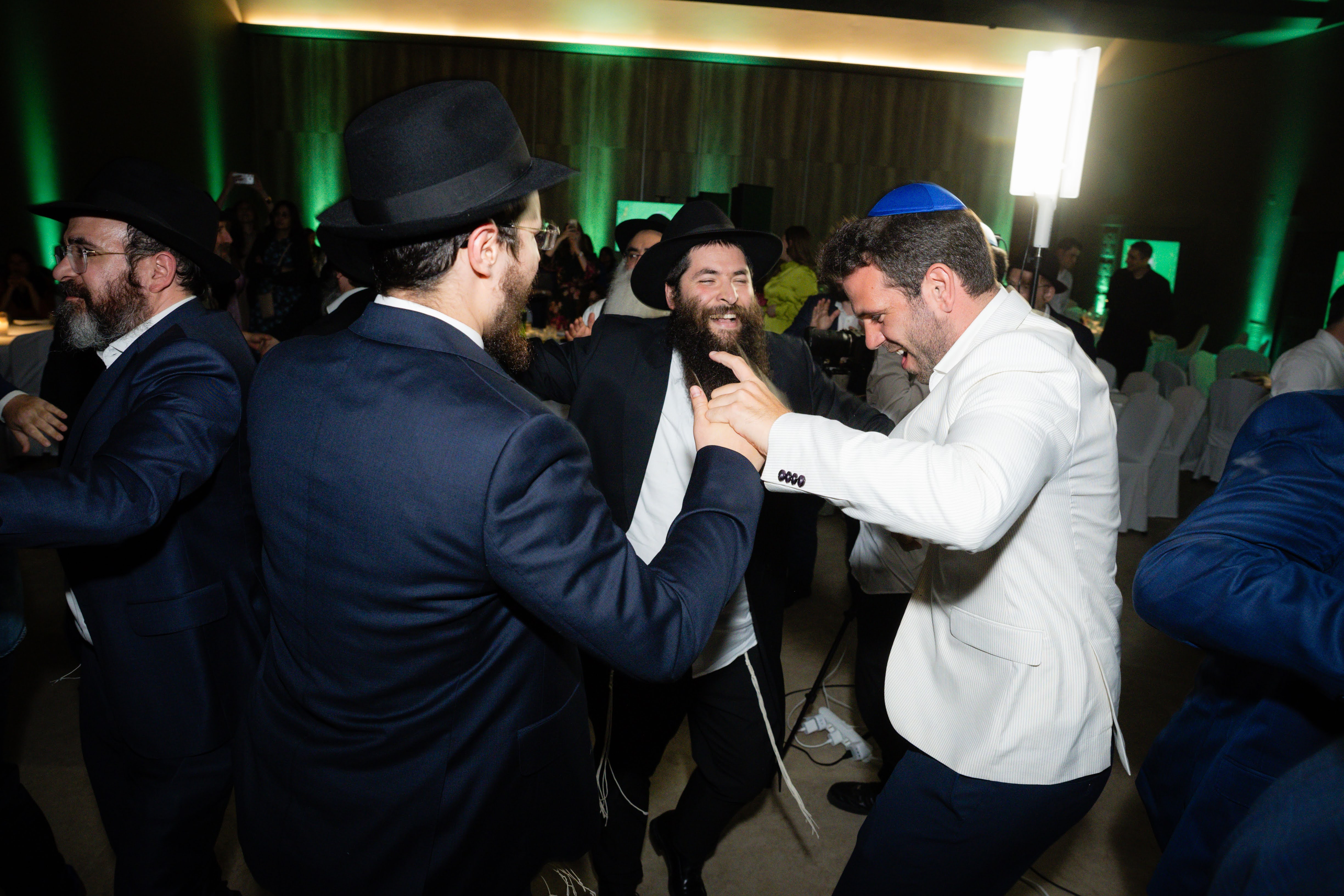
For Rabbi Mendy Sternbach, who serves in Lagos, that dynamic is deeply personal.
“Living in a small community means relationships are everything,” he said. “You can’t afford to let anyone fall through the cracks.”
Sternbach said even attending the summit required sacrifice.
“It’s a long and expensive journey, but my community encourages it, because they know they benefit from what I bring back,” he said.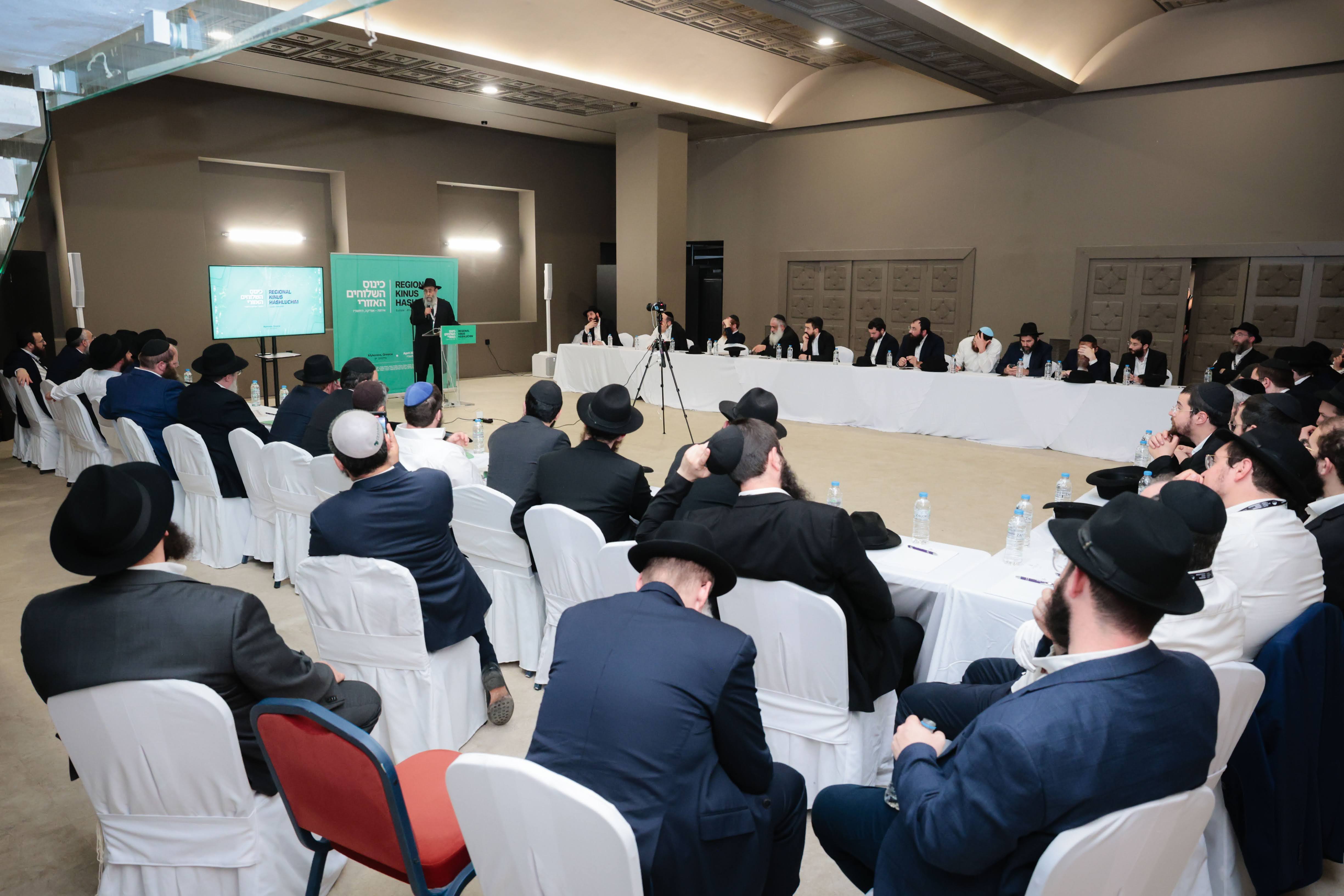
Sessions throughout the gathering addressed practical challenges ranging from time management and community leadership to navigating global tensions in vulnerable Jewish communities. Workshops featured senior educators and rabbis, while shorter presentations showcased grassroots innovations — from transforming tourist encounters into lasting communal relationships to building Jewish infrastructure where little existed before.
“There’s a misconception that Jewish life outside major centers is fading,” Kotlarsky said. “What we’re seeing is the opposite. When you create access, when you show up consistently, people respond. Communities are being built one relationship at a time.”
Technology also figured prominently in discussions, with emissaries exploring digital learning platforms and artificial intelligence tools to reach Jews in remote regions. Youth programming — including children’s initiatives, teen networks and young professional communities — was described as a growing focus, particularly in places where younger Jews often feel isolated.
The summit concluded with a formal banquet and closing session, sending participants back to their communities with renewed energy and strengthened ties.
“This gathering was something deeply strengthening, both for the Jews who live here and for local business owners and visitors,” Rabbi Friedland said. “Mykonos is not a place where Torah and Jewish life have traditionally been strongly felt. Yet this went far beyond a minyan or a single gathering. The atmosphere filled the entire environment, bringing a true sense of Jewish life and spiritual warmth.”
If a single message emerged from Mykonos, participants said, it was one of quiet determination: that even in places where organized Jewish life once seemed unlikely, it is not only enduring — but growing.