
 Yeshiva World News
U.S. Mulls Permanent Military Presence in Israel Amid Deepening Defense Ties
The Pentagon is considering a long-term or even permanent military presence in Israel, according to Israeli security officials, as the two allies draw closer after an unprecedented joint exercise that offered a deep look into each other’s capabilities and command centers.
The assessment, shared with Yisrael Hayom, comes on the heels of “Operation Roaring Lion/Epic Fury,” which saw U.S. personnel embedded in the IDF’s underground “pit” command center and senior Israeli Air Force officials in the U.S. — an exchange that removed long-standing barriers between the two militaries.
“There are American forces here that will not be moving in the near or even distant future,” a senior Israeli official said, speaking on condition of anonymity to discuss a sensitive diplomatic matter. “They have learned that Israel is a convenient fortress for operations, a country relatively far from the main threats and well protected by air defense systems.”
The official pointed to another key advantage: Israel, unlike other regional partners, imposes no restrictions on U.S. military activity or offensive operations.
The discussions reflect a broader realignment in the region as the U.S. looks to reposition forces amid tensions with Iran and uncertainty about the Pentagon’s future footprint.
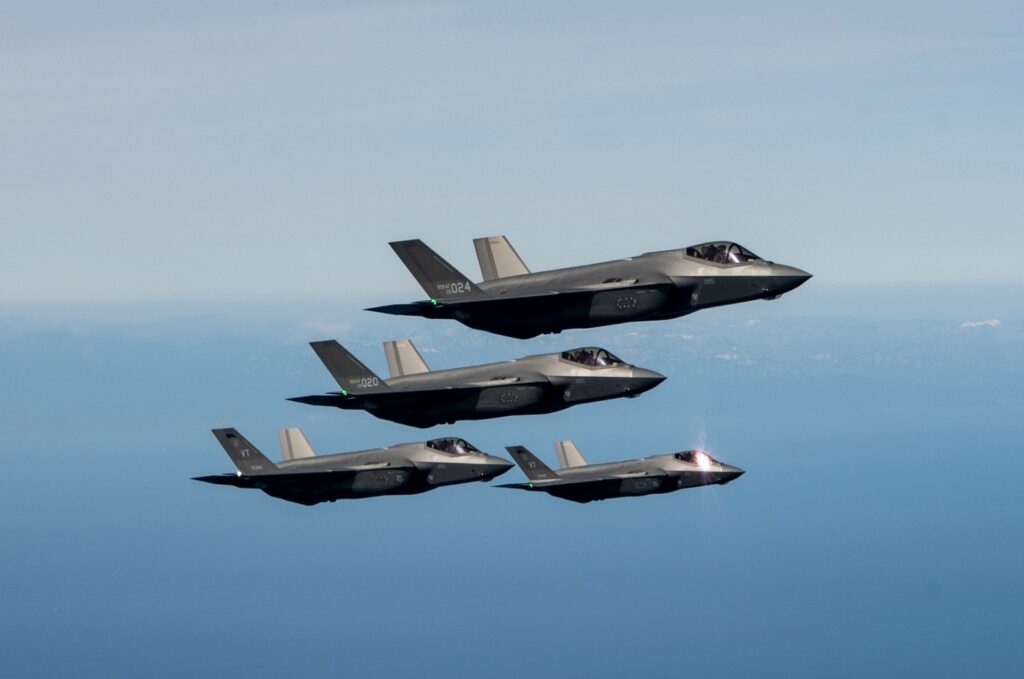
Israeli officials believe that the U.S. is currently drafting new Middle East policy documents that include a recommendation for a permanent military presence in the country. “It is still unclear whether this means defense batteries, fighter squadrons or other components,” one Israeli security official said, “but it is not inconceivable that the U.S.’s next base in the region will be in Israel.”
Both sides stress that even as the U.S. contemplates a larger presence, coordination between the IDF and the American military remains ironclad despite some policy gaps. “There is no scenario in which one side would be surprised by the other’s activity,” Israeli defense officials said.
That unity was on display during the change of command ceremony for the Israeli Air Force on May 5, when Lt. Gen. Derek France, commander of U.S. Air Forces Central Command, made clear that the current level of cooperation is the “baseline” and that there is no going back.
Still, the growing military ties have not translated into lockstep agreement on every front. Prime Minister Benjamin Netanyahu and President Donald Trump, while closely coordinating, do not see precisely eye-to-eye on how to approach challenges in Lebanon and Iran, according to the Israeli officials.
But as the U.S. eyes a potentially unprecedented permanent base in the heart of the Middle East’s most volatile region, both sides appear to be betting that their military bond will only grow tighter.
(YWN World Headquarters – NYC)