
 Yeshiva World News
IDF Chief Eyal Zamir Reportedly Visited UAE During Iran War in Sign of Deepening Military Ties
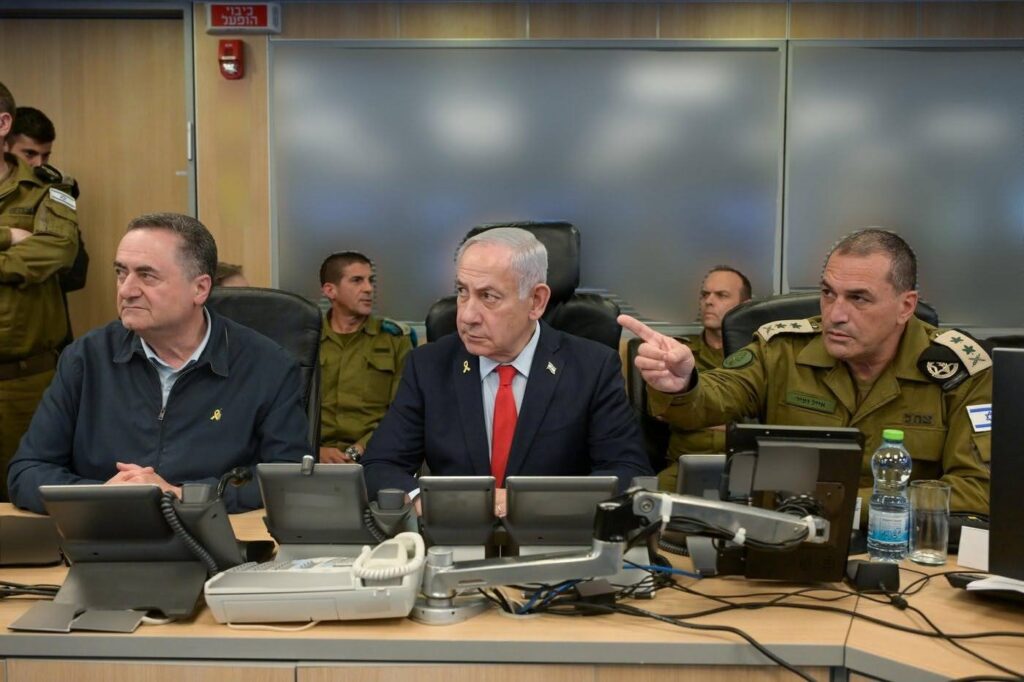
IDF Chief of Staff Lt. Gen. Eyal Zamir traveled to the United Arab Emirates during the war with Iran, the Kan public broadcaster reported Friday, the latest revelation pointing to the depth of military and intelligence cooperation between the two countries during the 11-week conflict.
Zamir was accompanied by other senior military officials, Kan reported. While in the country, he met with Emirati officials including UAE President Sheikh Mohammed bin Zayed. The Israeli military has not commented on the report.
A separate report by Walla, citing a security source, said Zamir’s delegation was joined by a U.S. delegation during the visit and that the meetings focused on strengthening cooperation across various scenarios in a war with Iran, including both defensive and offensive operations. The visit, security sources told Walla, reflected what they described as “exceptional strategic cooperation” between Israel and the UAE, a direct outgrowth of the Abraham Accords.
The disclosure follows Prime Minister Benjamin Netanyahu’s own announcement Wednesday that he had secretly visited the UAE during the war and met with Sheikh Mohammed bin Zayed, a claim the UAE denied. A source familiar with the details said Netanyahu and bin Zayed met in Al-Ain, an oasis city near the Oman border, on March 26, and that the meeting lasted several hours. Netanyahu’s office described it as a “historic breakthrough in relations between Israel and the United Arab Emirates.”
The UAE’s official WAM news agency denied the visit, saying the country’s relations with Israel “are public and conducted within the framework of the well-known and officially declared Abraham Accords, and are not based on non-transparent or unofficial arrangements.” The statement also denied that any Israeli military delegation had been received.
The denials reflect the political tightrope the UAE has walked throughout the war. Cooperation with Israel has deepened dramatically, but public sentiment across the Arab world remains hostile to overt Israeli engagement, particularly given the ongoing war in Gaza.
The Zamir visit is only the latest in a string of senior Israeli trips that have come to light in recent days. The Wall Street Journal reported that Mossad director David Barnea made at least two visits to the Gulf state during the war to coordinate military actions. Kan separately reported that Shin Bet chief David Zini also traveled to the UAE to increase coordination between the two countries’ intelligence and security agencies.
The two countries have reportedly worked together on coordinated attacks on Iran, intelligence sharing, detection and interception of Iranian missiles and drones, and the selection of Iranian targets. Bloomberg has reported that the UAE itself struck Iran multiple times during the war, in some cases in operations coordinated with Israel.
U.S. Ambassador to Israel Mike Huckabee previously confirmed previous reports that Israel had sent an Iron Dome air-defense battery to the UAE along with the soldiers to operate it – believed to be the first time the system has been deployed outside Israeli territory.
The UAE has come under sustained Iranian missile and drone fire throughout the conflict, including strikes on its Borouge petrochemicals facility and other infrastructure. Even after a ceasefire was reached last month, attacks have continued.
Iran reacted sharply to Netanyahu’s announcement of his alleged visit. Foreign Minister Abbas Araghchi posted on X that “enmity with the great people of Iran is a foolish gamble” and called collusion with Israel “unforgivable.” Without naming the UAE directly, he warned that “those colluding with Israel to sow division will be held to account.”
“Netanyahu has now publicly revealed what Iran’s security services long ago conveyed to our leadership,” Araghchi added, though he did not explain why Iran had not gone public earlier with the intelligence he claimed it had.
Israeli leaders have made occasional public visits to the UAE since the signing of the Abraham Accords in 2020, but the volume and seniority of wartime visits now coming to light – a prime minister, an IDF chief, and the heads of both major intelligence agencies -mark a level of overt strategic coordination that would have been unthinkable just a few years ago.
(YWN World Headquarters – NYC)