
[Communicated]
For many years, the subject of Har Habayis was viewed in much of the yeshivah world as a closed discussion. The prevailing attitude was simple: the area is overwhelmingly forbidden to enter, the dangers of כרת are severe, and the matter was not something the average frum Jew involved himself with.
But quietly, beneath the surface, something appears to be changing.
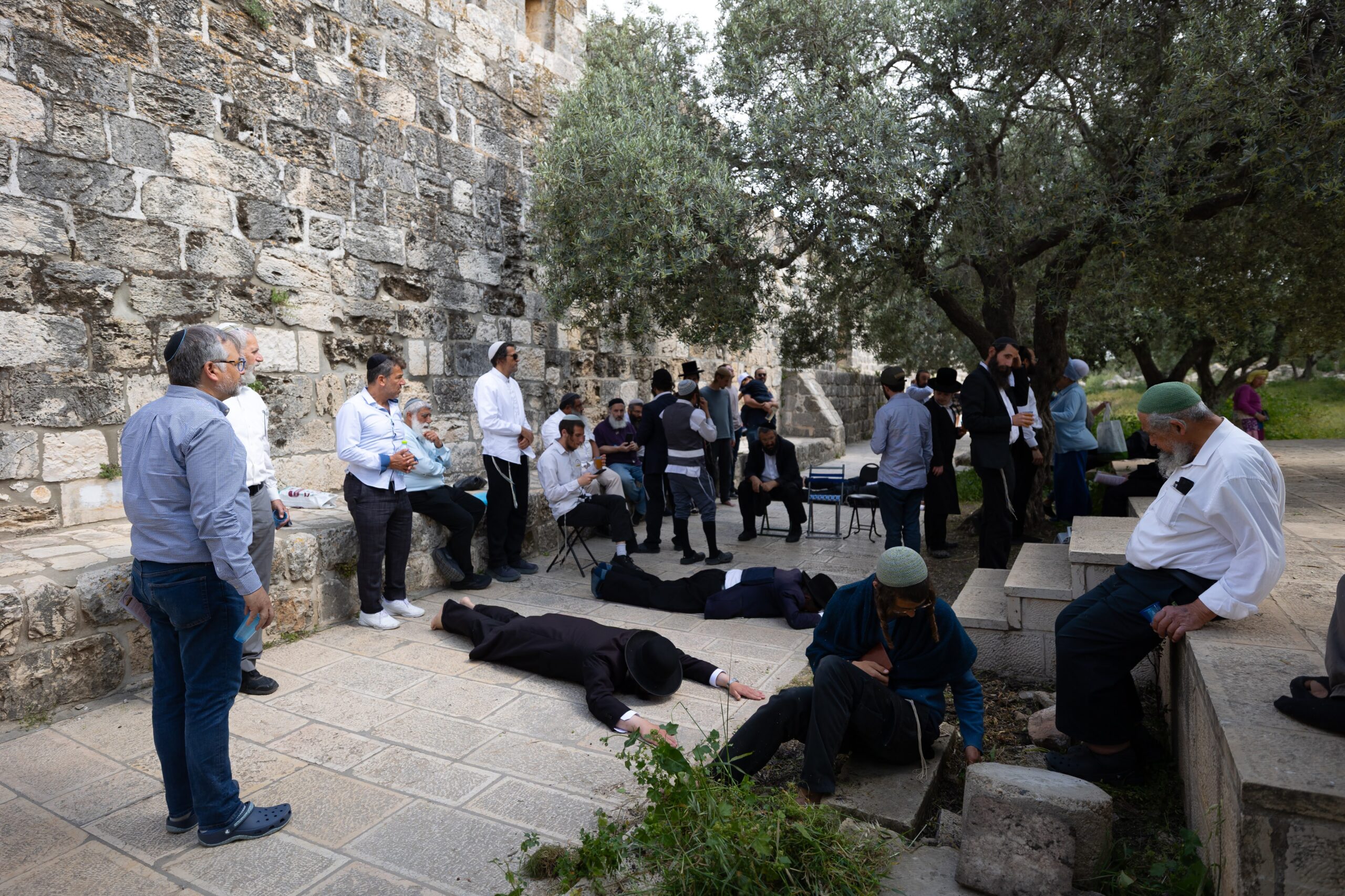
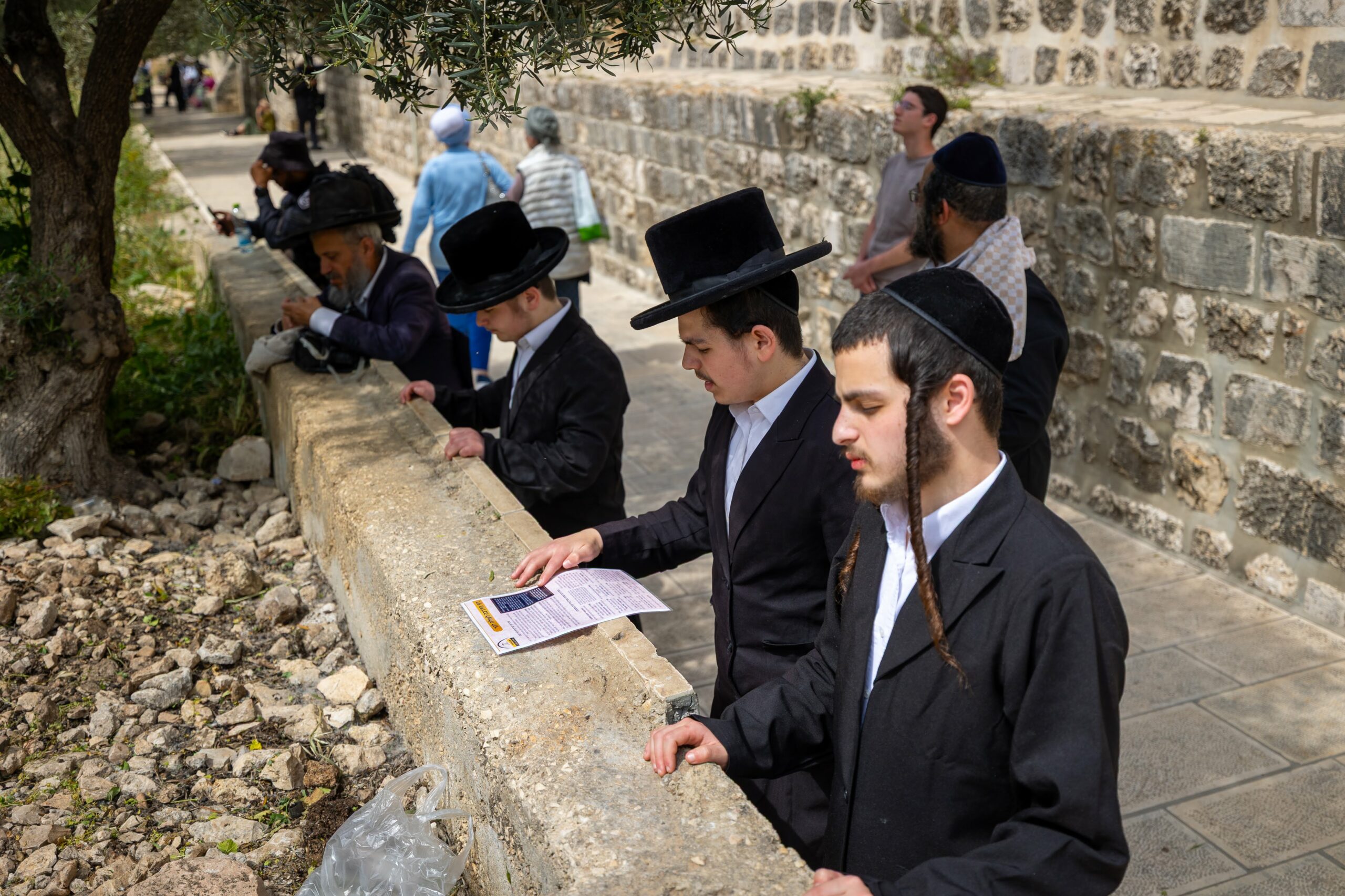
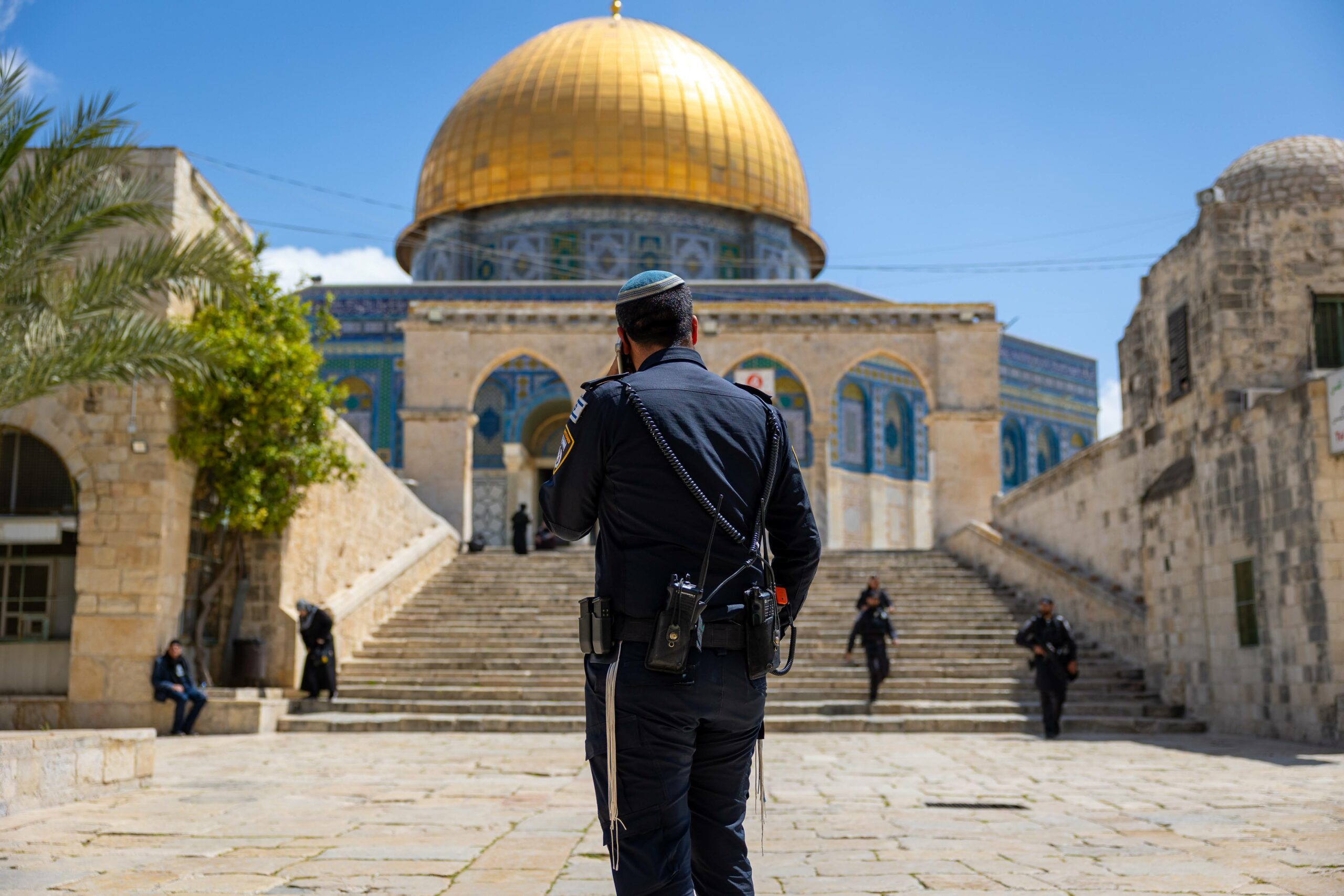
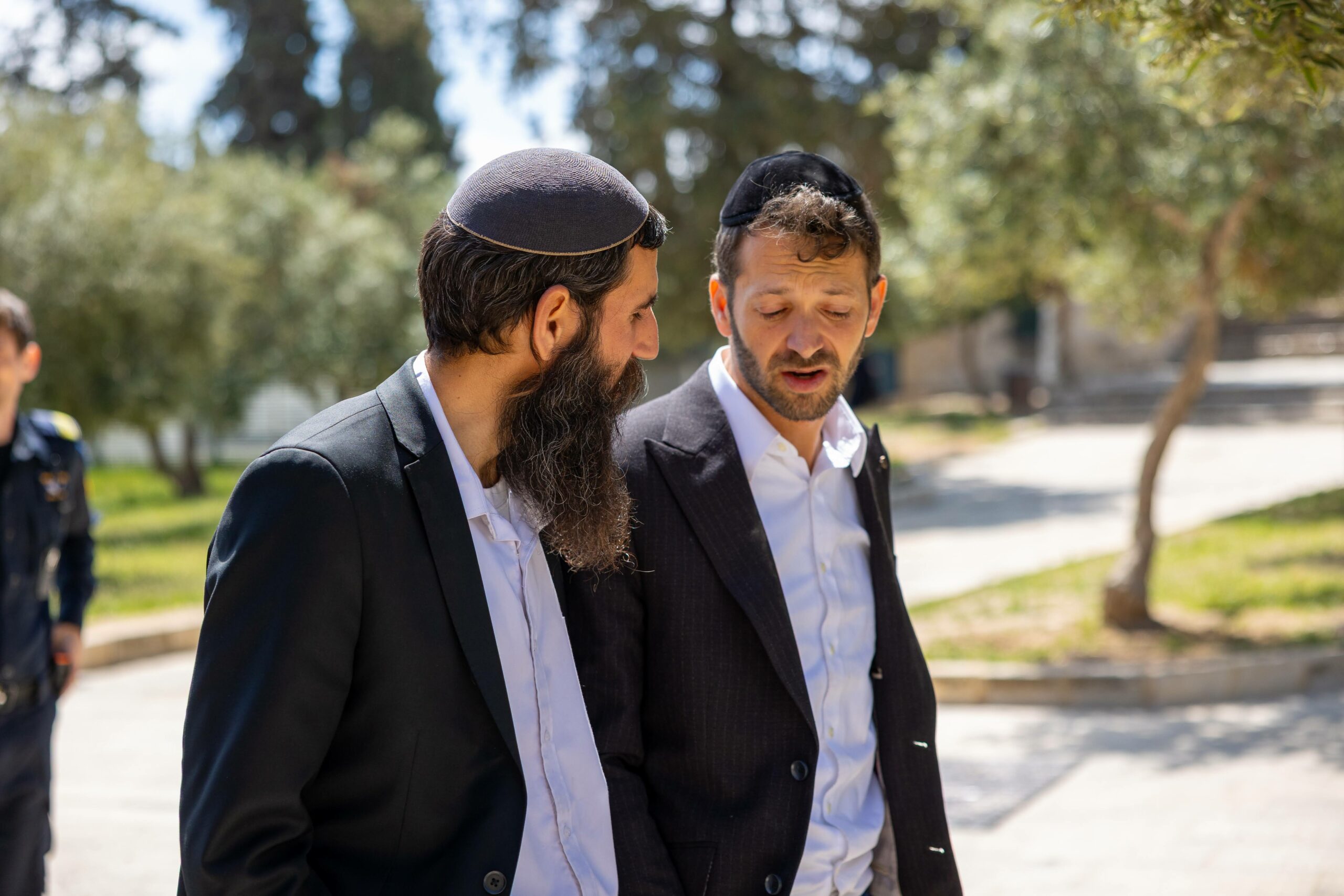
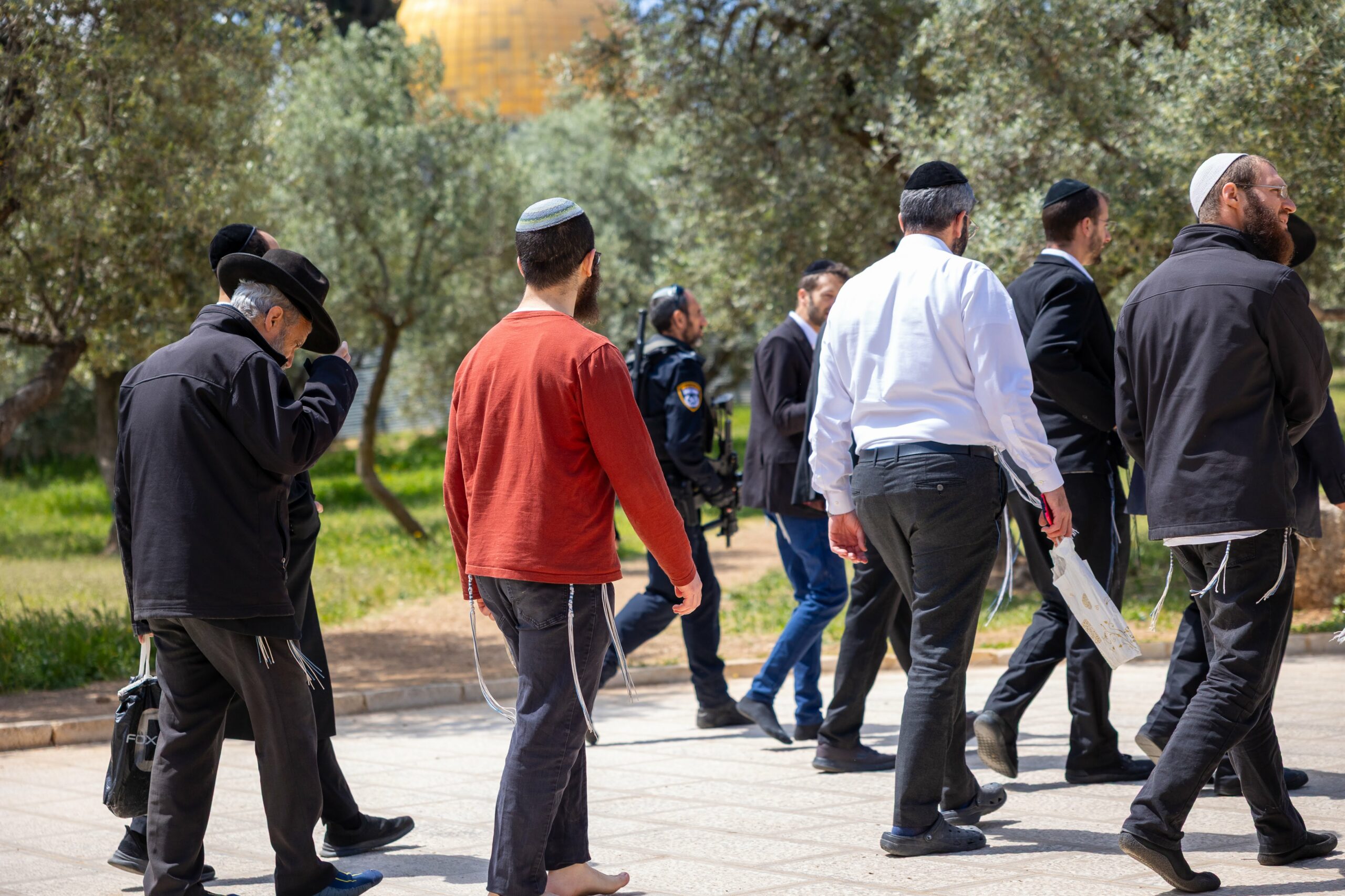
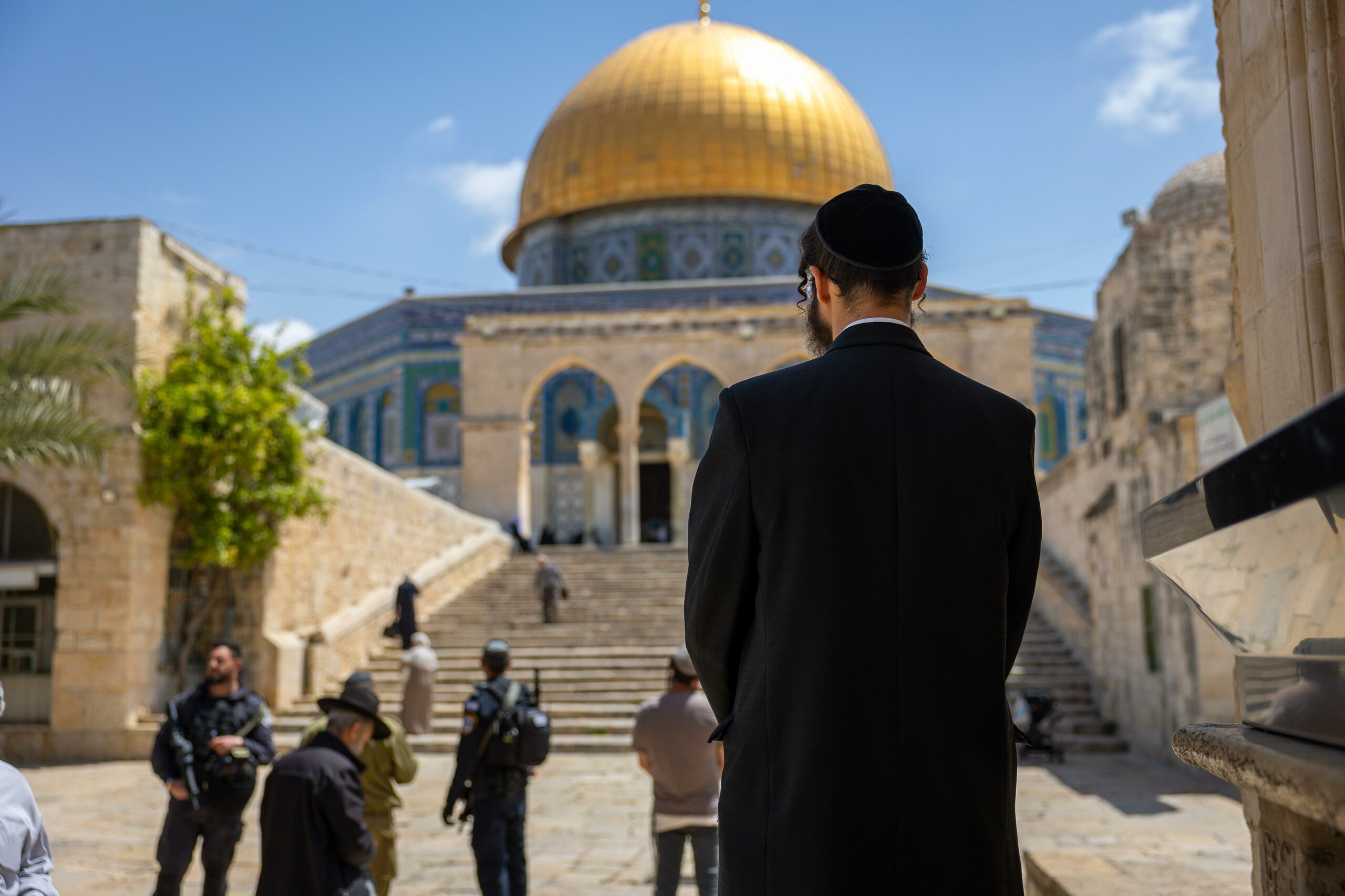
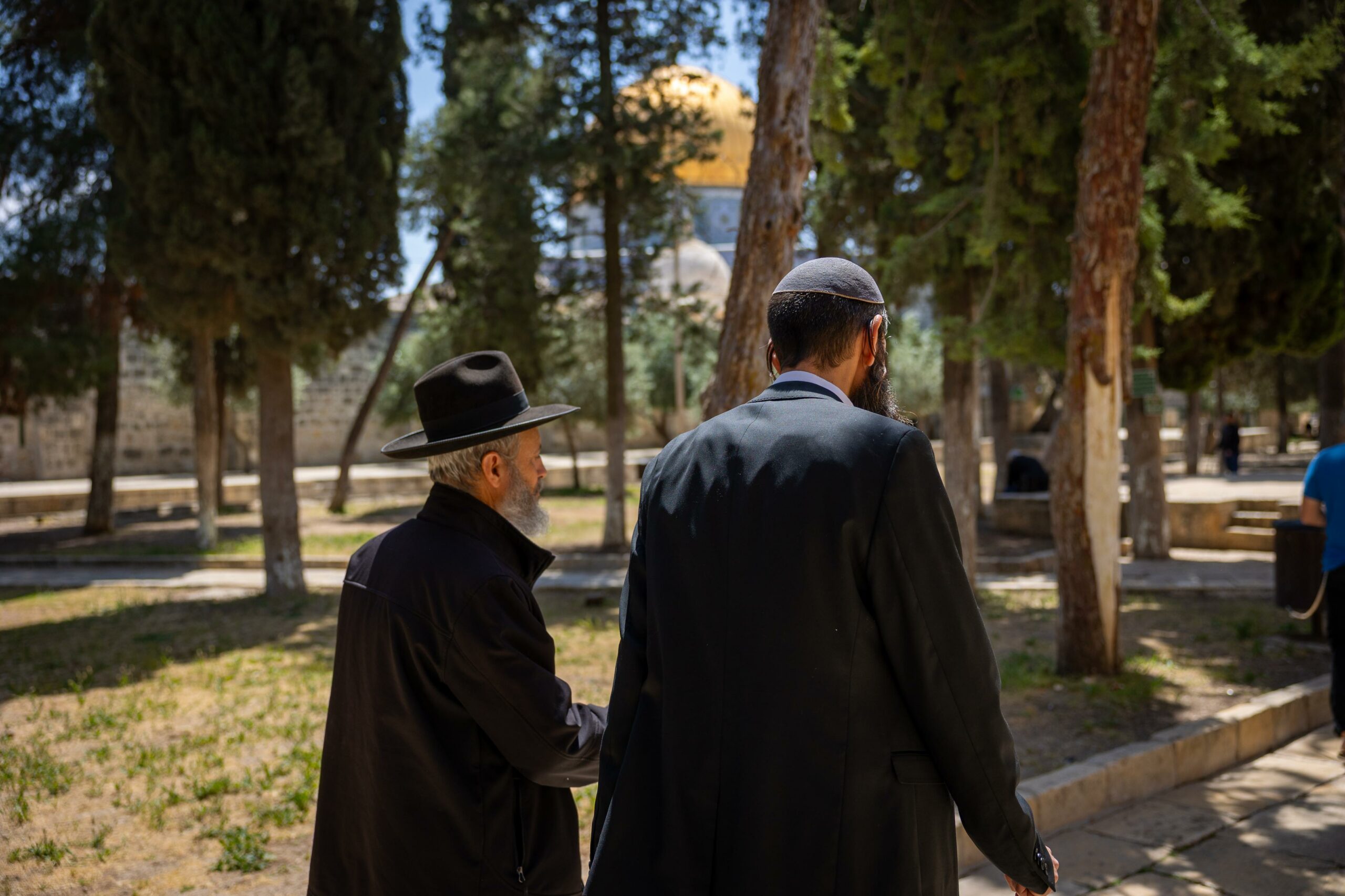
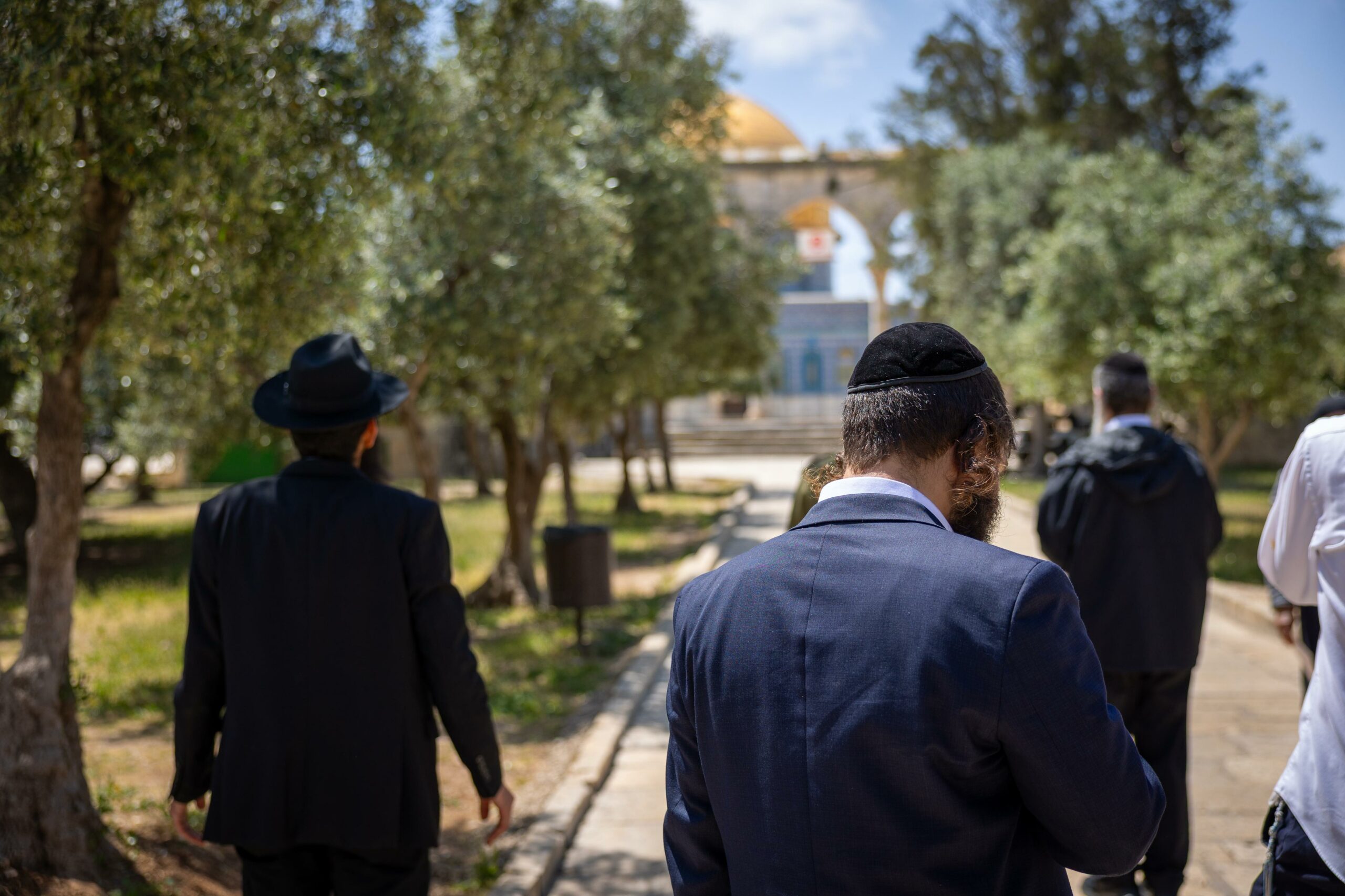
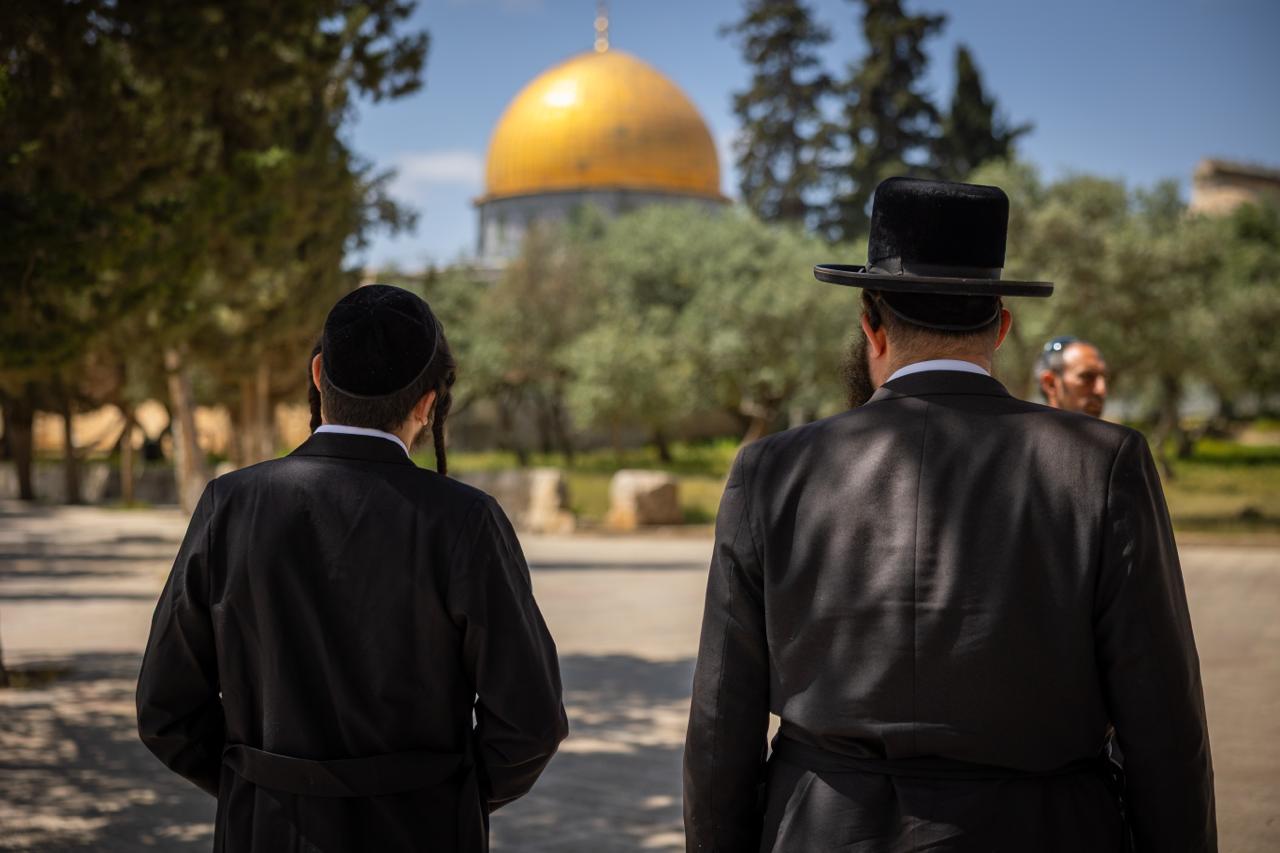
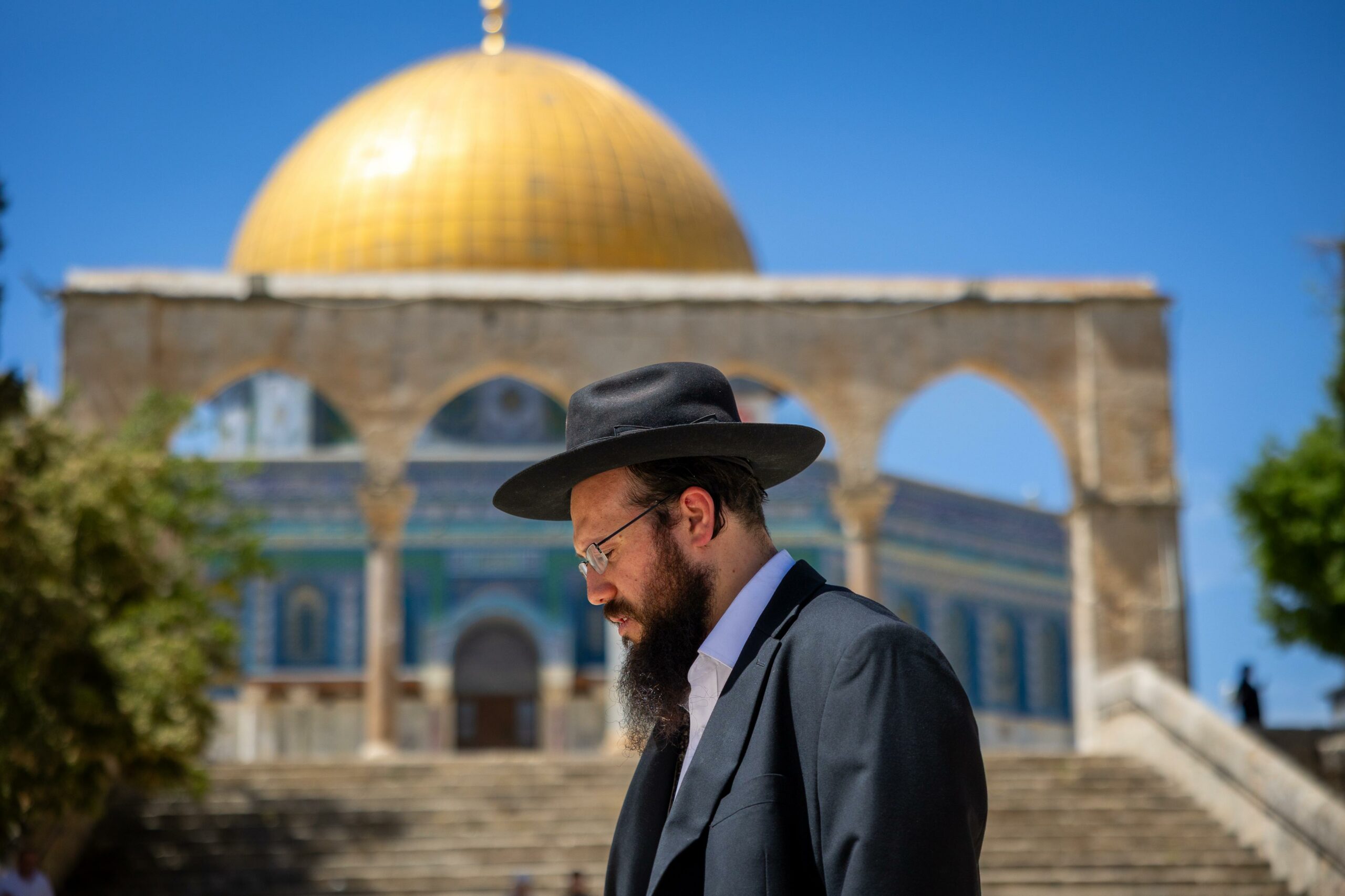
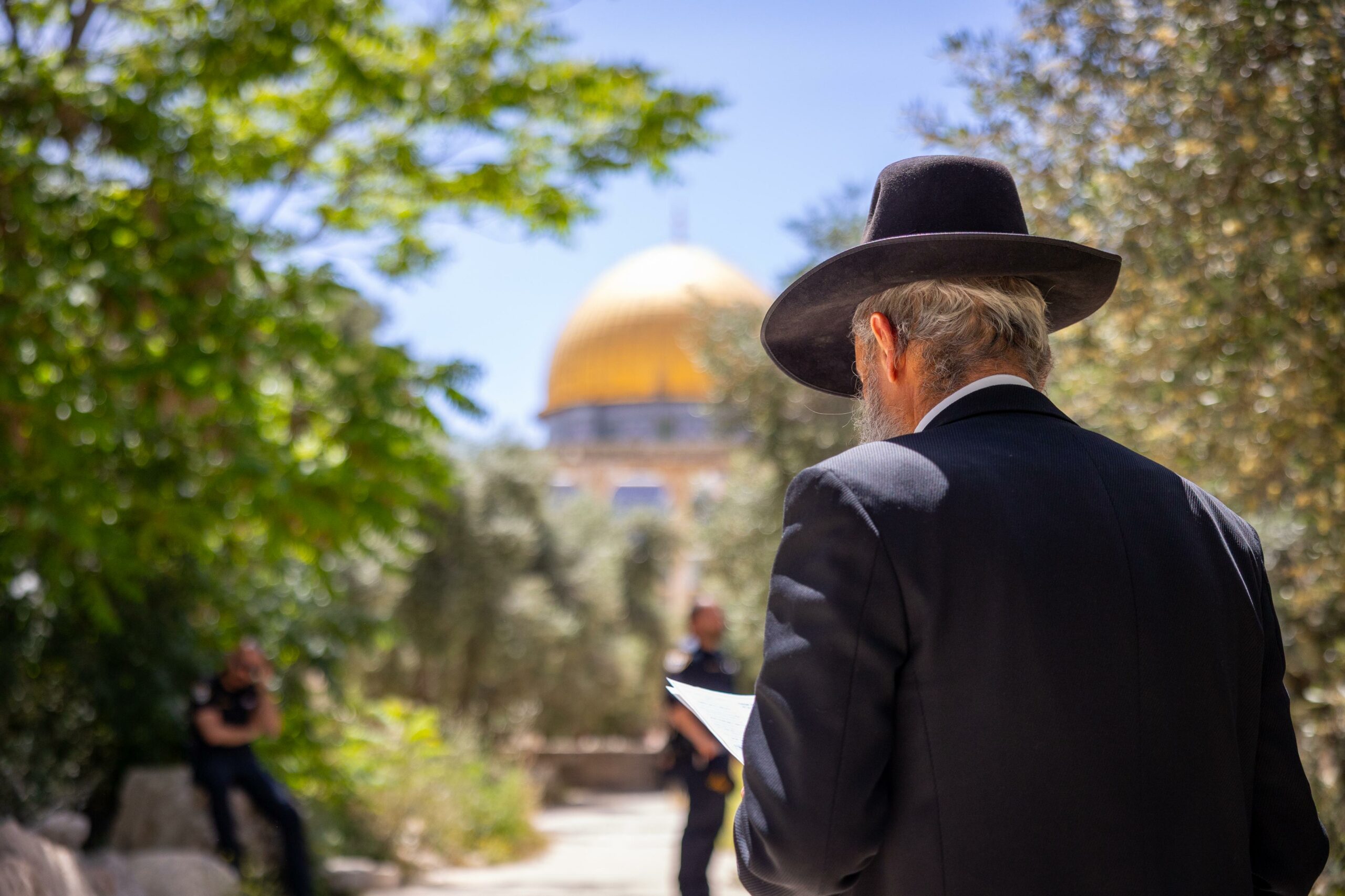
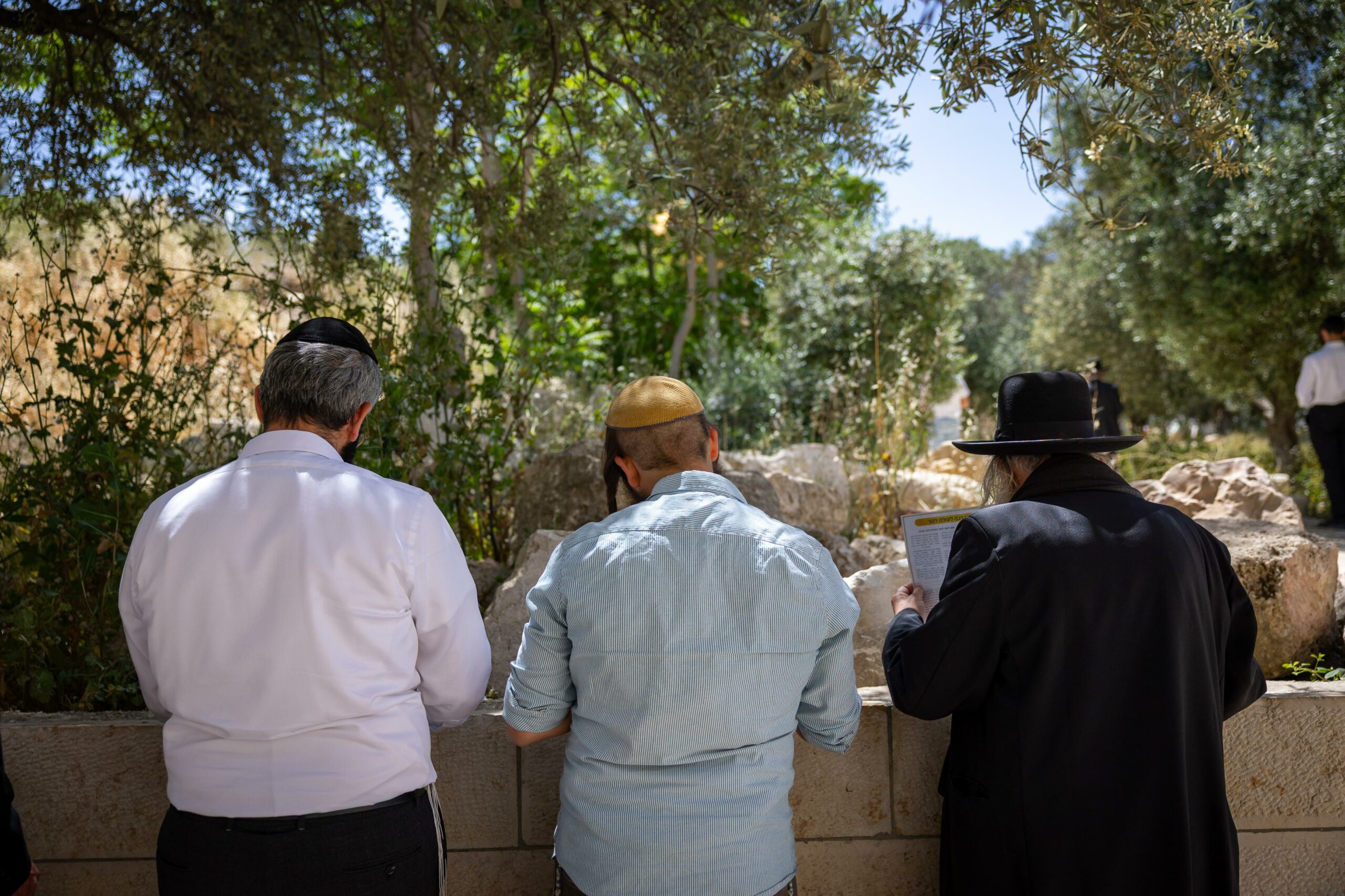
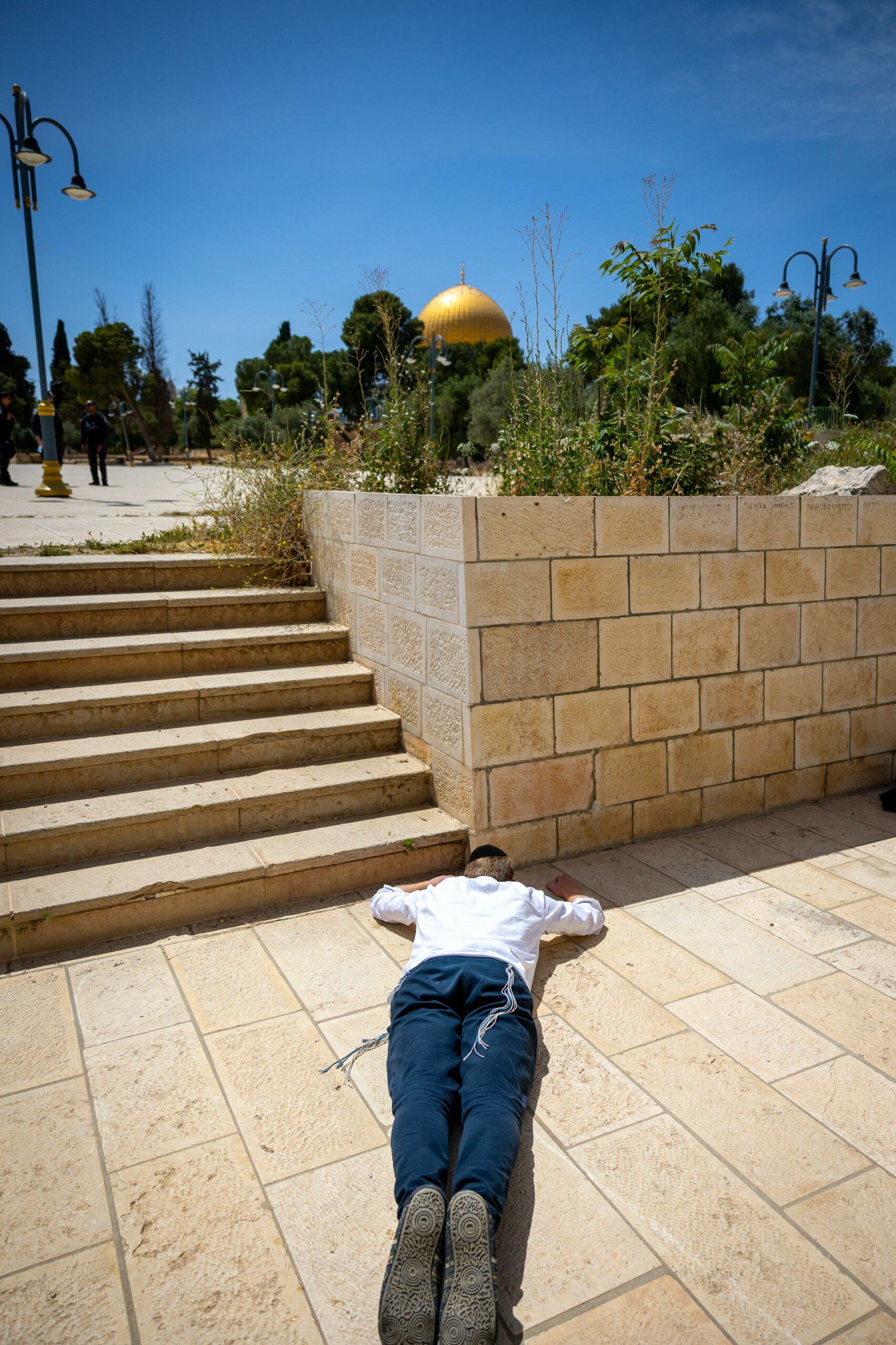
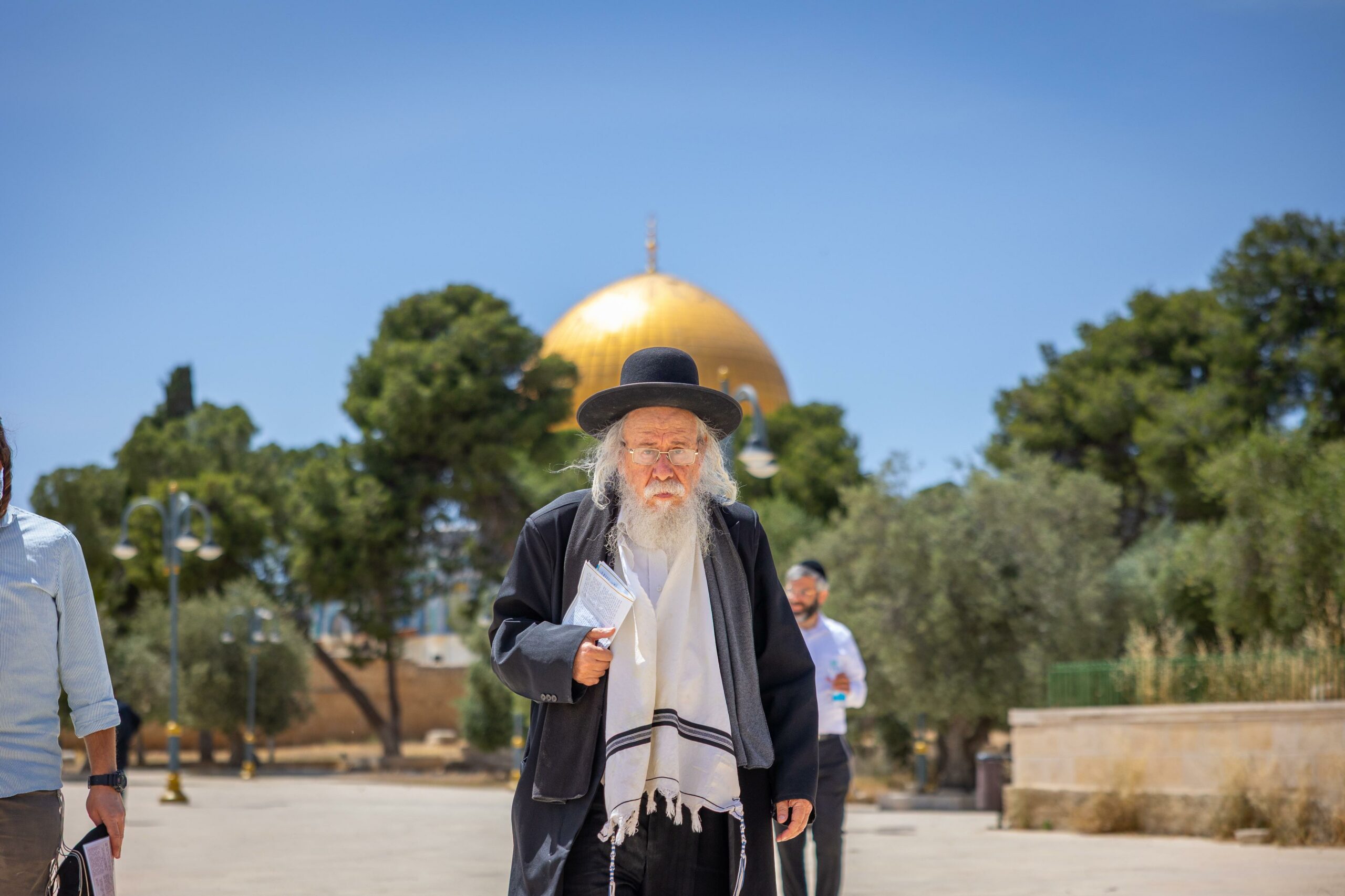
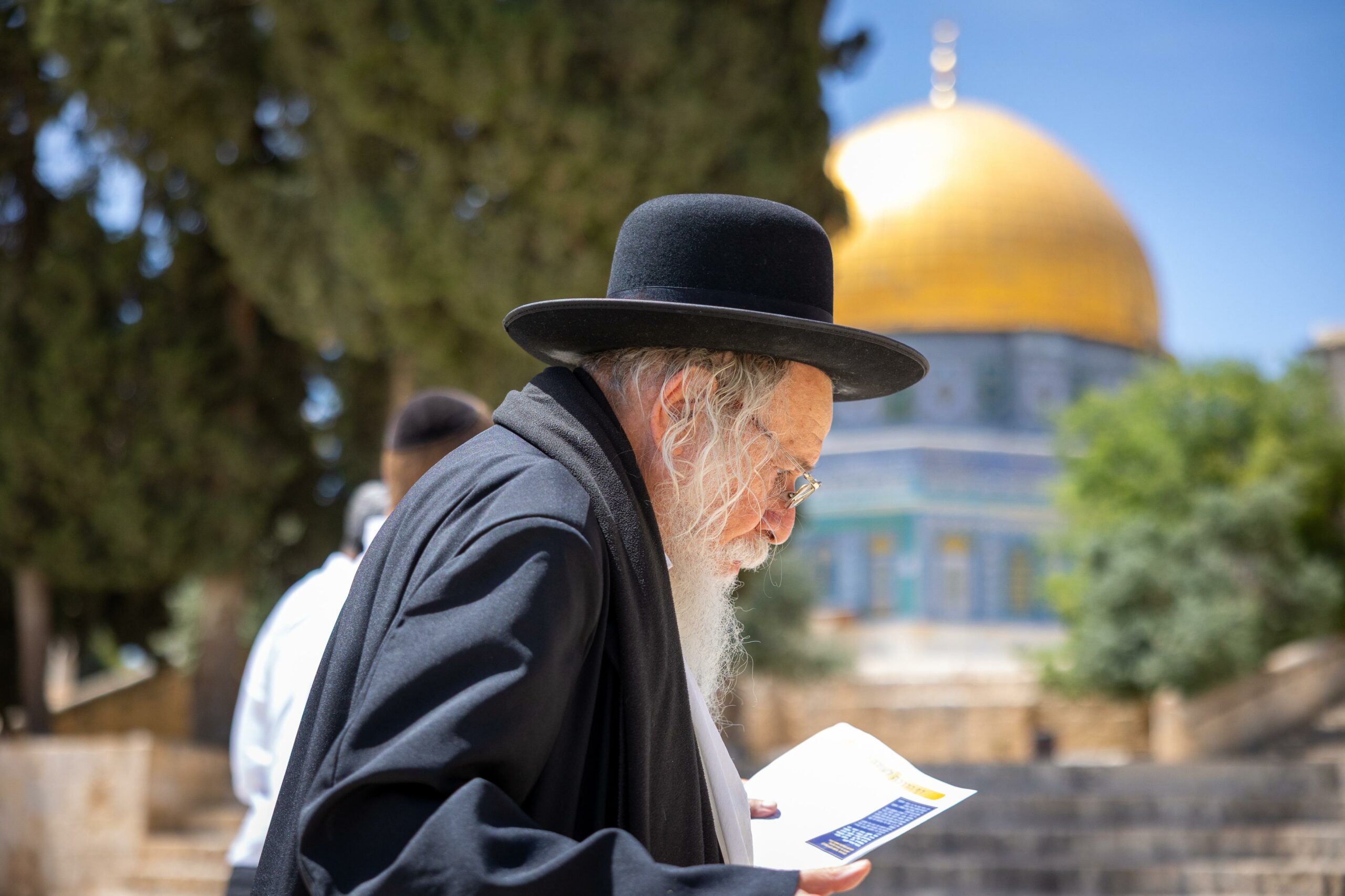
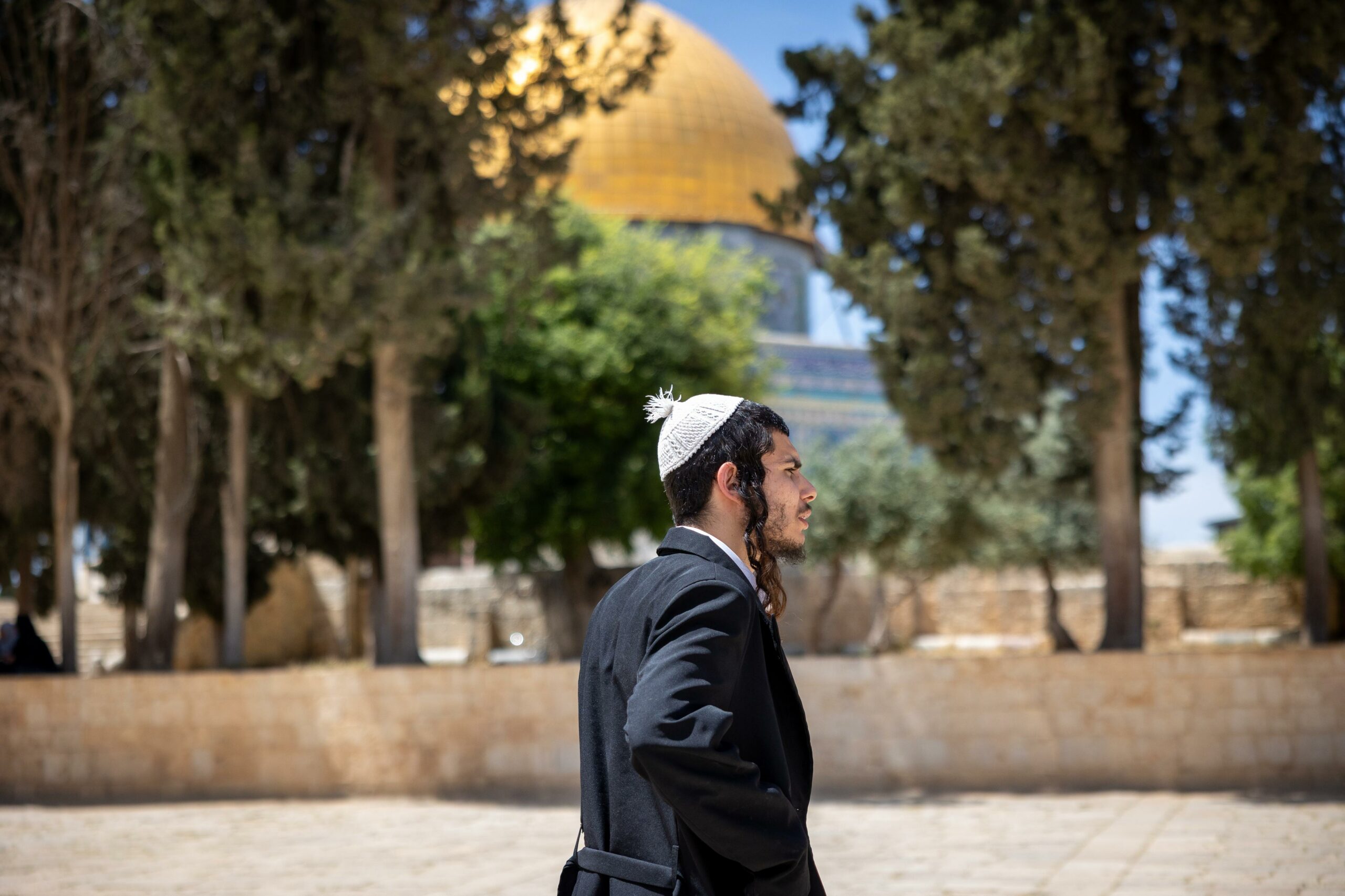
Over the last few years, increasing numbers of visibly Chareidi Jews have been seen ascending Har Habayis in accordance with carefully mapped halachic guidelines established by rabbanim and researchers who maintain that certain peripheral areas may be entered after proper preparation. Organized groups, shiurim, and halachic discussions surrounding the topic have become far more common than they once were — even within circles where the subject was rarely spoken about at all.
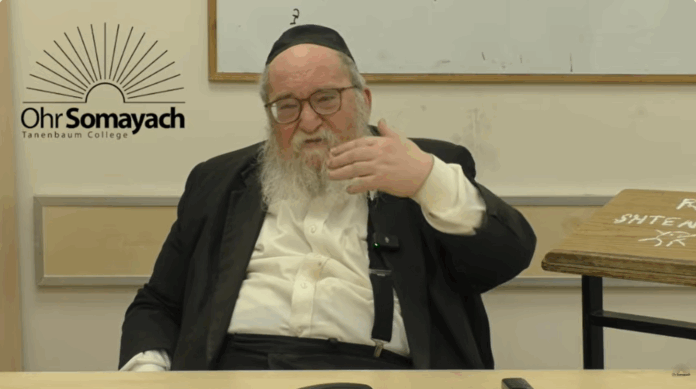
Now, a recently circulated video featuring Rabbi Yitzchak Breitowitz has added another layer to that ongoing conversation.
https://www.youtube.com/watch?v=QXI9G_m6GDQ
See around minute 32:00 in the video
In the video, Rabbi Breitowitz discusses the complexity of the sugya and acknowledges that, according to many shitos, there are areas on Har Habayis that are not part of the מקום המקדש itself and may be permissible to enter under specific halachic conditions. While emphasizing the seriousness and sensitivity of the issue, his comments were widely viewed by listeners as reflecting a more nuanced approach than many in the frum world may have previously assumed.
To be clear, many Gedolim and major poskim over the decades strongly opposed ascending Har Habayis, citing both halachic concerns and the fear that public ascent could lead to confusion regarding prohibited areas. Those concerns remain significant and continue to shape the views of large segments of the Torah world.
At the same time, however, there is a growing sense among some Bnei Torah that the topic itself may deserve more serious examination than it has traditionally received. Much of the newer discussion focuses on the distinction between the areas universally understood to be forbidden and other sections which some authorities argue were never included within the boundaries of the Azarah or Makom Hamikdash.
Perhaps most striking is not necessarily the halachic debate itself, but the fact that the discussion is increasingly taking place openly and respectfully within Torah circles.
For decades, many frum Jews associated any discussion of Har Habayis with political activism or ideological agendas far removed from the עולם הישיבות. Today, however, the conversation is increasingly being framed around the halachic sugya itself: the geography of the Har, the locations of the original boundaries, the requirements of taharah, and the broader question of how Jews should relate to the site of the Beis Hamikdash in our generation.
Whether this shift remains limited or eventually grows into something broader remains to be seen. But one thing is becoming harder to ignore:
A discussion once considered entirely outside the mainstream of the frum world is no longer being dismissed quite so automatically.