
 JBizNews
Saks Global CEO Maps Path to June Bankruptcy Exit and $9 Billion Luxury Reset
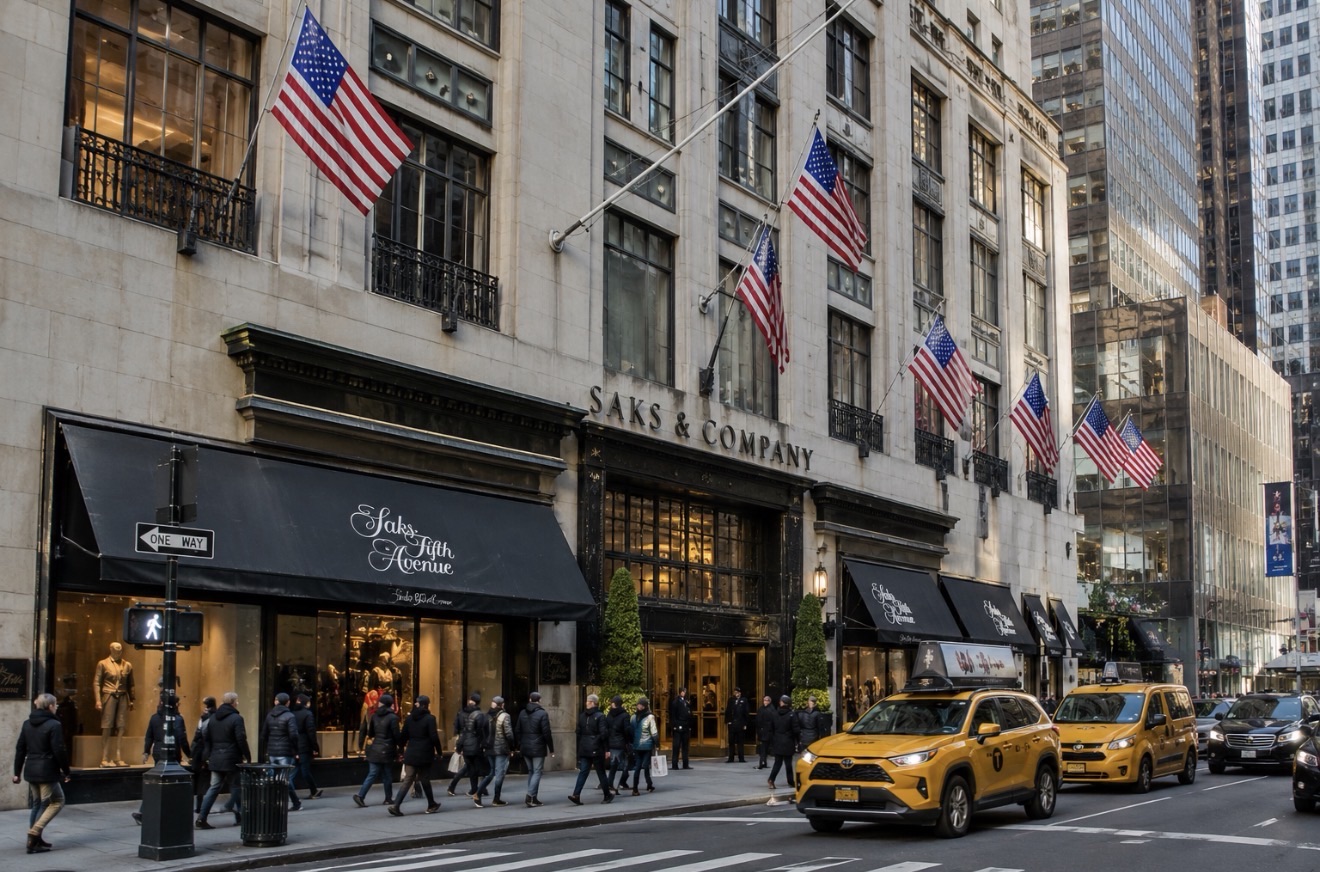
Saks Global, the company that owns Saks Fifth Avenue, Neiman Marcus and Bergdorf Goodman, says it expects to emerge from bankruptcy next month after slashing stores, cutting jobs and securing new financing aimed at stabilizing one of America’s largest luxury retail groups.
For everyday shoppers, the story is less about Wall Street restructuring and more about what it means for the future of luxury department stores in the U.S.
The company plans to exit Chapter 11 bankruptcy protection in late June with roughly $700 million in available liquidity and a much smaller retail footprint, according to CEO Geoffroy van Raemdonck.
Saks Global filed for bankruptcy in January after mounting debt problems and inventory shortages left stores struggling to keep merchandise on shelves. Vendors had stopped shipping products because they feared the company would not be able to pay its bills.
Now the company says most major luxury brands have resumed shipments, helping stores refill inventory ahead of a critical second half of the year.
Nearly 720 brands are once again shipping products to Saks Global, including luxury labels tied to Gucci owner Kering, Chanel and LVMH.
The turnaround comes with major downsizing.
Saks Global is shutting down 20 Saks Fifth Avenue stores, four Neiman Marcus locations and most Saks Off 5th discount stores. More than 1,800 jobs have been eliminated across stores, warehouses and corporate offices.
Bergdorf Goodman’s flagship Manhattan stores will remain open.
The company says the goal is to focus on fewer, more profitable luxury locations instead of trying to operate a massive nationwide footprint.
“What the business plan will show is that we have a plan of action to drive sales, to grow from a smaller footprint, and to be significantly more profitable,” van Raemdonck said in a recent interview with Women’s Wear Daily.
The restructuring marks a dramatic reversal for what was supposed to become a dominant American luxury retail empire.
In 2024, former Hudson’s Bay Chairman Richard Baker combined Saks and Neiman Marcus into a single luxury giant in a deal valued at roughly $2.7 billion. The strategy was designed to help U.S. department stores compete against increasingly powerful European luxury brands and online shopping trends.
But slowing luxury demand, heavy debt and weakening consumer spending quickly overwhelmed the company.
By early 2025, suppliers had frozen shipments, inventory dried up and bankruptcy became unavoidable.
The restructured Saks Global now hopes to rebuild around full-price luxury shopping instead of heavy discounting and outlet-style retail.
That shift reflects broader changes happening across the luxury industry. Many high-end fashion brands increasingly prefer selling directly to wealthy consumers through their own stores and websites rather than relying heavily on department stores that frequently discount merchandise.
The company’s long-term financial goals remain ambitious.
Court filings project Saks Global could eventually reach roughly $9 billion in annual merchandise sales and return to profitability within several years if the restructuring succeeds.
Still, the environment remains difficult.
Luxury retailers are facing slowing global demand, rising import costs and growing economic uncertainty. While wealthier consumers have generally remained more resilient than middle-income shoppers, analysts say luxury spending often weakens later in economic downturns.
The company is also betting that affluent customers will continue shopping in physical stores despite years of consumer migration toward online retail.
For now, the immediate focus is survival.
If Saks Global successfully exits bankruptcy in June, it would mark one of the fastest major retail restructurings in recent years and give the company a chance to rebuild before the critical holiday shopping season later this year.
Whether shoppers fully return — and whether luxury brands maintain confidence in the company long term — will likely determine whether the Saks-Neiman Marcus combination ultimately becomes a successful turnaround story or another cautionary tale in the changing American retail landscape.
— JBizNews Desk
© JBizNews.com. All rights reserved. This article is original reporting by JBizNews Desk. Unauthorized reproduction or redistribution is strictly prohibited.