
 JBizNews
High Court gives Gaza NGOs 30 days to submit employee lists, backs Israel registration rule
The High Court of Justice has rejected a petition filed by AIDA, an umbrella organization representing 19 international non-governmental aid organizations operating in Gaza and the West Bank, against government NGO registration requirements.
The petition followed Israel’s request that the organizations provide lists of their local employees, as required under Israel’s NGO registration and security screening procedures. The organizations refused and filed a petition challenging the registration framework.
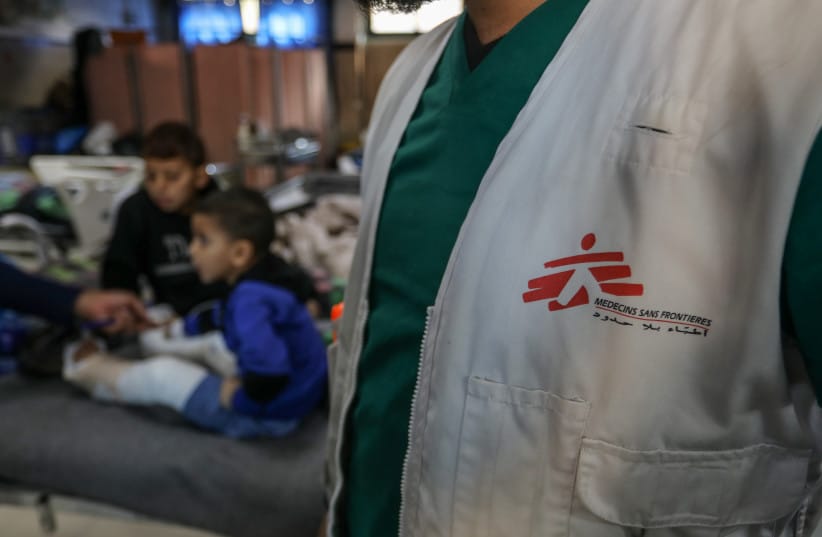
Many of the NGOs, such as Doctors Without Borders, have expressed concerns that sharing staff information could jeopardize staff safety, referencing the number of aid worker deaths in Gaza.
The Israeli government has stated that the framework is a security-driven regulatory system designed to ensure humanitarian aid is delivered safely, transparently, and without exploitation by terrorist organizations. It was based on the fear that some Gaza-based NGOs have operational overlap with Hamas or other terror groups.
The procedure prohibits the operation of organizations linked to terrorism, incitement, delegitimization campaigns against Israel, Holocaust denial, or denial of the October 7 massacre.
As of March 2026, 129 registration applications had been submitted to the inter-ministerial team. Of those, 30 were approved, 19 were denied, 47 remain under review, and 34 organizations have yet to begin the registration process.
‘Israel won’t allow terrorism to operate under the guise of humanitarian aid’
On Tuesday, Chief Justice Yitzhak Amit dismissed the petition and granted the organizations a final 30-day period to submit the required documentation, including the employee lists.
Organizations that comply will have their applications reviewed under the registration procedure. Organizations that fail to submit the required materials will be required to cease operations in Gaza and the West Bank immediately.
The Court ruled that the state’s requirement to receive information regarding local employees, including Palestinian staff members, constitutes a legitimate and proportionate security measure.
“The information requirement… is a limited and proportionate measure, deriving from the state’s fundamental duty to protect its security and the security of its residents, while enabling the continued humanitarian activity of international aid organizations,” the Court stated.
The justices further emphasized that security screening “falls within the core sovereign powers of the state.”
Diaspora Affairs and Combating Antisemitism Minister Amichai Chikli welcomed the ruling: “The rejection of the petition sends a clear and unequivocal message – the State of Israel will not allow terrorist activity to operate under the guise of humanitarian aid.”
“We will continue acting decisively to ensure that only legitimate and transparent organizations are permitted to participate in humanitarian operations in the region,” added Director General of the Ministry Avi Cohen-Scali.