
 Vos Iz Neias
Russia Holds Nuclear Drills on Land, Sea and Air, Joined by Its Ally Belarus
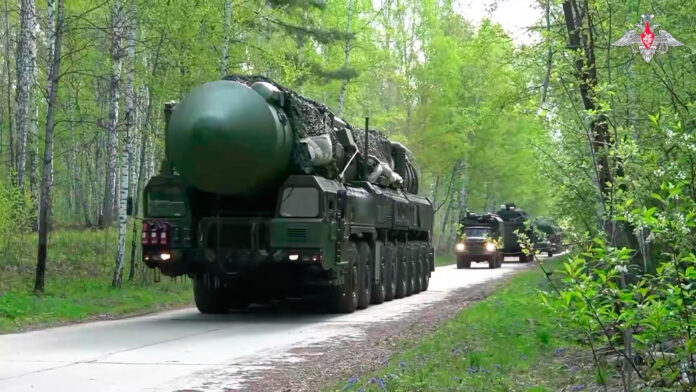
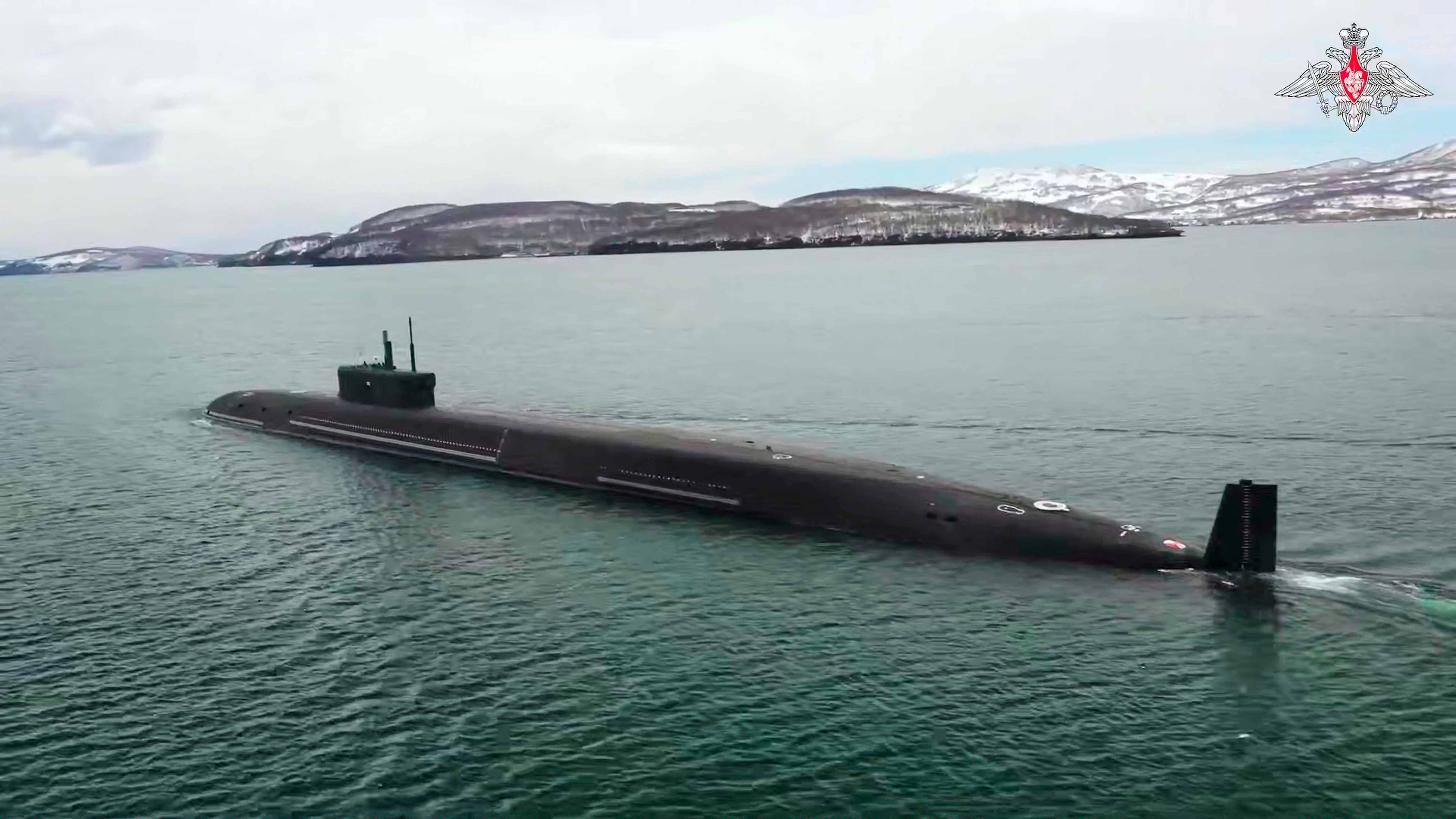
MOSCOW (AP) — Trucks carrying intercontinental ballistic missiles rumbled over forest roads, atomic-powered submarines set sail from Arctic and Pacific ports, and crews scrambled into warplanes as Russia and neighboring Belarus held the final stage of their joint nuclear drills Thursday.
Belarus President Alexander Lukashenko inspected Russian short-range nuclear-capable Iskander ballistic missiles at a military unit involved in the drills, declaring: “I dreamed about this machine a long time ago.”
Joint NUCLEAR forces drills in Belarus with Russia 'gaining MOMENTUM'
Missile rises up from launcher covered in camo pic.twitter.com/7p0aAtcfSZ
— RT (@RT_com) May 20, 2026
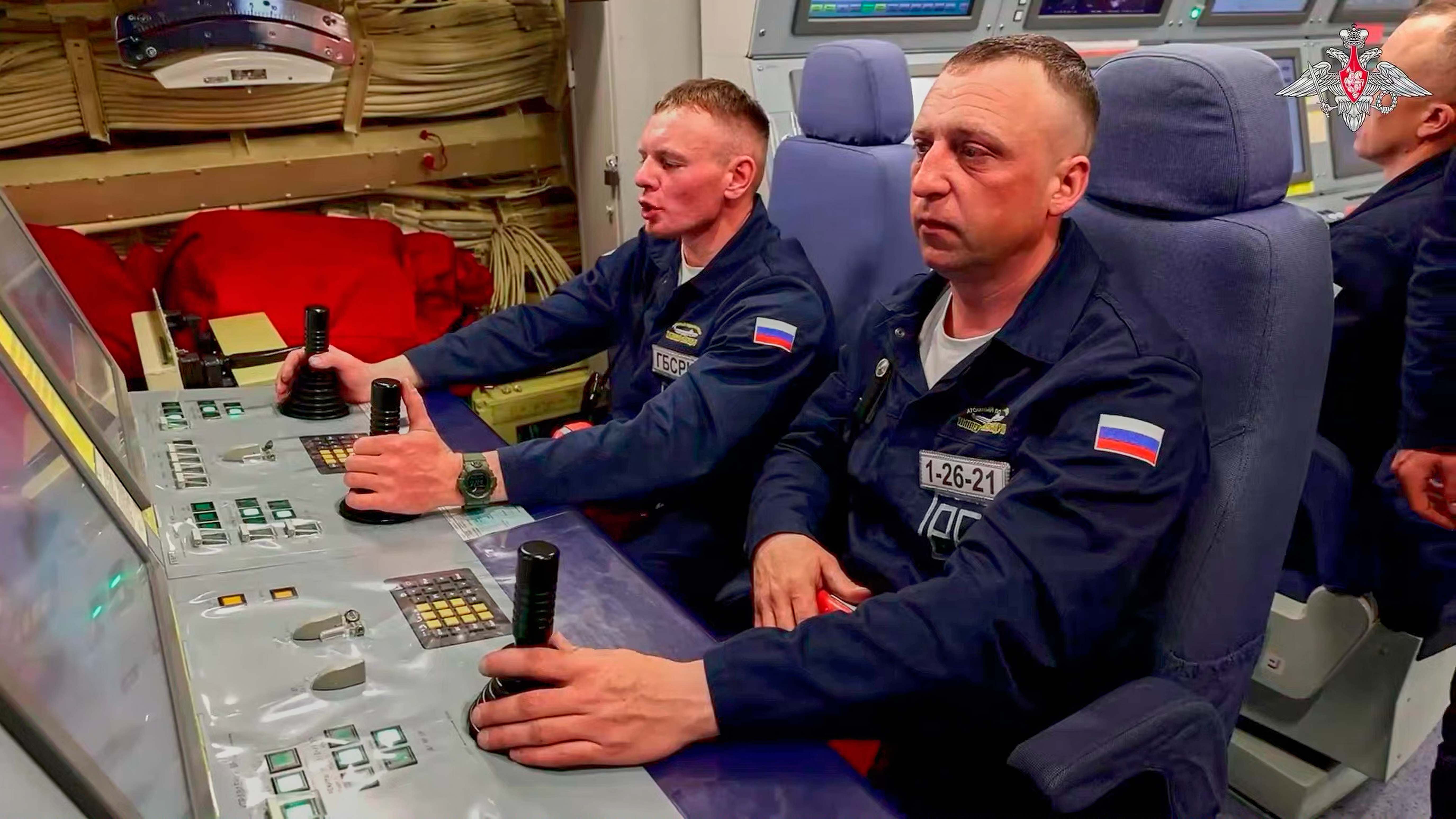
Russia’s Defense Ministry said the exercise involved 64,000 troops, over 200 missile launchers, more than 140 aircraft, 73 surface warships and 13 submarines, including eight armed with nuclear-tipped ICBMs. The drills will focus on the “preparation and use of nuclear forces under the threat of aggression,” it said.
The drills also practice cooperation with Belarus, an ally that hosts Russian nuclear weapons. Russian arsenals in Belarus include its latest intermediate range nuclear-capable Oreshnik missile system.
Russian President Vladimir Putin has repeatedly reminded the world about Moscow’s nuclear arsenals after sending troops into Ukraine in February 2022 to try to deter the West from ramping up support for Kyiv.
The revised doctrine that placed Belarus under the Russian nuclear umbrella. Putin has said that Moscow will retain control of its nuclear weapons deployed in Belarus but would allow its ally to select the targets in case of conflict.