
 JBizNews
Mamdani’s Tax Plans May Hurt New York, Dimon Says, Days After Sit-Down With Mayor
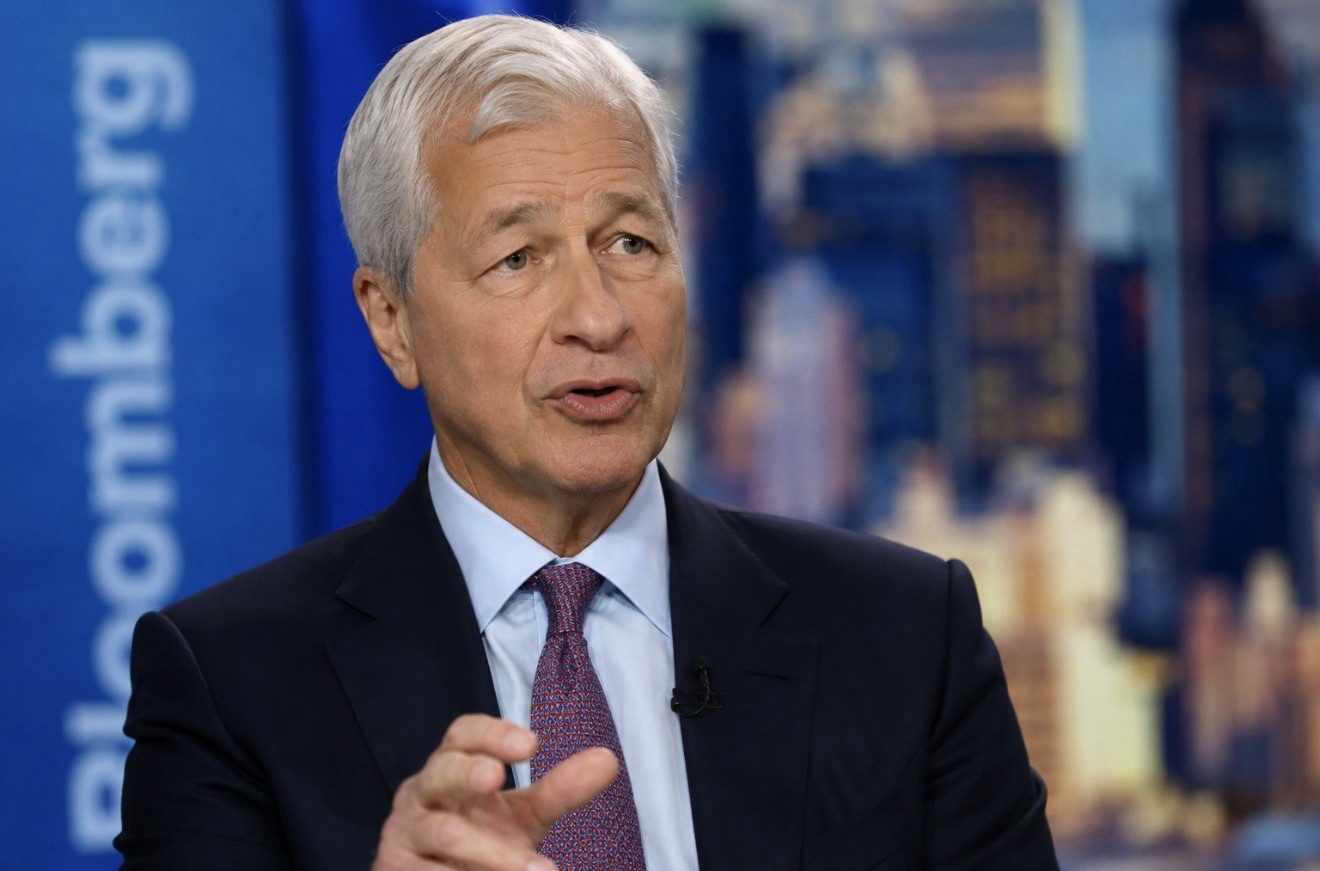
Jamie Dimon went on Bloomberg Television Thursday morning and delivered the sharpest Wall Street rebuke yet of Mayor Zohran Mamdani’s tax-the-rich agenda, warning that raising taxes on wealthy New Yorkers and corporations risks doing further damage to the city’s status as a global business hub.
“People think that somehow being anti-business is going to help the city, it’s not,” the JPMorgan Chase chief executive told Bloomberg’s Haslinda Amin and Cathy Chan during an interview from Asia.
The remarks came just days after Dimon hosted Mamdani at JPMorgan’s new global headquarters at 270 Park Avenue on Monday, the mayor’s first in-person sit-down with the bank’s top executive since taking office in January.
The Monday meeting, which a JPMorgan spokesperson described to Reuters as “constructive” with a “friendly” tone, covered reducing government waste, cutting red tape on development projects and expanding public-private partnerships. City Hall and the bank said the two also discussed New York City’s competitiveness. Whatever goodwill the meeting generated, Dimon used his first major television appearance afterward to publicly distance himself from the mayor’s policy direction.
Dimon went further in a separate interview, calling the 34-year-old mayor an “ideologue” and saying, “I don’t care what he says,” while adding, “hopefully he’ll learn. I want him to do a good job.”
He framed the choice in stark competitive terms:
“Every city has to compete, and they have to compete at every level — arts, science, schools.”
The backdrop is Mamdani’s push to raise revenue to plug a city budget shortfall and finance his affordability agenda, which includes rent freezes, a $30-an-hour minimum wage and a proposed $70 million city-owned grocery store rollout. The mayor has proposed lifting the city’s corporate tax rate to 11.5%, which would give New York the highest corporate tax burden of any state in the country, layered on top of a new 2% income surcharge on residents earning more than $1 million and a luxury levy on second homes valued above $5 million.
Dimon warned about exactly this trajectory in his April letter to JPMorgan shareholders, writing that “no city, or company or country, has a divine right to success.” His Thursday remarks turned a written caution into a direct, on-camera challenge to the sitting mayor.
He also aligned himself with Jeff Bezos’s argument from Wednesday’s CNBC appearance, where the Amazon founder argued that the top 1% of earners already pay roughly 40% of all federal income taxes while the bottom half contributes about 3%, and that lower earners should pay zero. The two billionaires, speaking within 24 hours of one another, have now amplified the same message from different corners of corporate America: New York risks driving away the very tax base it depends on.
The corporate flight risk Dimon is gesturing at is not hypothetical. Eighteen Fortune 500 companies relocated headquarters out of high-tax states including New York, California, New Jersey and Illinois between 2018 and 2023, moving operations to Texas, Florida and Georgia, according to data compiled by Visual Capitalist.
Ken Griffin, the Citadel founder who moved his firm from Chicago to Miami and has publicly criticized Mamdani’s proposals, is the clearest example of the trend Dimon is warning about. JPMorgan itself has expanded significant operations in Texas and Florida in recent years even as it built out its new Manhattan headquarters.
Mamdani’s outreach to Wall Street has intensified in recent weeks as pushback against the tax proposals has grown. After the Dimon meeting Monday, the mayor traveled to Gracie Mansion for a sit-down with David Solomon, the Goldman Sachs chief executive, in what aides described as part of a broader effort to reset relations between City Hall and the financial sector.
The administration has acknowledged that portions of the proposed tax package would likely need approval from Albany rather than being imposed unilaterally by the city, limiting Mamdani’s ability to move forward without cooperation from Gov. Kathy Hochul, who has signaled reluctance toward broad tax-the-rich measures.
Jack Lew, the former Treasury Secretary under President Barack Obama and a longtime New Yorker, framed the debate in similar terms earlier this week on CNBC’s “Squawk on the Street.”
“The policies that he’s outlined are not policies that are good for New York,” Lew said. “I worry deeply, having spent most of my life in New York, about a city that I call home.”
Lew added that populist policy prescriptions from both the left and the right “don’t always go through the filter of, do they work? I don’t think they work. And I think that’s a problem.”
What makes Dimon’s intervention different is that he sat across the table from Mamdani four days ago and chose to go public anyway. The message to City Hall — and to the rest of Wall Street — is that private courtesy will not buy public silence, and that the patience of New York’s largest employers is not unlimited.
Mamdani took office in January promising to use the power of city government to lower costs for working New Yorkers. Dimon’s counterargument is that if wealthy residents and the corporations employing those New Yorkers leave, the tax base needed to fund those promises may leave with them.
The mayor’s office did not respond to requests for comment by deadline.
JBizNews Desk
© 2026 JBizNews. All rights reserved.