
 JBizNews
Trump Iran Deal Hopes Lift Asian Markets and U.S. Futures as Oil and Dollar Fall
By JBizNews Desk
NEW YORK, May 24, 2026 — Oil prices and the U.S. dollar fell sharply Sunday night while stock futures and Asian markets moved higher after new signs that the United States and Iran may be inching toward a deal to reopen the Strait of Hormuz — a breakthrough that could eventually lower gasoline prices, ease inflation pressure and reduce the risk of future Federal Reserve rate hikes.
Because U.S. markets are closed Monday for Memorial Day, the overnight move is happening through Asian markets and U.S. futures, with Wall Street’s first full reaction delayed until Tuesday morning.
Brent crude fell more than 4% to around $99 a barrel in early electronic trading, while West Texas Intermediate crude dropped below $93. At the same time, S&P 500 futures rose roughly 0.8%, Dow futures gained more than 350 points, and Nasdaq 100 futures climbed about 1% as traders bet that easing Middle East tensions could remove one of the biggest inflation threats hanging over the global economy.
The U.S. dollar also weakened sharply. The Bloomberg Dollar Spot Index slid as investors moved money back into riskier assets and away from the safe-haven trades that have dominated markets during the conflict.
The market reaction came even as President Donald Trump publicly told his negotiating team not to rush into a final agreement.
“Time is on our side,” Trump wrote Sunday on Truth Social, while criticizing opponents of the developing framework as “losers.” The comment followed his statement Saturday that a deal with Iran was already “largely negotiated,” though Trump also repeated his warning that military strikes could resume “at a much higher level and intensity” if negotiations collapse.
The mixed messaging reflects the strategy Trump has used throughout the conflict: publicly talk up diplomacy while keeping military escalation on the table. Even as markets rallied Sunday night on hopes of a Hormuz reopening, Trump’s warning that strikes could resume “at a much higher level and intensity” if talks collapse remained a major overhang for traders betting the war is nearing an end.
Secretary of State Marco Rubio, speaking Sunday in an interview with The New York Times from New Delhi, also cooled expectations for an immediate breakthrough.
“A deal like this cannot be done in 72 hours on the back of a napkin,” Rubio told the paper, signaling that negotiations may continue for weeks even as markets already begin pricing in a reopening.
Still, traders heard enough optimism to spark a major overnight move.
Japan’s Nikkei 225, South Korea’s Kospi and Australia’s ASX 200 all traded higher early Monday as investors bet that the worst-case energy scenario of 2026 may finally begin easing.
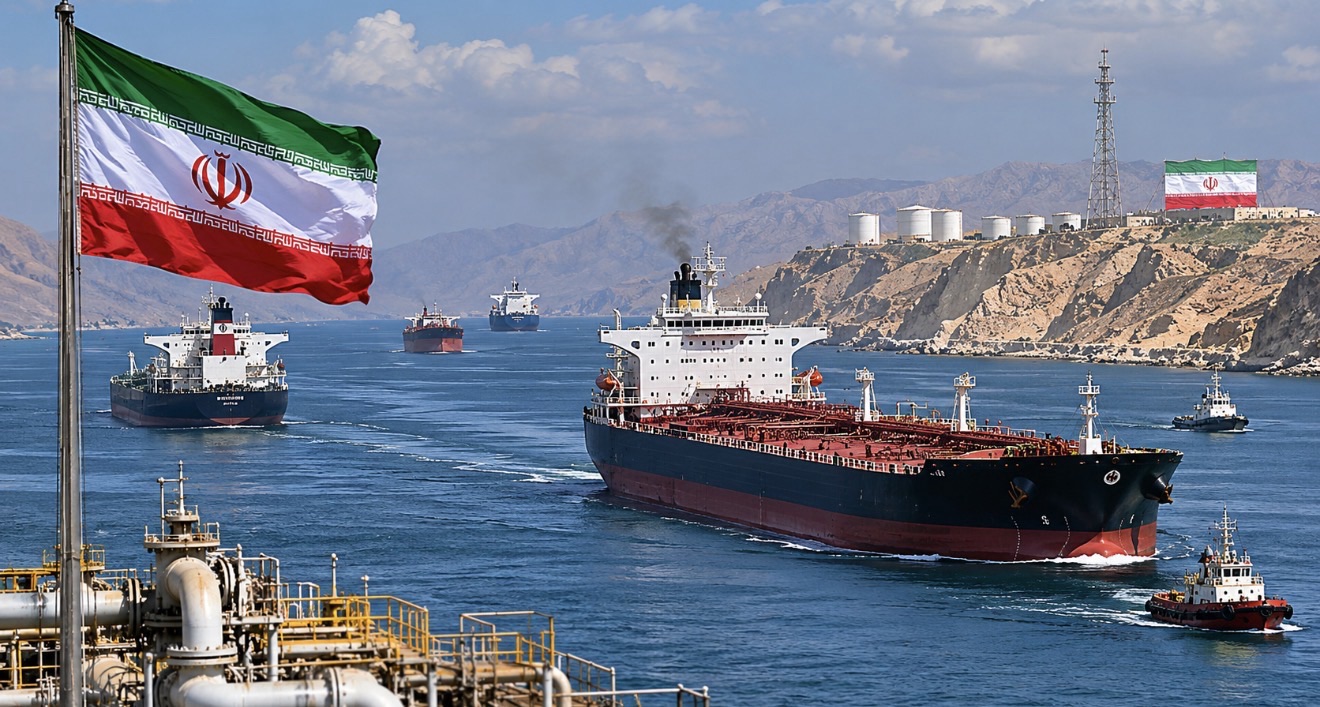
The reason is simple: the Strait of Hormuz matters to almost everything people buy.
The narrow waterway normally carries about 20% of the world’s oil and liquefied natural gas. Since fighting erupted in late February, its near-shutdown has driven gasoline prices higher, pushed up shipping costs, fueled inflation and added pressure to everything from airline tickets to groceries.
Even after Sunday night’s drop, oil prices remain dramatically elevated. Brent crude settled Friday at $103.54 a barrel and West Texas Intermediate crude closed at $96.60 — both still far above where they traded before the war began.
Analysts at Goldman Sachs estimate that every extra month Hormuz stays restricted adds roughly another $10 to oil prices. That is why even the possibility of reopening the route is enough to send markets moving sharply.
The falling dollar is another sign investors are becoming less fearful about the global economy.
During wars and financial shocks, investors often rush into the U.S. dollar for safety. As tensions ease, money tends to move back into stocks, commodities and foreign currencies. Sunday night’s decline in the dollar reflected growing belief that the worst-case economic scenario may be fading.
For American consumers, cheaper oil would matter immediately.
Lower crude prices would eventually filter into gasoline stations, transportation costs, manufacturing prices and consumer goods across the economy. It would also ease pressure on the Federal Reserve, which has spent years struggling to contain inflation.
That puts the spotlight directly on new Federal Reserve Chair Kevin Warsh, who was sworn in Friday at the White House.
Fed officials recently warned that high oil prices and tariffs could force them to keep interest rates elevated longer — or even raise rates again — if inflation refuses to cool. A drop in energy prices would make that much less likely and could reopen the door to eventual rate cuts later this year.
Some of the market winners and losers are already becoming clear.
Airlines, transportation companies, delivery firms and technology stocks generally benefit when fuel costs fall and interest-rate pressure eases. Energy giants like Exxon Mobil, Chevron, and ConocoPhillips, which surged during the oil spike, could face pressure if crude prices continue falling.
Defense companies that rallied during the conflict, including Lockheed Martin and Northrop Grumman, may also lose momentum if investors begin betting the war is winding down.
But the risks are far from gone.
Iran’s Supreme Leader Mojtaba Khamenei has reportedly insisted that enriched uranium remain inside the country, conflicting with one of Washington’s core demands. Iran is also discussing possible toll systems tied to Hormuz shipping traffic — an idea Trump has rejected outright.
The U.S. blockade of Iranian ports also remains in place, and military tensions in the Gulf have not disappeared.
That is why traders remain cautious about declaring victory too early.
Sunday night’s rally reflects growing belief that a deal may be coming. Trump’s actual message, however, was more complicated: negotiations are progressing, but Washington does not appear ready to finalize an agreement quickly.
That difference matters.
If talks break down or fighting resumes, oil prices could surge again almost immediately — and the same markets rallying Sunday night could reverse just as fast.
For now, though, global investors are betting on the possibility that the biggest economic shock of 2026 may finally begin easing.
JBizNews Desk
© 2026 JBizNews. All Rights Reserved. Reproduction or distribution without written permission is prohibited.