
 Yeshiva World News
White House Erupts at Mike Pompeo Over Iran Deal Criticism: “Shut His Stupid Mouth”
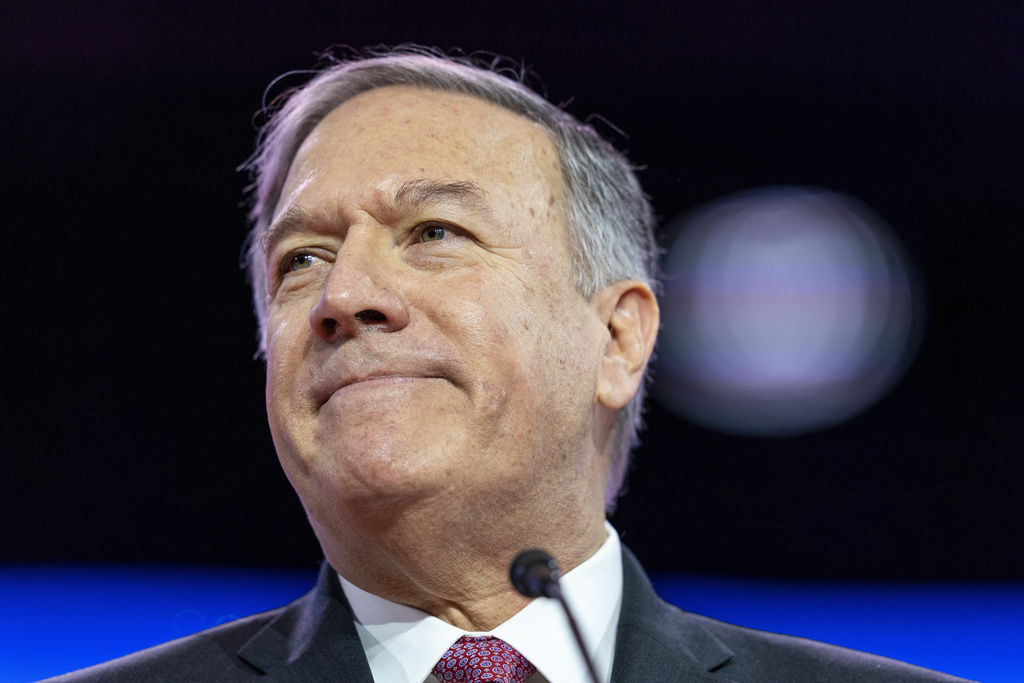
White House Communications Director Steven Cheung unleashed a profane broadside against former Secretary of State Mike Pompeo, telling President Donald Trump’s onetime top diplomat to “shut his stupid mouth” after Pompeo criticized the emerging U.S.-Iran framework agreement.
“Mike Pompeo has no idea what the [expletive removed] he’s talking about,” Cheung wrote on X. “He should shut his stupid mouth and leave the real work to the professionals. He’s not read into anything that’s happening, so how would he know.”
The rebuke came hours after Pompeo, who served as both CIA director and secretary of state during Trump’s first term, likened the reported contours of the deal to Obama-era diplomacy and called it “not remotely America First.”
Cheung’s broadside was part of a broader pushback from Trump’s inner circle against Republican critics of the talks. Trump himself weighed in Sunday morning on Truth Social, dismissing detractors as “losers, who are critical about something they know nothing about.” The president drew a sharp contrast between the current negotiations and the 2015 Joint Comprehensive Plan of Action, writing that the Obama-era agreement was “one of the worst deals ever made by our Country” and insisting the framework his team is negotiating is “the exact opposite.”
“It isn’t even fully negotiated yet,” Trump added, instructing his team not to rush.
Secretary of State Marco Rubio also defended the president Sunday during a state visit abroad, saying Trump’s commitment to preventing Iran from acquiring a nuclear weapon “shouldn’t be questioned by anybody.” Rubio called it “absurd” to suggest Trump would agree to a deal that strengthened Tehran’s nuclear position.
The administration’s aggressive response reflects mounting frustration with hawkish Republican voices who have publicly questioned the direction of the talks. In addition to Pompeo, Sens. Ted Cruz of Texas, Lindsey Graham of South Carolina, and Roger Wicker of Mississippi have voiced reservations in recent days, with Wicker warning that pursuing an agreement “risks a perception of weakness.”
Trump said Saturday that the agreement had been “largely negotiated” and that the Strait of Hormuz would be reopened, though Iran has disputed that characterization. Reports indicate the framework under discussion could include a 60-day ceasefire while talks continue over Tehran’s nuclear program, the unfreezing of certain Iranian assets, and a commitment to further negotiations.
Cheung’s targeting of Pompeo marks a striking moment in the rupture between Trump and a former cabinet official once seen as among the administration’s most loyal hawks. Pompeo played a central role in the 2018 U.S. withdrawal from the Obama-era nuclear accord and in the subsequent “maximum pressure” sanctions campaign against Tehran.
In a Sunday morning post, Trump said the U.S. blockade of Iranian ports “will remain in full force and effect” until a final agreement is reached, and reiterated his demand that Iran “cannot develop or procure” a nuclear weapon.
(YWN World Headquarters – NYC)