
 JBizNews
Bank of Israel Cuts Rate to 3.75% as Shekel Surges and Inflation Cools
By JBizNews Desk
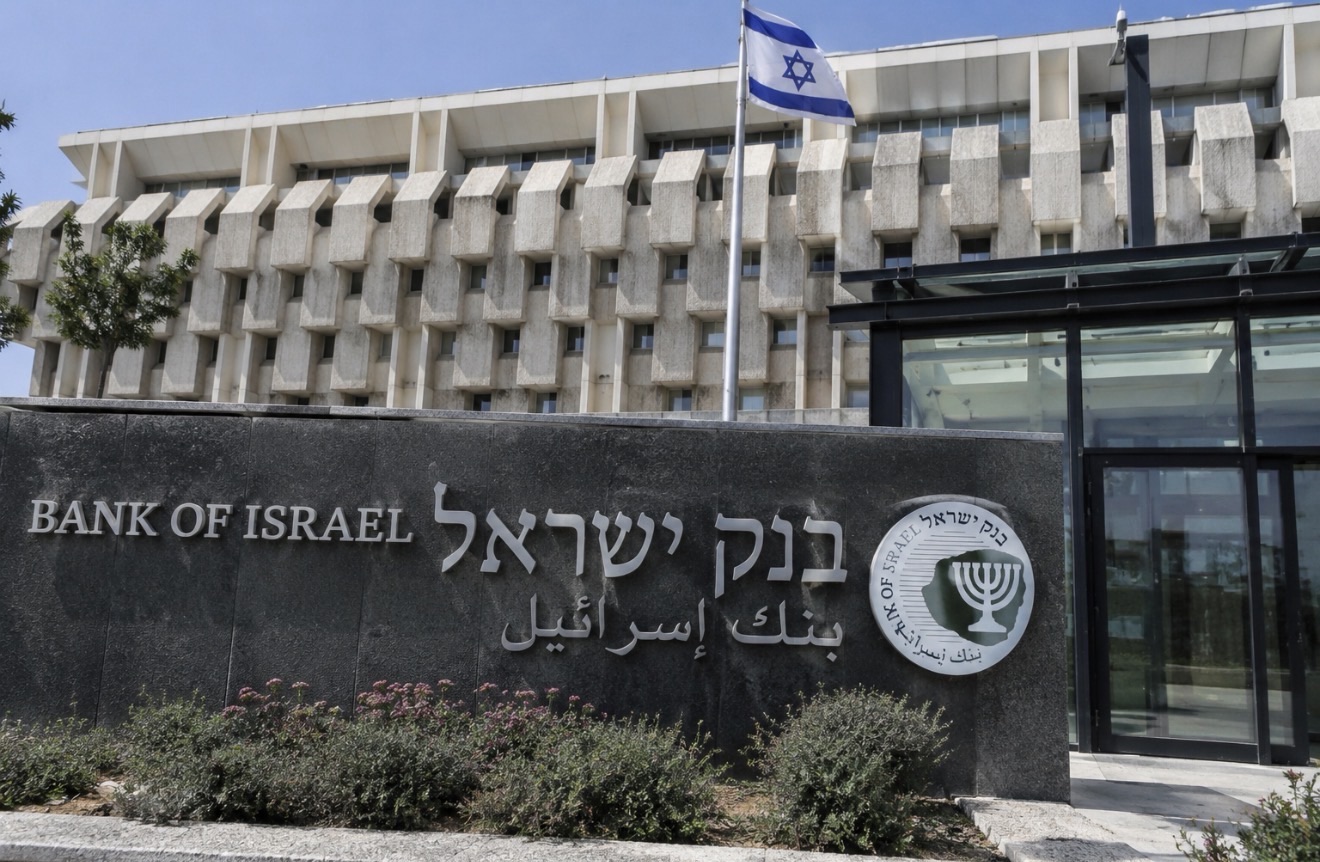
JERUSALEM — The Bank of Israel’s Monetary Committee, led by Governor Prof. Amir Yaron, voted Monday, May 25, 2026, to lower the benchmark interest rate by 0.25 percentage points to 3.75% from 4.00%, citing easing inflation, a sharply stronger shekel, and resilient economic data that gave policymakers room to resume monetary easing despite ongoing regional instability.
The decision marks the central bank’s third cut since November 2025 and matched expectations from most economists and financial markets. The Bank of Israel had paused at its previous two meetings amid uncertainty surrounding the war with Iran, after delivering consecutive 0.25-point cuts in November and January.
In its policy statement, the Monetary Committee acknowledged that inflation has stabilized near the midpoint of the government’s official 1%–3% target range but warned that geopolitical and global inflationary pressures remain elevated. The committee said geopolitical uncertainty remains significant both domestically and globally, adding that while Israeli inflation has moderated, there has been a sharp increase in the global inflation environment since the previous rate decision.
Officials cautioned that risks remain for renewed inflation acceleration, citing energy prices, supply constraints, fiscal pressures, and regional developments tied to ongoing security concerns. At the same time, policymakers emphasized that the shekel’s rapid appreciation is helping offset inflationary pressures by lowering import costs and easing pressure on consumer prices.
The currency move has been dramatic. Since the previous interest-rate decision, the shekel strengthened 8.3% against the U.S. dollar, 7.2% against the euro, and 7.4% on a nominal effective exchange-rate basis, according to Bank of Israel data. The stronger currency has become one of the central bank’s most important disinflationary forces and a major factor allowing policymakers to continue cutting rates without triggering renewed price instability.
The central bank also addressed the economic impact of Operation Roaring Lion, Israel’s recent military campaign against Iran and Iranian-linked targets. According to the Bank of Israel, first-quarter 2026 GDP contracted at an annualized rate of 3.3%, reflecting disruptions tied to the operation and wartime economic conditions.
Still, officials emphasized that the downturn was milder than many economists had feared and less severe than the contraction experienced during Operation Rising Lion in June 2025. The committee said current indicators of economic activity point to recovery following Operation Roaring Lion. Officials noted that credit-card spending data, which declined during the military operation, has since rebounded and now sits slightly above the long-term trend line, signaling improving domestic demand and consumer activity.
The 0.25-point rate cut comes as central banks globally face increasingly difficult tradeoffs between slowing economic growth and persistent inflation concerns tied to energy markets and geopolitical disruptions. Israel’s situation has become particularly complex because the country is simultaneously managing wartime fiscal pressures, strong capital inflows, and a rapidly appreciating currency.
Markets reacted positively to the decision, with Israeli government bonds rising modestly and traders increasing expectations for at least one additional rate cut later this year if inflation continues cooling and geopolitical conditions stabilize.
Analysts say the Bank of Israel is attempting to engineer a delicate balancing act: supporting economic recovery after months of military disruptions while avoiding renewed inflation pressure from energy costs and wartime spending.
Governor Amir Yaron has repeatedly emphasized that future policy decisions will remain highly data dependent and closely tied to developments in both the security environment and global inflation trends.
For now, the central bank appears increasingly confident that the shekel’s strength and moderating domestic inflation are giving policymakers room to cautiously support growth — even as the broader Middle East remains on edge.
JBizNews Desk
© 2026 JBizNews. All Rights Reserved. Reproduction or distribution without written permission is prohibited.