
 JBizNews
Mamdani Carves Out Rent-Freeze Exemption For City-Financed Affordable Housing Landlords
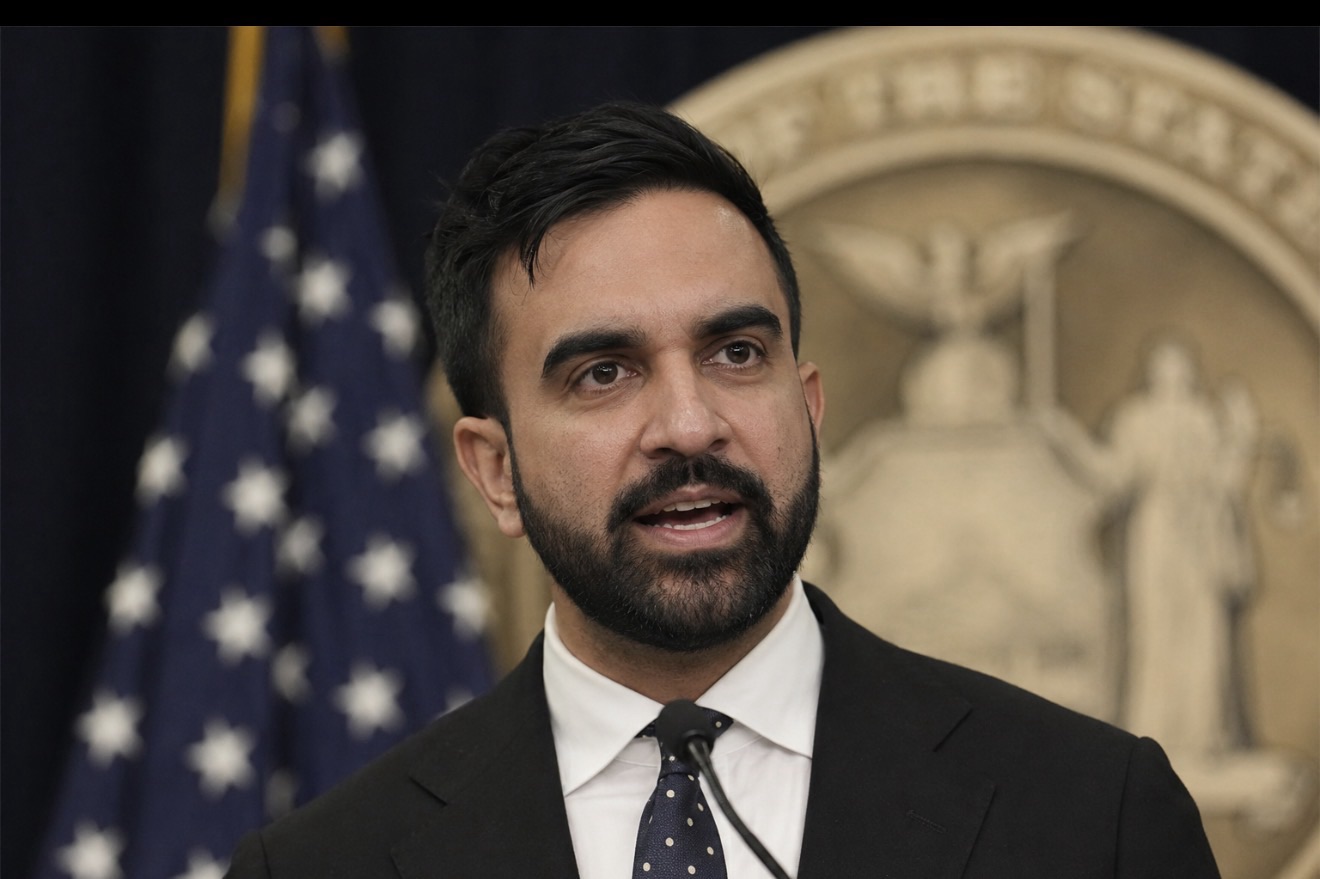
Mayor Zohran Mamdani is preparing to announce a major exemption to his proposed rent-freeze plan, allowing owners of certain distressed affordable-housing buildings to raise rents on vacant apartments even if a citywide rent freeze takes effect later this year.
The announcement, expected Tuesday, marks the first significant modification to Mamdani’s signature housing pledge and highlights growing financial pressure inside New York City’s rent-stabilized housing market.
According to comments made by Dina Levy, commissioner of the city’s Department of Housing Preservation and Development, the exemption would apply only to certain city-financed affordable-housing properties and only when apartments become vacant.
“The reality is, they will all remain affordable,” Levy said in remarks reported Tuesday.
The move represents the clearest sign yet that City Hall is responding to mounting warnings from landlords, lenders, and housing analysts that a blanket rent freeze could push already-fragile buildings deeper into financial distress.
Under the proposal, roughly 300,000 apartments tied to city housing-finance programs could become eligible for one-time rent increases upon tenant turnover. Any increases would remain capped under existing affordable-housing income guidelines and would be reviewed individually on a building-by-building basis.
The apartments represent roughly one-third of the city’s overall rent-stabilized housing stock and include properties owned by large affordable-housing operators including Related Companies and other major developers participating in city subsidy programs.
City officials say only a limited number of apartments are expected to receive immediate increases under the carve-out.
The exemption is part of a broader housing stabilization package the administration is preparing to roll out, including expanded repair financing, tax relief, assistance resolving housing-code violations, and a new $5 million loan program aimed at helping landlords recover unpaid rent and avoid foreclosure or eviction-related distress.
The policy shift reflects growing pressure from owners of older rent-stabilized buildings, particularly in parts of the Bronx and Brooklyn, where rising insurance costs, utilities, labor expenses, taxes, and debt payments have increasingly outpaced rental income growth.
Kenny Burgos, chief executive of the New York Apartment Association, warned regulators earlier this month that many fully stabilized buildings are already operating under severe financial strain and could face growing mortgage-default risks if rents remain frozen.
A recent report from New York University’s Furman Center also concluded that a large share of the city’s regulated housing stock is trending toward financial distress under current conditions.
The political balancing act for Mamdani is becoming increasingly complicated.
The mayor campaigned heavily on a promise to freeze rents for approximately one million rent-stabilized apartments throughout his four-year term and appointed a new majority to the city’s Rent Guidelines Board earlier this year.
In May, the board voted preliminarily to keep a full rent freeze under consideration for one-year leases ahead of a final decision expected next month.
Tenant advocates continue pushing for a complete freeze without exemptions, arguing that affordability pressures on renters remain severe across the city.
Landlord groups, meanwhile, say the new carve-out only addresses a small portion of the broader financial problems facing the rent-stabilized housing system.
Some real-estate organizations have also publicly explored potential legal challenges against a full rent freeze.
Real-estate attorney Scott Mollen, a former Rent Guidelines Board chair, has argued that aggressive political involvement by City Hall could expose the board’s decisions to legal scrutiny if judges conclude the process became politically predetermined.
By creating a limited exemption tied specifically to distressed affordable-housing properties, the administration may also be attempting to strengthen its legal position ahead of the final Rent Guidelines Board vote.
For tenants currently living in affected buildings, the immediate impact remains limited.
The exemption would apply only when units become vacant. Existing tenants would not face immediate increases under the carve-out, though new tenants moving into qualifying apartments could face higher rents within city affordability caps.
The broader housing plan expected later this week is also anticipated to include additional measures tied to affordable-housing construction, tenant protections, and code enforcement initiatives.
With the final Rent Guidelines Board vote approaching in June, the debate over affordability, landlord solvency, and the future of New York’s rent-stabilized housing system is likely to intensify sharply in the weeks ahead.
JBizNews Desk — New York
© 2026 JBizNews. All Rights Reserved. Reproduction or distribution without written permission is prohibited.