
 Matzav
“You Have 30 Seconds”: United Pilot’s FBI Warning Over Passenger’s Wi-Fi Hotspot Name
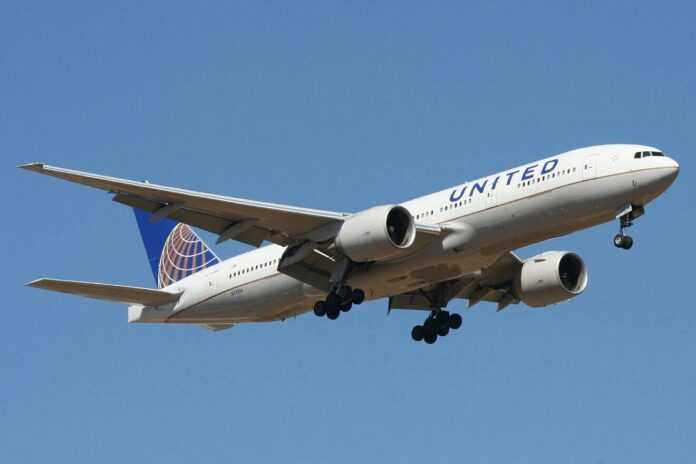
A tense confrontation erupted aboard a United Airlines flight earlier this month after a passenger reportedly activated a personal Wi-Fi hotspot using the politically charged network name “Free Palestine, F Zionists,” prompting the pilot to threaten FBI involvement unless the hotspot was immediately shut down.
According to an account later posted on Reddit by a passenger onboard, the pilot addressed the cabin and warned that the individual responsible would have 30 seconds to disable or rename the hotspot or federal law enforcement — specifically the FBI — would be waiting for the aircraft upon landing.
The announcement reportedly created an atmosphere of anxiety and discomfort throughout the cabin, with passengers uncertain how serious the situation had become.
The passenger who described the encounter online said the captain’s response felt unusually aggressive and abrupt, particularly because the hotspot name itself did not contain a direct threat of violence. Nevertheless, heightened airline security sensitivities surrounding Israel-related tensions and global terrorism concerns appeared to contribute to the strong reaction from the flight crew.
According to the account, the pilot immediately escalated the matter to possible FBI involvement without first mentioning any planned intervention by flight attendants or other crew members.
The passenger who posted about the incident acknowledged that pilots and airline crews operate under heightened caution in the post-September 11 security environment. Even so, the individual wrote that it felt “a stretch” to suggest the hotspot itself posed an immediate or credible danger to the aircraft.
The incident comes amid a growing number of airline security scares connected to provocative Wi-Fi hotspot names and politically charged messages displayed during flights.
Earlier this year, a Turkish Airlines flight traveling over the Mediterranean was diverted to Barcelona after concerns emerged over a suspicious hotspot-related incident, according to a report by Fox News. Authorities reportedly met the aircraft with bomb-sniffing dogs after it landed.
In another incident in February, a Wizz Air flight traveling from London Luton Airport to Tel Aviv was intercepted by Israeli fighter jets after a passenger’s hotspot name allegedly included the word “terrorist.”
More recently, a KLM flight traveling from Málaga to Amsterdam was delayed for several hours after a passenger broadcast the hotspot name: “Allahu Akbar – er is een bom aan boord,” which translates to “God is great – there is a bomb on board,” according to NL Times.
Separate security incidents also disrupted two United Airlines flights over the same weekend, prompting emergency responses and renewed debate about airline security procedures and passenger conduct.
Aviation publication Paddle Your Own Kanoo described the hotspot name used on the United flight as anti-Semitic and noted that private airlines have broad authority to remove or deny boarding to passengers displaying provocative political slogans, messages, or symbols.
The publication also noted that many politicians and Jewish advocacy groups argue that the word “Zionist” is often used as a substitute for “Jew” in order to avoid accusations of overt antisemitism, while critics counter that the term is frequently used in debates surrounding Israeli government policy and geopolitics.
The broader debate over whether criticism of Zionism constitutes antisemitism remains deeply contested. Still, many observers noted that the use of an explicit and inflammatory hotspot name alone could justify airline intervention, even if some viewed the threat to summon the FBI as excessive.
At the same time, aviation analysts noted that concerns involving Israeli or Jewish-related security issues are treated with heightened seriousness because of the long history of attacks targeting commercial aviation connected to Israel.
Beginning in the 1960s, Palestinian terrorist organizations increasingly targeted civilian air travel through hijackings and other attacks, leading Israel to develop some of the world’s most advanced airline security measures.
As a result of decades of aviation-related terrorism threats, Israeli commercial aircraft today operate with sophisticated defense systems and some of the strictest security protocols in global aviation.