
 JBizNews
Trump Pushes Back On Tariff Refunds As 330,000 Firms Seek Money From The Government
More than 330,000 American companies paid tariffs that the U.S. Supreme Court later ruled unlawful, and now a massive refund battle is unfolding between importers and the Trump administration.
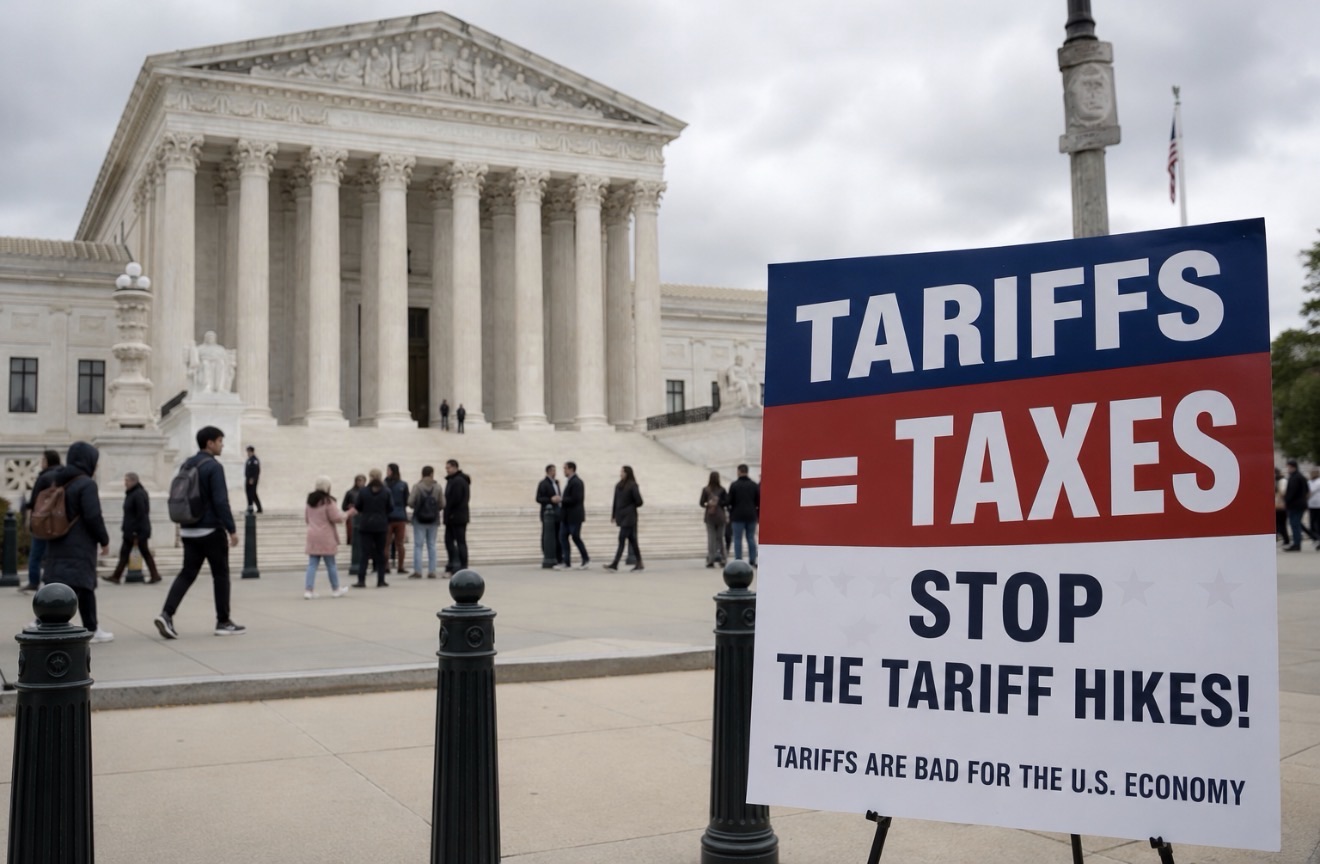
The dispute centers on billions of dollars in tariff payments collected under emergency trade powers that the Supreme Court ruled earlier this year exceeded presidential authority.
According to recent reporting and federal court filings, U.S. Customs and Border Protection has already begun processing refund claims through a newly created online portal, with more than $35 billion in repayments reportedly cleared so far.
But many companies are staying unusually quiet about the money.
The reason is increasingly political.
President Donald Trump has sharply criticized companies that publicly complained about tariffs or signaled plans to recover large refund amounts.
Corporate executives now fear becoming political targets while the legal fight continues.
The underlying case stems from a major February 2026 Supreme Court decision involving tariffs imposed under the International Emergency Economic Powers Act, commonly known as IEEPA.
In a 6–3 ruling, the Court found that the law did not authorize broad across-the-board tariff programs tied to imports from major trading partners.
The ruling invalidated portions of the administration’s earlier “Liberation Day” tariff structure along with several emergency tariffs tied to China, Mexico, and Canada.
The Court concluded that emergency economic powers did not give the executive branch unlimited authority to impose sweeping trade duties without congressional approval.
Within hours of the decision, however, the administration moved to rebuild parts of the tariff structure using different trade authorities already embedded in federal law.
That legal maneuvering triggered a second wave of lawsuits.
Earlier this month, the U.S. Court of International Trade ruled against portions of the administration’s replacement tariffs imposed under Section 122 of the Trade Act of 1974.
The court found that Section 122 authority was narrower and more temporary than the administration argued.
Still, the judges stopped short of issuing nationwide relief, meaning many tariffs remain in place while appeals continue.
Behind the scenes, companies across the country are now filing refund claims quietly through attorneys and customs specialists.
The affected firms span nearly every major industry:
- Retailers
- Manufacturers
- Electronics companies
- Auto suppliers
- Food importers
- Small businesses dependent on foreign components
Retail giants including Walmart, Costco, Home Depot, and Target are among the largest importers affected by the ruling, though most companies have avoided publicly discussing potential refund amounts.
Trade attorneys say many corporate executives fear public backlash or retaliation if they appear too aggressive in recovering tariff money while inflation and economic concerns remain politically sensitive.
The administration is also trying to limit the broader implications of the ruling.
Officials worry that large-scale refunds could weaken future presidential trade authority and discourage aggressive tariff use by future administrations.
The money involved is enormous.
Federal filings suggest roughly $166 billion in tariffs may ultimately be affected by ongoing litigation and refund processing tied to the Supreme Court ruling.
Customs officials say repayments may continue flowing for months because claims involve millions of individual import entries spread across multiple years.
Importers are also receiving interest payments attached to some refunds.
At the same time, many tariffs remain active under separate legal authorities.
The administration continues using Section 232 national-security powers and Section 301 trade authorities to maintain tariffs on categories including:
- Steel
- Aluminum
- Autos
- Auto parts
- Copper
- Select Chinese imports
The result is an increasingly fragmented tariff landscape where some duties have been overturned, others remain active, and several more continue moving through the courts.
For businesses, the uncertainty has become almost as disruptive as the tariffs themselves.
Companies must now decide:
whether to pursue refunds aggressively, stay politically quiet, or continue planning around tariffs that could disappear — or return — depending on future court rulings and elections.
The issue is likely to become even more politically charged heading toward the 2026 midterm elections.
With consumers already facing elevated prices for gasoline, groceries, and household goods, the administration is balancing competing pressures:
supporting domestic manufacturing rhetoric while avoiding additional inflation concerns tied to import costs.
For now, the refund money is moving slowly and mostly quietly into corporate accounts.
But the broader legal and political fight surrounding presidential tariff powers is far from over.
JBizNews Desk — New York
© 2026 JBizNews. All Rights Reserved. Reproduction or distribution without written permission is prohibited.