
 Vos Iz Neias
Experimental One-Time Gene Editing Treatment VERVE-102 Lowers LDL Cholesterol by Up to 62% in Early Trial
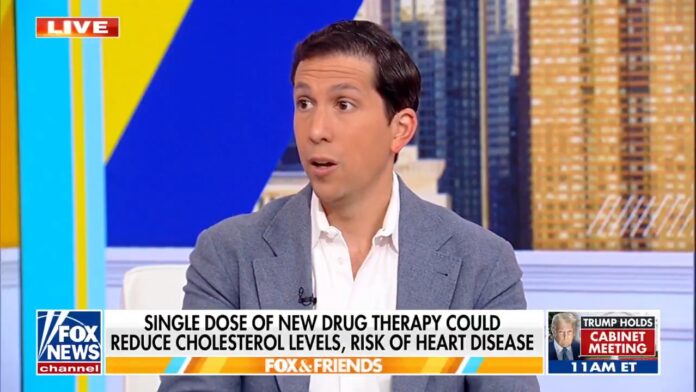
NEW YORK CITY (VINnews) – A single intravenous infusion of an experimental gene-editing treatment has produced substantial and durable reductions in “bad” LDL cholesterol levels in patients with high cardiovascular risk, according to interim results from a Phase 1b clinical trial.
VERVE-102, developed by Verve Therapeutics and now associated with Eli Lilly, uses in vivo base editing to permanently disable the PCSK9 gene in the liver. The approach aims to provide lifelong cholesterol reduction after one dose, potentially transforming treatment for patients who struggle with daily or regular medications.
In the ongoing Heart-2 trial, an interim analysis of 35 adults with heterozygous familial hypercholesterolemia (HeFH) or premature coronary artery disease showed dose-dependent reductions. At the highest dose of 1.0 mg/kg, participants experienced a mean LDL cholesterol reduction of 62%, with PCSK9 protein levels dropping by up to 88%. Reductions were sustained for up to 18 months in follow-up data.
Lower doses produced correspondingly smaller effects: a mean 9% LDL-C reduction at 0.3 mg/kg, rising progressively with higher amounts. Earlier data from a smaller cohort of 14 participants at doses up to 0.6 mg/kg showed a mean 53% LDL-C reduction and a maximum individual drop of 69%.
The treatment was generally well-tolerated, with no treatment-related serious adverse events or dose-limiting toxicities reported in the initial data. Mild-to-moderate infusion-related reactions and transient elevations in liver enzymes were observed. One case of aspiration pneumonitis occurred in a participant with pre-existing gastroesophageal reflux disease.
“These results provide early clinical evidence that a single dose of VERVE-102 may mimic the LDL-C lowering effects of natural PCSK9 cardioprotective variants,” researchers noted in data published in The New England Journal of Medicine.
Current PCSK9-targeting therapies, such as monoclonal antibodies, require regular injections and face adherence challenges. A one-time treatment like VERVE-102 could address that gap for patients needing deep, sustained LDL cholesterol lowering to reduce heart disease risk.
Verve Therapeutics plans a stepwise development approach, initially focusing on HeFH patients before expanding to broader populations with atherosclerotic cardiovascular disease.
The Heart-2 trial (NCT06164730) continues to evaluate safety and efficacy. Larger studies will be needed to confirm long-term benefits, cardiovascular outcomes and overall risk profile.