
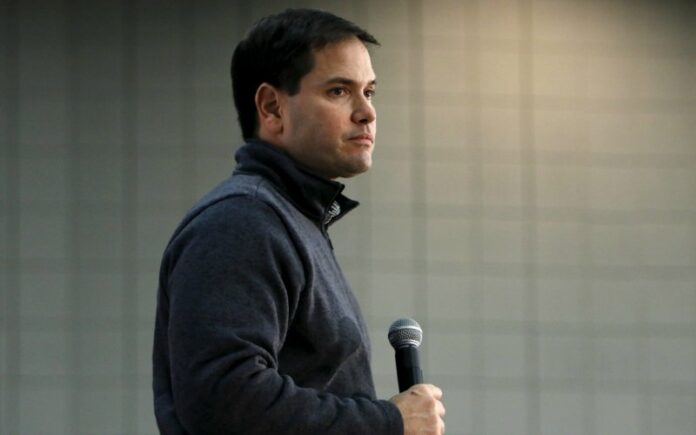

Global oil prices plunged Wednesday after Secretary of State Marco Rubio indicated that the Trump administration intends to continue pursuing diplomacy with Iran, calming fears that tensions in the Strait of Hormuz were on the verge of spiraling into a broader confrontation.
According to CNBC, the selloff in crude intensified following Rubio’s remarks, which investors viewed as a strong indication that the White House is seeking negotiations rather than immediate military escalation in the standoff with Tehran.
Both Brent crude and U.S. benchmark oil futures dropped sharply during trading, with each falling more than 5% as traders rapidly pulled back from bets tied to fears of supply disruptions in one of the world’s most critical energy chokepoints.
The market turbulence came after days of uncertainty driven by growing anxiety over Iran’s regional posture and concerns that worsening hostilities could threaten the flow of oil through the Strait of Hormuz.
Rubio said the administration plans to continue engaging with Tehran diplomatically while giving negotiations “every chance to succeed,” language that financial markets interpreted as a softer and more conciliatory approach.
President Donald Trump has likewise expressed support for ongoing talks, though he has repeatedly maintained that any final agreement must satisfy American demands, leaving open questions about whether a deal is realistically within reach.
Energy market analysts said the Strait of Hormuz remains the single biggest flashpoint influencing oil prices worldwide, meaning even modest signs of easing tensions can trigger immediate and dramatic market reactions.
Even with Wednesday’s steep decline, traders warned that major swings in oil prices are likely to continue as diplomatic negotiations unfold against the backdrop of ongoing instability across the region.