
 Vos Iz Neias
Professor R’ Shlomo Kalish: Its Fair To Require 8200 Unit Graduates To Register Companies In Israel
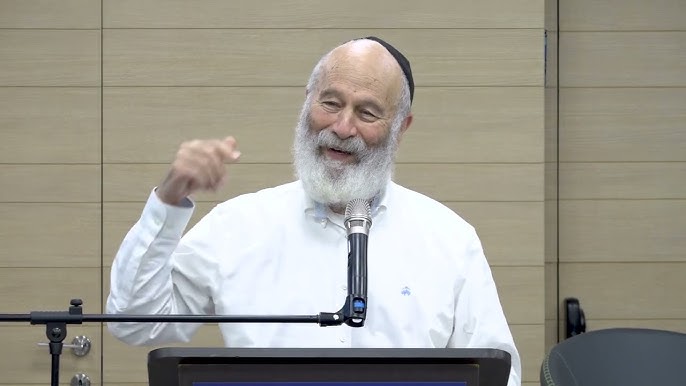
JERUSALEM (VINnews) — Professor Rabbi Shlomo Kalish, CEO and founder of the “Jerusalem Global Ventures” group, addressed in a Maariv Podcast a new initiative by the Israel Tax Authority that would require graduates of technological military units such as Unit 8200 to register companies they establish in Israel for a period of ten years.
Kalish, a former professor at Rochester and Tel Aviv Universities, has had a significant role in the success of Israeli hi-tech ventures over the past three decades. In 1994, he founded an investment company called Jerusalem Global, and in 1999 he established a venture capital fund called Jerusalem Global Ventures.
The fund’s first investment, which achieved major success, was in Galileo Technology, led by Avigdor Willenz, an electronics company based in the Galilee. Other companies in which he invested through Jerusalem Global Ventures include Creo, QXL, which was sold for $1.9 billion, Mellanox Technologies, Saifun Semiconductors, and others.
In 1999, he founded Yazam.com, an investment company focused on the internet sector, but after the dot-com bubble burst, the company was sold to the American investment incubator US Technologies. He serves on the boards of directors of many of the companies in which Jerusalem Global Ventures is a partner.
In 2007, Kalish was ranked 39th on Forbes magazine’s “Midas List” of investors with the “golden touch.” Among Israelis, he ranked first on the list.
“Does this meet the standards of a free market, in your opinion?”
“This is not a bad initiative. I personally believe in a free-market economy and think there is a lot of logic in Feiglin’s (free market) economic positions, but let me explain: specifically on this issue, I’m not opposed. In this case, there is logic in requiring entrepreneurs to give something back to the state. Fighter pilots sign on for extended service and repay the country; the Chief Scientist invests in companies in exchange for keeping the knowledge in Israel, and graduates of Unit 8200 are no different. They receive a tremendous amount of tools from the state, tools worth millions.”
“It’s also important to maintain fairness. Today there is a major gap between those who serve as combat soldiers and graduates of technological units who receive a significant advantage in the business and entrepreneurial world. The current situation, where a combat soldier risks his life and leaves with nothing, while an 8200 graduate leaves with a startup — that’s simply not fair. If he builds a startup, then the company should be registered in Israel. He owes something to the country.”
How does Israel continue producing huge cybersecurity exits specifically during wartime, with deals such as Wiz and Armis?
“Despite concerns at the beginning of the war, American investors actually increased their investments in Israel. The truly strong investors, Americans like Sequoia Capital, doubled down on Israel during the war. Israeli cybersecurity represents one-third of the global market, it’s impossible to be without it.
“However, it’s not enough just to have good technology. Companies need to solve a customer’s problem, not merely sell technology. Check Point’s management, for example, was too conservative. They stayed focused on firewalls while customers wanted comprehensive security solutions. That’s why Palo Alto Networks and Cato Networks overtook them.”