
 JBizNews
A Russian Tanker Carrying 240,000 Barrels of Diesel Just Turned Away From Cuba — And the Fallout Could Reach Florida
A Russian oil tanker carrying more than 240,000 barrels of diesel fuel just changed course in the Atlantic Ocean — and that decision could deepen Cuba’s energy collapse, intensify migration pressure on Florida, and become one of the clearest signs yet that the Trump administration’s new sanctions strategy is beginning to bite.
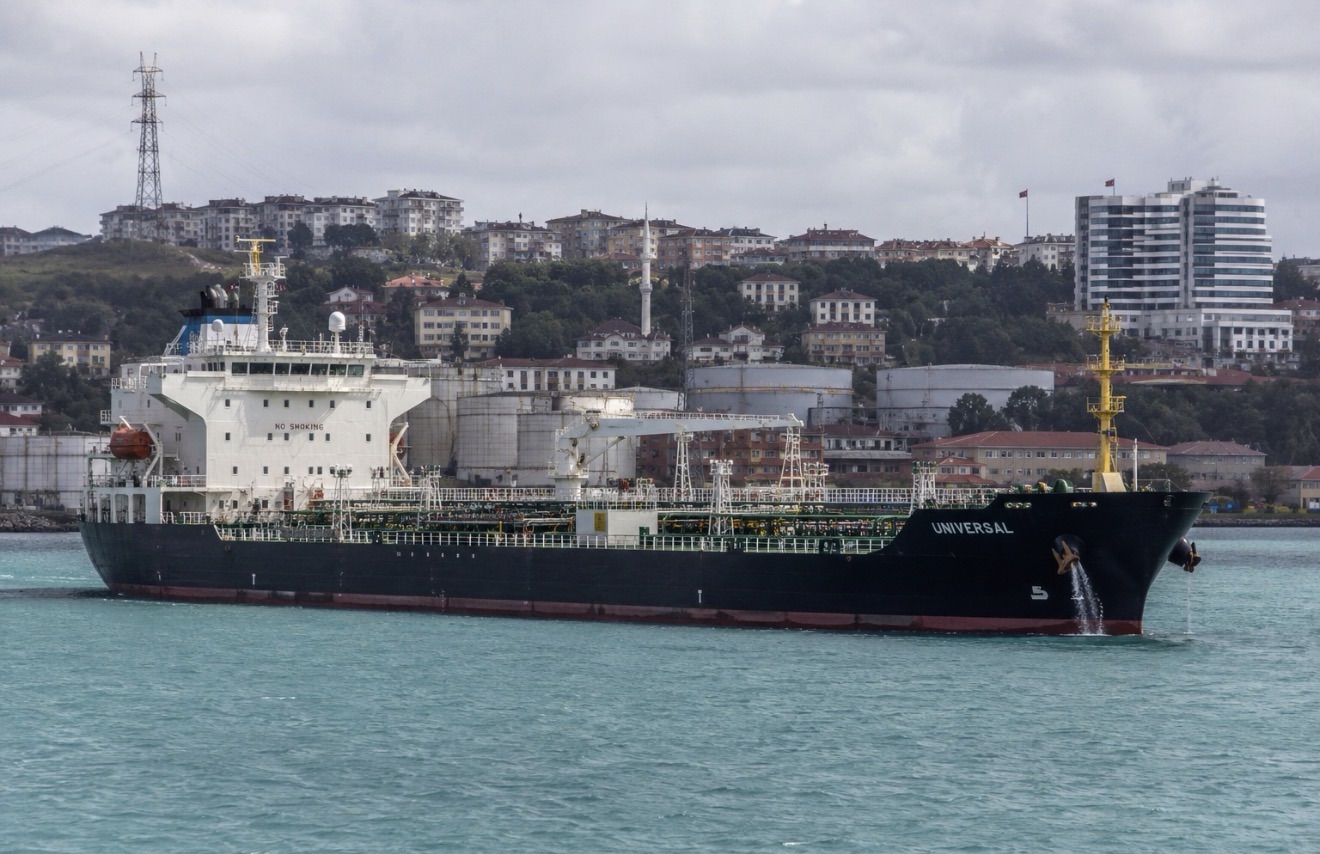
The Russian-flagged tanker Universal, which had spent weeks drifting in the Atlantic with Cuba listed as its destination, abruptly changed its status to “for order,” a shipping-industry term meaning the vessel is awaiting new instructions. By Wednesday, maritime tracking data showed the ship turning south toward the South Atlantic rather than continuing toward Havana.
For Cuba, the consequences are immediate.
The island is now experiencing its worst energy crisis in decades. Power outages lasting 20 to 24 hours have become increasingly common across parts of Havana and other cities as Cuba’s aging electrical infrastructure struggles without sufficient imported fuel. The country’s largest power plant, Antonio Guiteras, has repeatedly gone offline, while floating power-generation units and backup facilities have faced severe fuel shortages.
Cuba consumes roughly 112,000 barrels of oil per day but produces less than half that amount domestically. Without imported diesel and fuel oil, the country’s grid becomes increasingly unstable.
Residents have already begun publicly protesting the blackouts, with reports of street demonstrations, fires, and nightly pot-banging protests spreading across neighborhoods dealing with repeated outages.
The reason the tanker turned away appears closely tied to a major policy escalation from the Trump administration earlier this month.
On May 1, President Donald Trump signed an executive order authorizing secondary sanctions against any company, vessel, insurer, or financial institution involved in supplying fuel to Cuba. The measure dramatically raised the financial risk for shipping companies and banks involved in moving oil cargoes to the island because access to the U.S. financial system could potentially be restricted for violators.
The Universal itself is already sanctioned by the United States, the European Union, and the United Kingdom, making delivery logistics even more complicated.
For weeks, the vessel appeared unable to secure a workable path into Cuba without exposing insurers, intermediaries, or financial counterparties to potential U.S. penalties. The apparent decision to reroute the cargo elsewhere reflects how aggressively global shipping companies are recalculating the risks of doing business with Havana under the new sanctions environment.
The political pressure intensified further on May 20, when the Trump administration announced legal action against former Cuban leader Raúl Castro tied to the 1996 shootdown of aircraft belonging to the humanitarian organization Brothers to the Rescue, which killed four people, including three Americans.
Together, the sanctions escalation and the legal action signaled a much harder-line U.S. approach toward Havana than markets or diplomats had anticipated earlier this year.
For Americans, especially in Florida, the effects of Cuba’s economic deterioration rarely stay isolated to the island itself.
South Florida maintains deep economic and family ties to Cuba through remittances, travel, small-business trade, humanitarian shipments, and migration flows. Historically, worsening economic conditions on the island have led to increased migration pressure toward the United States, higher remittance transfers from Cuban-American families, and growing stress across the financial and logistical networks connecting Florida to Cuba.
Banks, money-transfer businesses, travel operators, freight services, and family-run import-export companies across Miami and South Florida often feel the impact quickly when conditions deteriorate on the island.
The crisis also highlights broader geopolitical questions surrounding Russia’s willingness and ability to continue supporting Cuba while simultaneously managing its war effort in Ukraine and its own oil-export restrictions under Western sanctions.
Only one major Russian-linked delivery has successfully reached Cuba this year — the tanker Anatoly Kolodkin, which delivered roughly 730,000 barrels of crude oil earlier this spring during what analysts viewed as a brief softening in enforcement pressure.
Since then, multiple attempted deliveries appear to have stalled, failed, or been rerouted.
Energy analysts following the region say the result is no longer a temporary shortage but an increasingly structural collapse of Cuba’s fuel-import system.
For ordinary Cubans, that means fewer hours of electricity, worsening shortages of refrigerated food and medicine, unreliable water systems, and a deteriorating business environment during the peak summer heat season.
For the United States, especially Florida, the concern is whether Cuba’s energy collapse remains contained — or evolves into another broader humanitarian and migration crisis only ninety miles from the American coastline.
The broader significance of the Universal’s course change is that it demonstrates how sanctions enforcement, shipping finance, energy markets, and geopolitics now intersect in real time. A single tanker changing direction in the middle of the Atlantic may appear minor on the surface, but for Cuba’s electrical grid, Florida’s migration pressures, and U.S.-Russia geopolitical signaling, the implications are substantial.
At least for now, the message from global shipping markets appears clear: the financial and political risks of supplying fuel to Cuba have risen sharply — and even Russia may no longer be fully willing to absorb them.
Miami — JBizNews Desk
© JBizNews.com All Rights Reserved. Reproduction or distribution without written permission is prohibited.