
 Matzav
Police Commissioner Reportedly Weighing Policy Change: Bnei Yeshiva Filing Complaints May No Longer Be Arrested
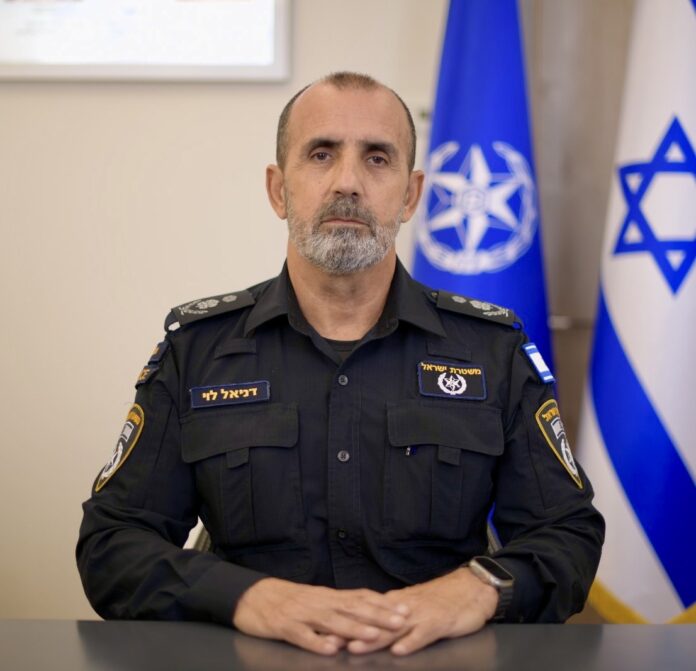
Following mounting backlash from the chareidi public over police conduct toward chareidi draft dodgers in recent weeks, Israel Police Commissioner Danny Levy appears to be signaling a significant shift in policy.
According to reports, Levy is considering issuing new instructions to police officers not to arrest chareidim obligated to enlist if they come to police stations in order to file complaints or receive police services.
The apparent reversal comes after sharp criticism from chareidi leaders and politicians, including recent decisions by chareidi Knesset members to suspend cooperation with the Israel Police over the handling of arrests involving yeshiva bochurim.
In what many viewed as a conciliatory statement released Wednesday evening, the Israel Police emphasized its longstanding relationship with the chareidi community and outlined a series of directives issued by the commissioner following a special assessment meeting regarding police cooperation with the sector.
According to the official statement, responsibility for handling draft dodgers belongs primarily to the IDF and the military police.
“The mission of handling draft dodgers rests with the IDF, through the military police, which determines arrest targets and is responsible for detention and adjudication, while the police merely provides assistance, just as it assists other enforcement agencies,” the statement said.
The practical implication, according to observers, is that the Israel Police may avoid independently initiating enforcement actions against chareidi draft dodgers, leaving such operations primarily in military hands.
The police statement further stressed that cooperation between law enforcement and the chareidi sector has existed for many years.
“The police has worked together with the chareidi sector in cooperative efforts for many years,” the statement said.
Officials also highlighted what they described as ongoing dialogue between police commanders and rabbonim throughout the country.
“There is continuous dialogue and communication through commanders at all levels, both routinely and during exceptional situations. In addition, ongoing communication exists between the police rabbinate and rabbis in the districts, Border Police, and various divisions, together with rabbonim from the chareidi sector.”
The statement added that the police has invested significant efforts in adapting police services to the chareidi public and plans to continue those efforts.
“The police acted to make police services more accessible to the chareidi sector and continues to adapt police stations to the sector.”
Levy also reportedly instructed the police rabbinate to hold more frequent meetings with rabbonim from across the chareidi spectrum.
“The commissioner instructed the police rabbi to hold frequent meetings with rabbonim from the chareidi sector, from all factions.”
In addition, Levy is expected to meet soon with heads of chareidi municipalities.
“The commissioner will soon hold a meeting with heads of chareidi local authorities.”
The statement further announced that the deputy commissioner will lead a special team together with the police rabbinate to strengthen ties and cooperation with the chareidi public.
“The commissioner instructed the deputy commissioner to lead a team together with the police rabbinate to strengthen relations and cooperation with the chareidi sector.”
The most closely watched portion of the announcement, however, involved complaints from yeshiva bochurim and other chareidim obligated to enlist who reportedly avoided entering police stations out of fear they would immediately be detained.
According to the police statement, Levy specifically ordered officials to examine the issue.
“The commissioner instructed that the issue of detaining complainants who arrive at police stations for the purpose of filing complaints be examined, in order to allow the chareidi public to come to police stations, expose crimes, and receive proper police services.”
The move comes after growing reports that crime victims classified as draft dodgers have avoided filing police complaints out of concern they could be arrested and transferred to military authorities upon entering police stations.
{Matzav.com}