
 Matzav
Iran Reopens Key Missile Bases, Raising Fears of Renewed Regional Threat
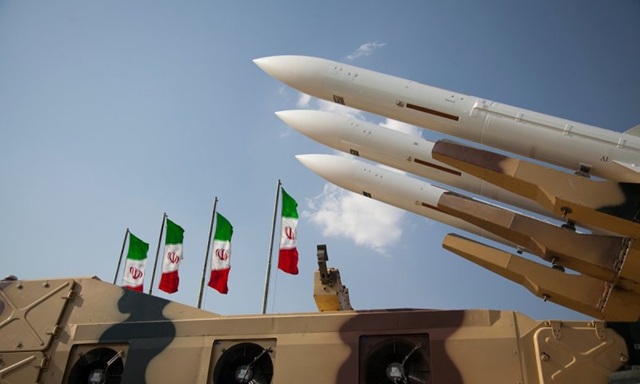
Iran has moved swiftly to restore much of its underground missile infrastructure following months of joint American and Israeli strikes, rebuilding access to critical launch sites and renewing concerns about Tehran’s ability to carry out large-scale missile attacks across the region, according to a CNN report published Sunday.
During the conflict, U.S. and Israeli forces concentrated significant firepower on the entrances to Iran’s underground military complexes. Precision strikes were used to collapse tunnel openings, block access roads, and hinder Iran’s ability to deploy long-range missiles. Although those attacks initially slowed Iranian operations, the report says Iranian engineering teams repeatedly returned to damaged locations to clear debris and reopen access routes, often while military operations were still underway. Since the ceasefire took effect more than seven weeks ago, those repair efforts have intensified considerably.
Satellite imagery examined by CNN indicates that Iran has reopened 50 of the 69 tunnel entrances that had been blocked or collapsed at 18 underground facilities targeted during the campaign. The images also show that much of the damage inflicted on surrounding infrastructure has been repaired, with bomb craters filled and road surfaces restored. At two major sites, paving work has reportedly already been completed.
According to the report, Iran relied largely on conventional construction equipment rather than sophisticated technology to restore the facilities. Bulldozers, loaders, and dump trucks were used extensively to remove debris and rebuild access points. Satellite photographs from a facility near Khomeyn taken in mid-April reportedly showed at least 10 construction vehicles working to reopen a blocked tunnel entrance. Near Isfahan, where at least 18 bombs were used to seal four tunnel complexes, newer imagery reportedly revealed that two entrances had already been fully reopened, while crews continued repairs at the remaining sites.
Military analysts cited in the report argue that Iran’s rapid recovery effort highlights weaknesses in the long-term strategy of containing the country’s missile capabilities. While American and Israeli strikes also targeted weapons-production infrastructure—including facilities involved in electronics manufacturing, drone production, and missile fuel components—Iran’s existing missile stockpile remains largely protected deep underground. Experts estimate that approximately 1,000 operational missiles may still be stored within hardened facilities buried hundreds of meters beneath the surface.
Asked about the intelligence assessment, Pentagon spokesman Sean Parnell declined to address the specific findings. Instead, he reiterated a standard Pentagon position, stating that “America’s military is the most powerful in the world and has everything it needs to execute at the time and place of the President’s choosing.”
{Matzav.com}