
 JBizNews
Disney’s ABC Files for Early License Renewal, Calls FCC Order an “Unconstitutional” Attack on Free Speech
WASHINGTON — JBizNews Desk — May 29, 2026
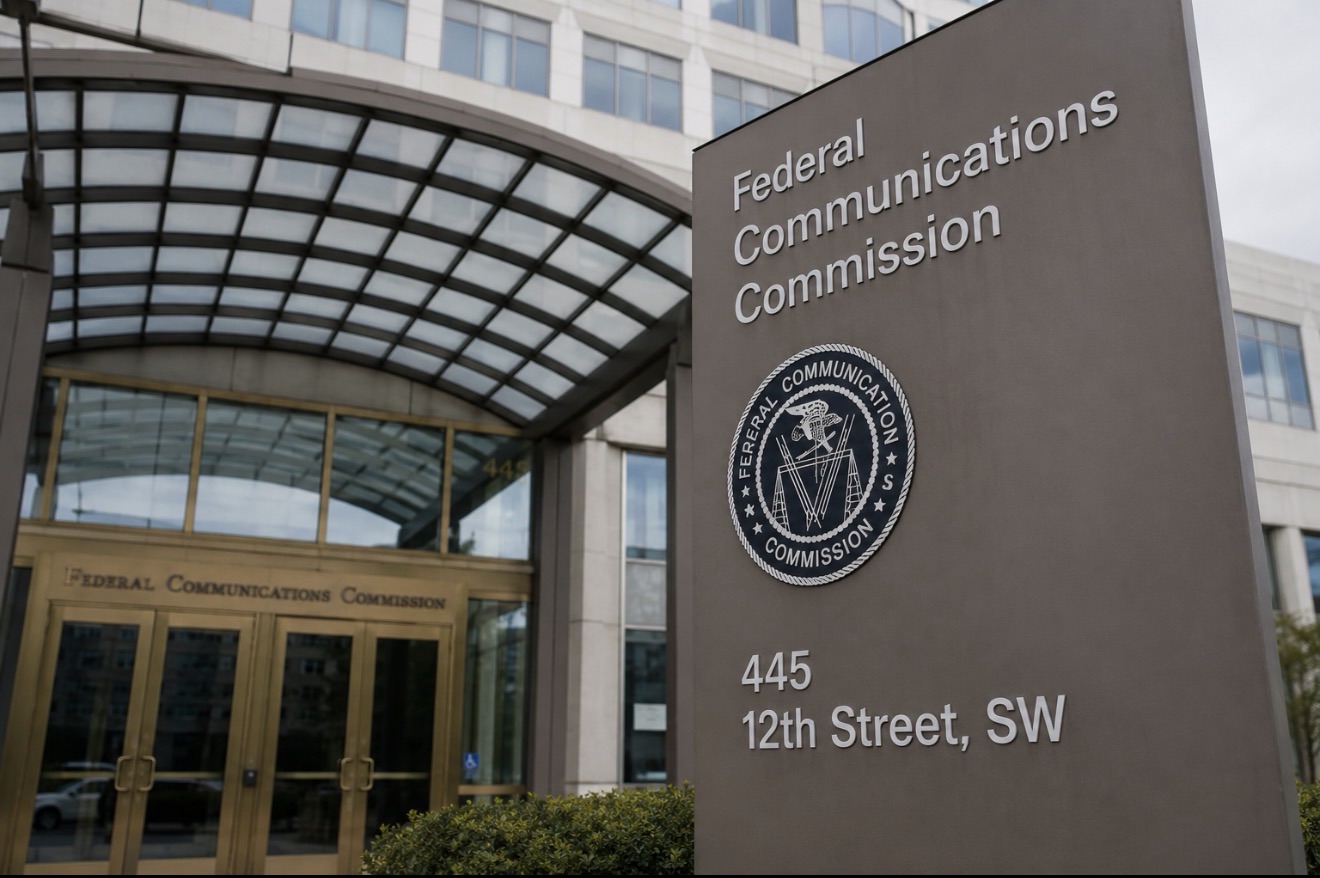
Walt Disney’s ABC network filed early broadcast-license renewal applications Thursday for its eight owned-and-operated television stations, telling the Federal Communications Commission it was complying “under protest” while accusing the agency of carrying out an “unlawful, arbitrary and unconstitutional” attack on protected speech.
The filing marks the first time in more than 50 years that the federal government has forced a major broadcaster into accelerated license renewals before the normal schedule.
The dispute centers on an April order issued by the FCC’s Media Bureau under Trump-appointed FCC Chairman Brendan Carr, requiring ABC stations to seek early renewals years before their existing licenses expire. Some of the affected licenses were not scheduled for renewal until 2028, while others extended as far as 2031.
The order arrived shortly after President Donald Trump publicly criticized ABC and late-night host Jimmy Kimmel following a joke involving First Lady Melania Trump, though Disney’s filing stopped short of directly naming the specific incident.
Instead, ABC argued broadly that the FCC’s action was designed to pressure broadcasters into self-censorship by forcing them to consider potential regulatory retaliation before airing politically sensitive material.
“The true purpose and effect of the order is to suppress speech,” the filing argued, claiming the accelerated review process creates pressure for networks to avoid programming the government may dislike out of fear that broadcast licenses could ultimately be threatened.
Disney framed the issue not simply as a corporate dispute but as a constitutional concern affecting viewers and journalism itself.
The company argued that when broadcasters must weigh possible government retaliation before making editorial decisions, the public’s access to independent reporting and commentary is undermined.
ABC also sharply criticized the legal mechanism used by the FCC.
The filing argued the agency revived an obscure “call-up” procedure that had largely sat dormant for decades and originated during an earlier regulatory era when broadcasters faced far more direct content-based scrutiny during renewal proceedings.
Disney contended the procedure serves no legitimate operational purpose because the FCC already possesses broad investigatory authority through ongoing enforcement tools and existing regulatory processes.
The FCC has separately been investigating Disney’s diversity, equity, and inclusion practices since mid-2025, examining whether any company policies violate federal anti-discrimination rules.
ABC argued in Thursday’s filing that the DEI investigation already provides the Commission with all necessary authority and information, noting that Disney has already produced more than 11,000 pages of documents under an agreed schedule with regulators.
The dispute carries substantial financial implications for Disney.
Broadcast licenses form the legal foundation supporting station operations, advertising revenue, affiliate agreements, and retransmission deals across some of America’s largest television markets, including New York, Los Angeles, Chicago, Philadelphia, Houston, San Francisco, Raleigh-Durham, and Fresno.
Legal experts note that actually denying renewal licenses to major broadcasters remains extremely rare and legally difficult, with any challenge likely triggering years of hearings and federal court litigation while stations continue operating normally.
Still, Disney appears focused on building a constitutional challenge that could eventually move into federal court.
The ABC dispute is also not the company’s only conflict with the FCC.
Earlier this year, the agency opened a separate proceeding involving alleged equal-time rule concerns tied to ABC’s daytime program “The View,” questioning whether the show properly qualifies as a bona fide news program exempt from certain political-balance requirements.
ABC pushed back strongly against that proceeding as well, warning regulators that reopening settled broadcast standards could create a chilling effect on protected speech across the television industry.
For Disney, the immediate strategy appears carefully calibrated: comply procedurally with the FCC’s deadline while simultaneously constructing a constitutional record arguing the government is improperly using broadcast regulation to pressure editorial decision-making.
The company concluded Thursday’s filing by reserving all legal rights and formally urging the Commission to withdraw the order entirely.
Washington — JBizNews Desk
© JBizNews.com All Rights Reserved. Reproduction or distribution without written permission is prohibited.