
 Vos Iz Neias
Monitor Group Warns of Viral Gym Trend Mocking Hasidic Payot on Social Media
TEL AVIV, Israel (VINnews) — A nonprofit organization that monitors antisemitism on social media is warning that a viral online trend masquerading as “gym humor” is spreading antisemitic stereotypes across major social media platforms.
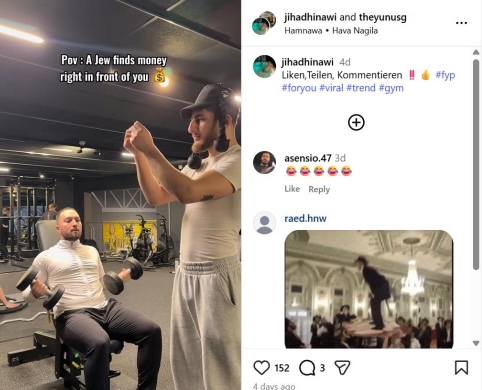
CyberWell, which works with platforms including Meta, TikTok and YouTube to identify and report antisemitic content, said the trend features users mocking Orthodox Jewish customs while recycling longstanding stereotypes about Jews.
According to the organization, some videos show individuals using gym equipment to imitate the sidelocks, or payot, worn by some Orthodox Jewish men while making references to land, money and entitlement. Other videos incorporate Jewish cultural symbols and music while portraying Jews through negative stereotypes.
CyberWell said the trend evolved from earlier AI-generated content that used similar themes. The group argued that initial reluctance by platforms to take action because the content was framed as humor allowed the material to spread more widely and evolve into new formats.
“The normalization phase, when harmful content is dismissed as comedy, is when early intervention matters most,” said Tal-Or Cohen Montemayor, founder and chief executive of CyberWell.
The organization said its monitoring has found that some comment sections associated with the videos include Holocaust-related distortions, conspiracy theories and praise for violence against Jews. CyberWell also cited incidents in which the online rhetoric appeared to migrate into real-world interactions.
The group said the trend highlights the challenges social media companies face in moderating content that uses humor, satire and cultural references to spread hateful messages while avoiding direct violations of platform rules.
CyberWell called on technology companies to strengthen enforcement of existing policies against antisemitic content and invest in tools capable of identifying emerging trends before they become widespread.
The organization said the issue reflects a broader evolution in online antisemitism, in which traditional prejudices are repackaged through memes, jokes and algorithm-driven content designed to maximize engagement and sharing.