
 Vos Iz Neias
Orthodox Jewish Man Asks Supreme Court to Hear Home Prayer Gathering Case
UNIVERSITY HEIGHTS, Ohio (VINnews) — A legal dispute involving an Orthodox Jewish man who was told he needed a permit to host prayer gatherings in his home could soon reach the U.S. Supreme Court, according to a report by Cleveland.com.
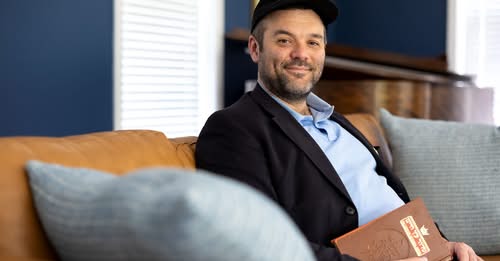
The case centers on Daniel Grand, an Orthodox Jewish resident of University Heights, a Cleveland suburb, who argues that local zoning regulations were improperly used to restrict religious gatherings at his residence. Attorneys representing Grand recently asked the nation’s highest court to review the dispute after lower federal courts ruled in favor of the city.
According to court filings cited by Cleveland.com, the dispute began in 2021 when Grand invited friends to participate in a Jewish prayer gathering at his home. City officials subsequently informed him that he might need a permit typically required for houses of worship and other religious assembly uses.
Grand, who is Orthodox Jewish, maintains that he was not attempting to establish a synagogue but simply sought to host a minyan, a gathering of at least 10 Jewish adults required for certain communal prayers and religious observances. Such gatherings are a longstanding and important aspect of Jewish religious life.
After receiving notice from the city, Grand canceled the planned gathering and entered the permit process. The issue later became the subject of public discussion and neighborhood opposition, with residents raising concerns ranging from parking and traffic to the potential impact on the character of the neighborhood.
Court records indicate that Grand ultimately withdrew his application after concluding that obtaining the permit could effectively require his residence to be classified as a house of worship rather than a private home. His attorneys argue that the process imposed an unreasonable burden on his ability to practice his faith.
The city has disputed those claims, arguing that Grand was never prohibited from praying in his home and that no enforcement action was taken against him. Municipal officials have also contended that because Grand withdrew his application before the review process was completed, it was never formally determined whether a permit was actually necessary.
Attorneys representing Grand told the Supreme Court that the case raises significant constitutional questions involving religious liberty, free exercise rights and the application of zoning laws to private religious gatherings. They argue that Americans should not need government approval to host prayer meetings in their homes when comparable nonreligious gatherings are generally permitted without special authorization.
The appeal also highlights what Grand’s legal team describes as conflicting rulings among federal courts regarding the treatment of religious gatherings in residential neighborhoods, a factor they say warrants Supreme Court review.
Religious liberty advocates are closely watching the case, saying a Supreme Court ruling could have implications far beyond Ohio. A decision could affect homeowners nationwide who host Bible studies, prayer groups, minyanim and other faith-based gatherings in private residences.
The Supreme Court has not yet announced whether it will hear the case. If the justices agree to take it up, the dispute could become a closely watched test of the balance between local zoning authority and constitutional protections for religious exercise.