
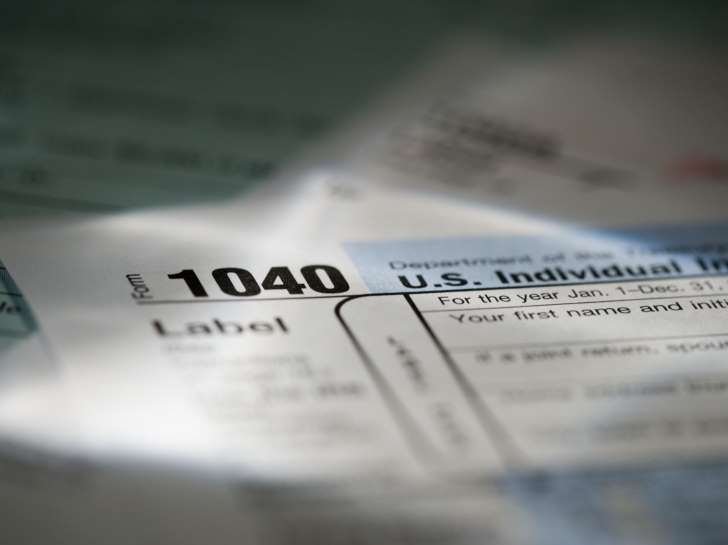

Although the 2026 tax season has ended, a number of Americans are still waiting for their federal tax refunds. For many of those taxpayers, however, their money could arrive in the coming weeks.
Federal officials projected that average refunds for the 2025 tax year would exceed $3,400, representing an increase of roughly 11 percent compared to the previous year. While that marked a notable rise, it fell short of claims by some administration officials that refunds would increase by as much as $1,000.
The timing of a refund depends largely on when a taxpayer submitted a return and whether it was filed electronically or on paper.
According to the IRS, most taxpayers who submit returns electronically receive refunds within approximately 21 days. Those who mail paper returns often face longer processing times, and any errors, corrections, or amended filings can further extend the wait.
As a result, taxpayers who filed by the standard April 15 deadline generally should have received their refunds already.
There are exceptions, however, and some groups of taxpayers remain in the processing pipeline.
Among those most likely to receive refunds in June are filers who submitted returns in May, either because they obtained filing extensions or because the IRS granted additional time in areas affected by natural disasters.
The IRS routinely extends tax deadlines for communities impacted by severe weather and other emergencies. For example, residents affected by storms, flooding, and the “remnants of Typhoon Halong” in parts of Alaska last October were given until May 1, 2026, to file returns and make certain payments that had originally been due before October 8, 2025.
Additional May 1 extensions applied to taxpayers affected by storms and flooding in Montana, as well as those impacted by “severe storms, straight-line winds, flooding, landslides, and mudslides” in parts of Washington state. Similar relief deadlines continue to affect certain taxpayers in Mississippi, Hawaii, and Georgia.
Another category of taxpayers who may finally see refunds arrive this month includes those whose payments were delayed because they failed to provide required banking information.
Earlier this year, Democrats on the House Ways and Means Committee disclosed that thousands of taxpayers had received notices informing them that their refunds were being held up. In some cases, the delays lasted “more than 2 months” because the IRS lacked the necessary banking details needed to issue payments electronically.
The IRS Taxpayer Advocate Service previously cautioned taxpayers that refunds could be placed on hold if direct-deposit information was missing. Those refunds generally remain frozen until taxpayers either provide the required information or choose to receive a paper check instead.
Many affected individuals have already received IRS notices directing them to update or verify their banking information through the agency’s website. Others may simply be issued paper refund checks after a waiting period of approximately six weeks.
Lawmakers have warned that taxpayers relying on mailed checks could face significantly longer delays.
In a letter earlier this year, Reps. Danny K. Davis of Illinois and Terri A. Sewell of Alabama noted that taxpayers receiving paper checks “could face more than a 10-week delay (over 2 1/2 months).”
For taxpayers who filed closer to the April deadline and later encountered processing issues, those extended timelines could mean that their long-awaited refunds may not arrive until sometime this month.