
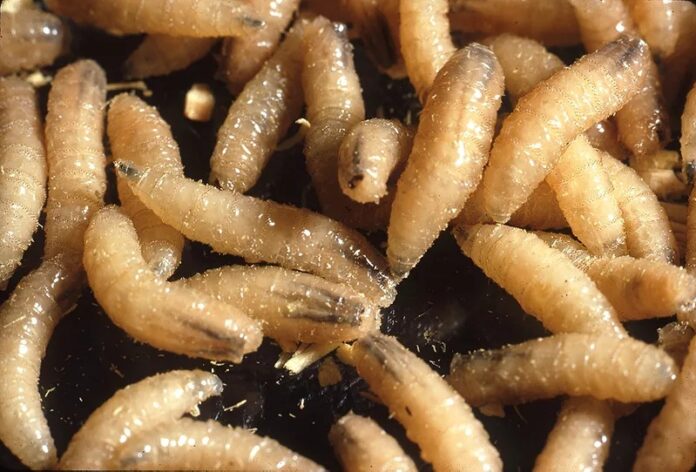

Texas officials are racing to contain a growing outbreak of a dangerous flesh-eating parasite after a second case was confirmed in the state, prompting emergency measures and a temporary Canadian ban on livestock imports from Texas.
The U.S. Department of Agriculture announced Friday that another case of the New World screwworm (NWS) had been identified in a calf in southern Texas. The infected animal was found roughly 5.5 miles (nine kilometers) from the location of the first confirmed case, which was reported just a day earlier.
As concerns mounted over the possibility of a wider outbreak, Texas Governor Greg Abbott declared a statewide disaster emergency on Friday in an effort to mobilize resources and strengthen containment efforts.
State authorities have also established a 12-mile quarantine zone around the affected area. Under the restrictions, all warm-blooded animals—including household pets—must undergo inspection before they can be moved out of the zone.
In response to the outbreak, Canada’s Food Inspection Agency announced a temporary prohibition on livestock imports from Texas. The ban applies to any livestock that has been in the state within the previous 21 days.
The New World screwworm was believed to have been eliminated from the United States in 1966 after an extensive eradication campaign.
A limited resurgence occurred in Florida in 2016, primarily affecting deer populations. That outbreak was successfully contained and eradicated the following year, according to federal officials.
Although absent from the United States for decades, the pest has continued to exist in parts of South America and has gradually expanded its range northward in recent years.
The initial Texas case, discovered near the Mexican border, raised immediate concerns among livestock producers, particularly cattle ranchers who could face significant losses if the parasite spreads.
The adult flies deposit eggs in open wounds or in the mucous membranes of warm-blooded animals. Once the eggs hatch, the larvae burrow into living tissue and begin feeding on flesh.
Without prompt treatment, infestations can become fatal. The parasites are also capable of spreading rapidly among animal populations.
Beyond livestock, the screwworm can infect wildlife, domestic pets, and even humans under certain circumstances.
The United States originally succeeded in wiping out the pest largely through the release of vast numbers of sterile male flies, which mated with wild females and prevented reproduction.
Federal officials said that effort is once again being deployed aggressively. Approximately four million sterile flies are currently being released from aircraft each week, while another four million sterile insects in the pupal stage are being distributed through ground-based release systems.
The economic stakes are substantial. A USDA analysis published last year estimated that a renewed screwworm infestation in Texas could inflict approximately $1.8 billion in damage on the state’s economy.
{Matzav.com}