

The blockbuster weight-loss drugs known as GLP-1s are doing more than changing waistlines. They are quietly rewiring the American grocery basket, forcing food makers and supermarkets to rethink what they stock, how big the packages are, and which aisles they bet on.
The scale of the behavioral change is striking. According to PwC’s analysis of consumer data from Numerator, GLP-1 users consume 40% fewer calories on average, with dessert consumption down 84% and alcohol use down 33%, while fresh produce intake is up more than 70%. Family grocery baskets are 4% to 6% smaller, and single-person households have seen declines of up to 9%.
That shrinking basket is a real threat to packaged-food giants. Diet changes linked to the drugs could mean up to $12 billion in lost snack sales over the next decade, according to EY-Parthenon estimates, and the industry has stopped treating it as a passing fad. Nearly three dozen companies outside healthcare mentioned GLP-1 drugs or weight loss on their earnings calls so far this year, up from 14 a year earlier, according to LSEG data.
The corporate response is already visible on shelves. Companies from PepsiCo to Coca-Cola and General Mills are focusing on shorter ingredient lists, smaller pack sizes, protein-rich foods, and product reformulations to adapt to shifting demand. The bet is that selling less food per package — but more nutrient-dense food — can offset falling volumes.
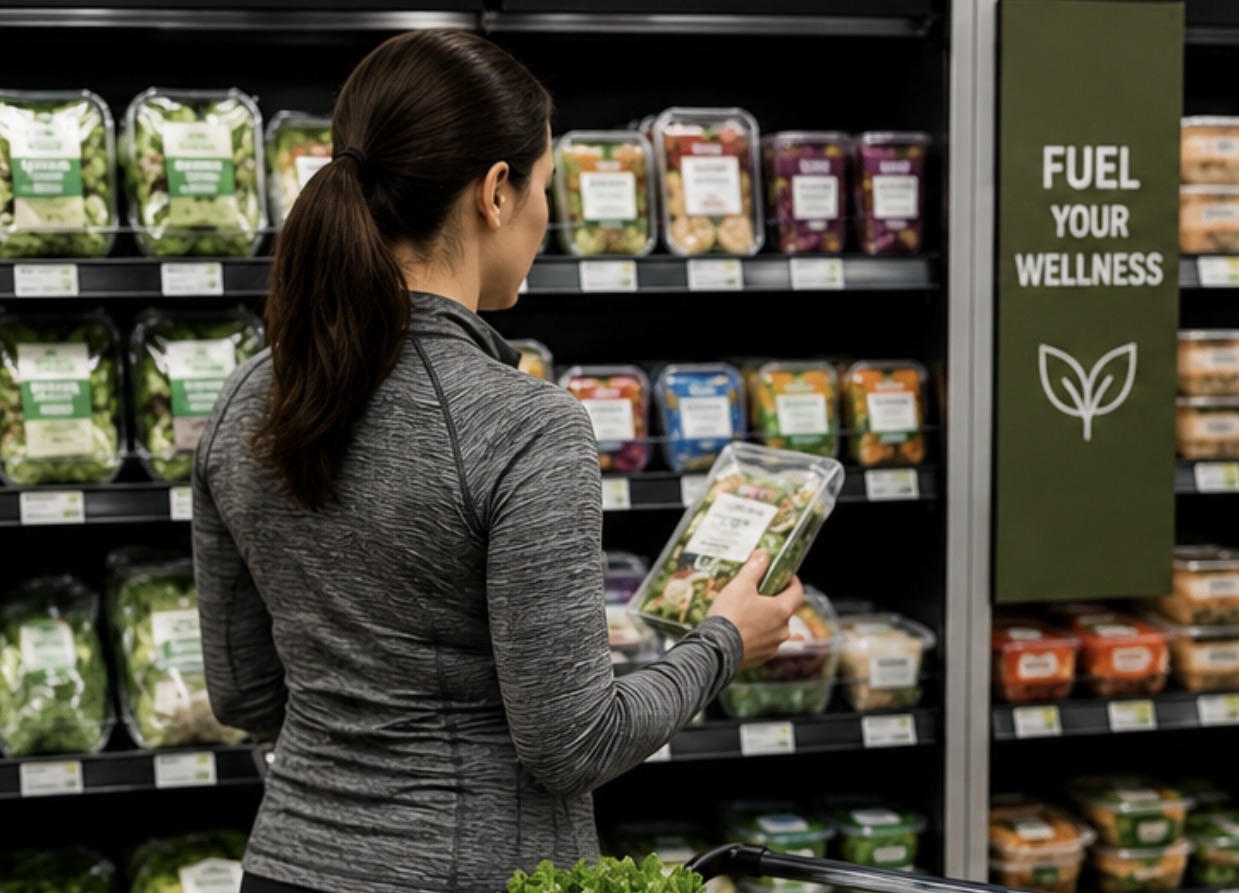
For grocers, the change is less about losing customers than about where those customers spend inside the store. GLP-1 users increasingly gravitate toward fresh produce, lean cuts of meat, and other healthier options, meaning shoppers often do not switch stores — they simply shift their spending toward the fresh perimeter departments. That is pushing retailers to make produce, meat, and wellness sections more prominent while expanding protein, fiber, and portion-controlled offerings.
The trend appears likely to grow rather than fade. A Circana report projects that households with GLP-1 users will account for more than one-third of food and beverage sales by 2030, up from about 23% of U.S. households today. “The rise of GLP-1 medications is a huge moment for the CPG industry,” said Sally Lyons Wyatt, Global Executive Vice President at Circana.
Analysts say the disruption is only beginning to be understood. “We’re just starting to scratch the surface on the ripple effects of this type of physiological disruption,” said Ali Furman, PwC’s U.S. Consumer Markets Leader.
The business stakes run from the factory to the checkout counter. Food manufacturers face a generation of customers who simply eat less, retailers must redesign stores around healthier appetites, and even restaurant chains are testing smaller portions and GLP-1-friendly menu options. The companies that adapt fastest — selling smaller, healthier, higher-margin products — may turn a demand shock into an opportunity. Those that continue betting on jumbo bags of chips may find that both the shelves and the shoppers have moved on.
This article is general business reporting, not medical advice. Anyone considering these medications should consult a physician.
JBizNews Desk — Retail & Consumer Goods
© JBizNews.com All Rights Reserved. Reproduction or distribution without written permission is prohibited.