
 JBizNews
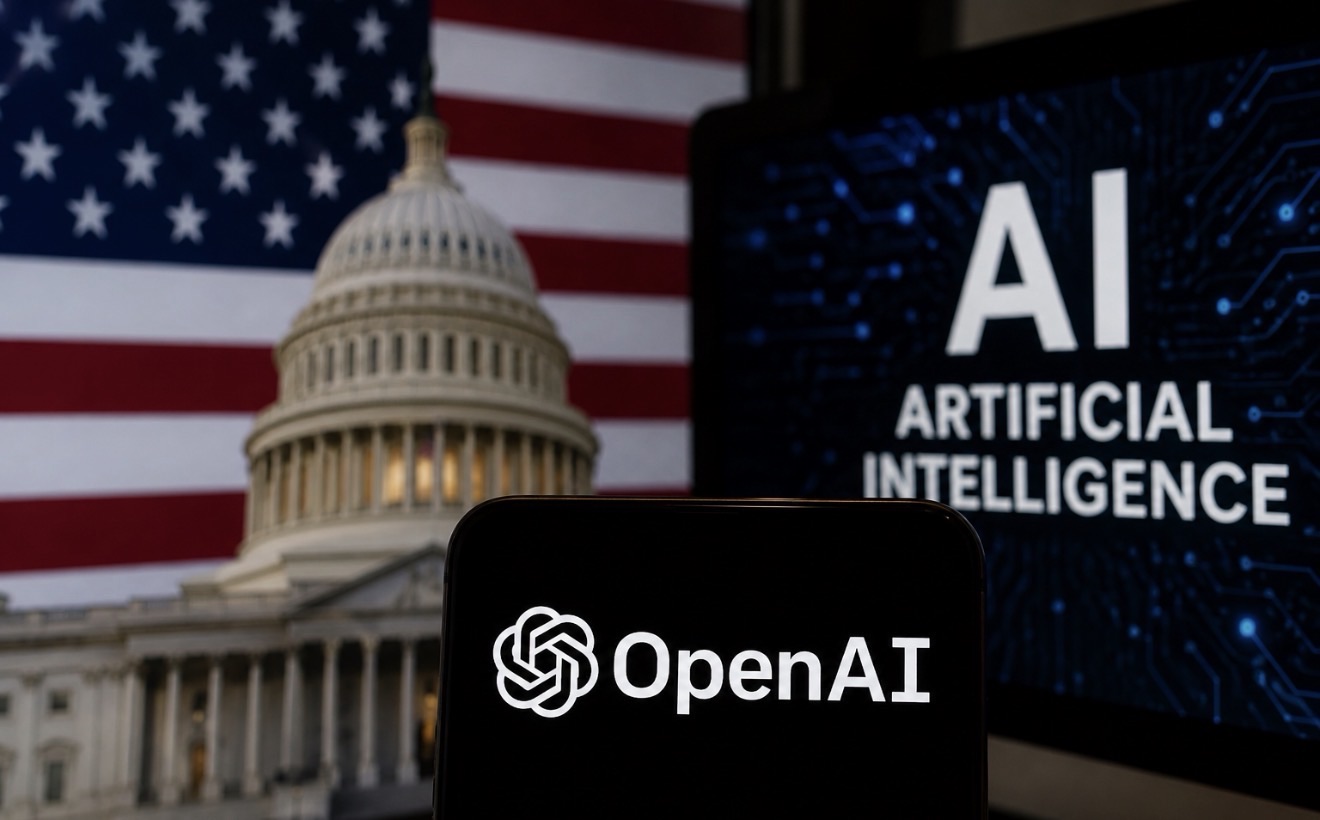
Trump Officials Quietly Weigh Taking Government Stakes in AI Companies
By JBizNews Desk
Senior officials in the Trump administration have held early-stage discussions with leading artificial-intelligence companies about the possibility of the U.S. government taking ownership stakes in them, according to reporting that surfaced Thursday, June 4.
The talks have reportedly focused on voluntary arrangements in which AI companies would provide shares to the government, with potential returns directed toward public purposes, including concepts such as direct dividend payments to American households.
The discussions remain preliminary, and no formal proposal has been announced. Neither the White House nor major AI firms involved in the reports have publicly confirmed any agreement.
Among the companies connected to the discussions is OpenAI, whose chief executive Sam Altman has reportedly raised versions of the idea with President Donald Trump on multiple occasions since early 2025.
Notably, Anthropic has not reportedly participated in the talks to date.
A Rare Point of Convergence
The emergence of the discussions comes only days after a proposal from one of Washington’s most prominent progressives.
On June 1, Sen. Bernie Sanders outlined the American A.I. Sovereign Wealth Fund Act in a New York Times opinion essay, proposing a one-time 50% tax on major AI companies, paid not in cash but in stock.
Under Sanders’ proposal, shares from companies such as OpenAI, Anthropic, and xAI would be transferred into a public investment fund. The federal government would receive voting rights, board representation, and eventually distribute investment returns to American citizens.
The administration’s reported discussions differ substantially.
Rather than mandating a transfer of ownership, the White House conversations have reportedly focused on voluntary participation by companies.
Yet both approaches reflect a similar underlying idea: that the public should directly benefit from the enormous wealth expected to be created by artificial intelligence.
A Growing Government Investment Strategy
While a government stake in AI companies may sound unusual, it would not be without precedent inside the current administration.
The federal government has already acquired significant positions in several strategically important companies.
Those investments reportedly include:
- 10% of Intel
- 15% of MP Materials
- 5% of Lithium Americas
- 10% of Trilogy Metals
Administration officials have pointed to those investments as examples of taxpayers participating directly in the upside of critical industries.
The White House has highlighted the performance of the Intel investment in particular, noting that the stock appreciated significantly after the government’s purchase.
President Trump has publicly stated that he would like taxpayers to benefit from investments tied to technologies viewed as critical to America’s future competitiveness.
The Government Is Already Expanding Into Emerging Technologies
Artificial intelligence is not the only area attracting federal investment interest.
The Department of Commerce recently announced letters of intent to invest approximately $2 billion across nine quantum-computing companies under authorities connected to the CHIPS and Science Act.
The largest proposed investment reportedly involves IBM, which could receive approximately $1 billion to support development of what officials describe as America’s first purpose-built quantum-computing foundry.
Taken together, the investments suggest a broader strategy of combining industrial policy with direct taxpayer participation in emerging technologies.
The AI Industry Has Floated Similar Ideas
Interestingly, some of the AI companies themselves have proposed versions of public participation in future AI wealth.
OpenAI has previously published policy proposals calling for the creation of public wealth funds designed to ensure that the economic benefits of advanced AI reach all citizens, including those who do not own stocks or other financial assets.
Anthropic has similarly discussed sovereign wealth fund concepts tied to artificial intelligence.
Supporters argue that AI could generate economic gains so large that broader public participation may become necessary to prevent wealth concentration.
Advocates frequently point to successful examples such as:
- Norway’s Government Pension Fund
- Alaska’s Permanent Fund Dividend
Both programs use public ownership of valuable assets to generate returns distributed broadly to citizens.
Why Investors Are Paying Attention
The discussions arrive at a particularly sensitive moment for financial markets.
Both OpenAI and Anthropic are widely expected to pursue historic public offerings.
Anthropic reportedly submitted confidential IPO paperwork to the Securities and Exchange Commission on June 1, while OpenAI is expected to pursue its own public-market plans.
Meanwhile, xAI has been combined with SpaceX through a transaction reportedly valuing the merged enterprise at approximately $1.25 trillion.
For investors, government ownership introduces complicated questions.
A government that simultaneously acts as regulator, customer, policymaker, and shareholder creates a relationship unlike anything most public companies face today.
Investors would need to evaluate potential conflicts of interest, governance questions, capital-allocation decisions, and the possibility of future public dividend programs tied to company performance.
Those issues could become increasingly important as AI companies mature and begin generating substantial profits.
The Bigger Debate
The politics surrounding the idea remain complicated.
Many conservatives criticized the government’s investment in Intel and could oppose direct ownership stakes in AI firms.
Many progressives support broader public participation in AI wealth but favor more aggressive approaches than those currently being discussed.
Yet despite sharp differences over methods, both sides increasingly appear to agree on one fundamental point:
Artificial intelligence may create such enormous economic value that the question is no longer whether Americans should share in it—but how.
JBizNews Desk — Technology & Policy
© JBizNews.com All Rights Reserved. Reproduction or distribution without written permission is prohibited.