
 Matzav
“A Chareidi Soldier Needs a Chareidi Commander”: Chashmonaim Fighter Describes Operations in Yehudah and Shomron
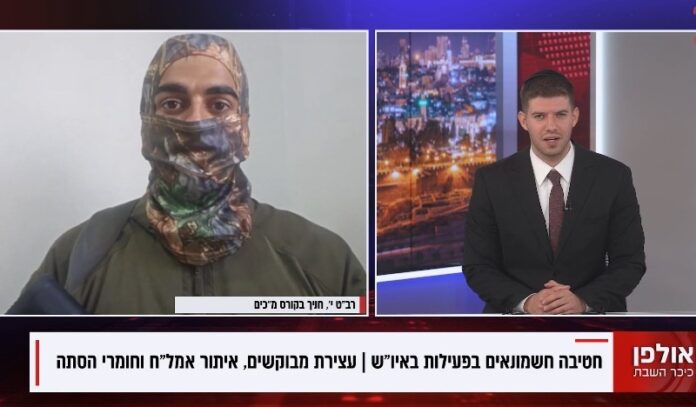
A fighter in the IDF’s Chashmonaim Brigade has provided a rare glimpse into the unit’s operational activities in Yehudah and Shomron, speaking about nighttime raids, weapons seizures, and the unique challenges of serving as a chareidi soldier. He also addressed the ongoing debate over chareidi enlistment and explained why he believes chareidi soldiers benefit from having chareidi commanders.
Corporal Y., a fighter currently enrolled in the brigade’s squad commanders course, spoke with Kikar HaShabbos about both his military training and the operational missions carried out by participants in the course.
According to the soldier, the training program incorporates active operational duty alongside classroom and field instruction.
“As part of the course, we spend two weeks engaged in operational activity. We carry out offensive and defensive missions, search for weapons, and participate in the arrest of wanted suspects,” he explained.
He noted that much of the brigade’s work takes place after dark in order to maximize the element of surprise.
“Most of the activity in Yehudah and Shomron takes place at night in order to create an element of surprise. Before every mission, we carefully plan the route, the arrival, and all stages of execution, and then we head out at night to carry it out.”
Describing the types of assignments the troops encounter, he said many operations involve intelligence-driven missions focused on locating hidden weapons and apprehending wanted individuals.
“We receive information about weapons hidden along roads or inside villages, as well as suspects wanted for questioning, and we act accordingly,” he said.
The soldier also reflected on his operational service before entering the commanders course. He said that he served with his battalion along Israel’s northern border with Lebanon, first at the Zarit outpost and later at the Magen Yoav position.
“We were stationed at outposts in the sector and carried out disruption operations against Hezbollah activity directed toward Israel, as well as searches for weapons in the area,” he said.
Asked whether the public debate surrounding chareidi enlistment reaches soldiers in the field, he acknowledged that the topic does arise but said it is not a dominant issue among his fellow servicemen.
“There is some discussion among the guys, but in the end everyone does what his rav tells him to do. I spoke with my rav and he recommended that I enlist, so I enlisted.”
The fighter said he generally avoids walking around in uniform when off base, but added that his encounters with the public have largely been positive.
“When people meet me personally, the reactions are generally positive,” he said.
One of the subjects he emphasized most strongly was the importance of developing chareidi leadership within the brigade. He explained that during his training he was initially commanded by officers from the Religious Zionist community and later by chareidi commanders.
“In the end, a chareidi soldier needs a chareidi commander. There are many small things and nuances that a chareidi commander understands because he is familiar with the world from which the soldiers come,” he said.
Looking ahead, the soldier expressed interest in continuing along the command track and eventually assuming greater leadership responsibilities.
“Right now I want to become a squad commander, and later perhaps attend officers’ training as well. I would like to command recruits from the moment they arrive in the army until they become fighters.”
Concluding the interview, he offered a brief request to the public.
“Pray for us that we succeed.”
{Matzav.com}